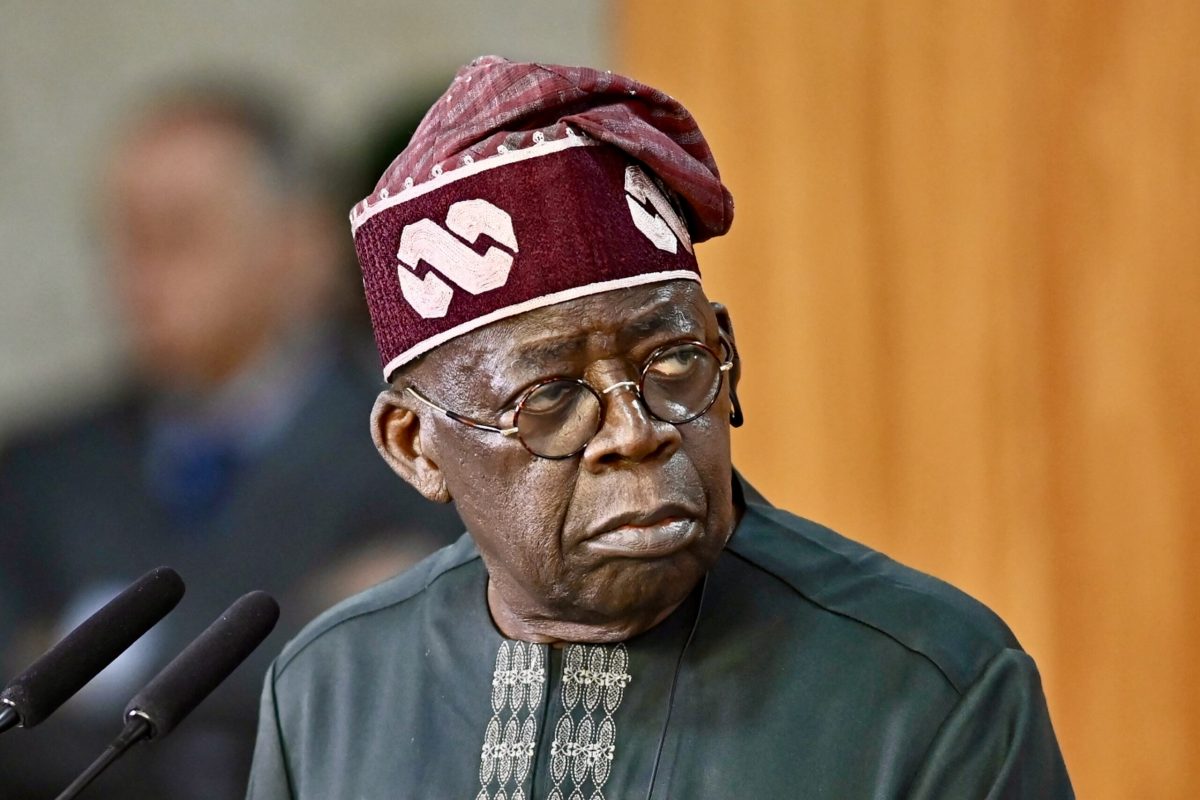
Senator Suswam warns PDP is in ICU, may collapse before 2027 unless rivals unite under Saraki’s two-week ultimatum.
Former Benue State Governor Senator Gabriel Suswam has issued a stark warning that the Peoples Democratic Party (PDP) faces an existential crisis and may collapse before the 2027 elections unless its leaders urgently address deep internal fractures.
With a bitter struggle over the national secretary post and high-profile defections—including Delta State Governor Sheriff Oborevwori and former governor Ifeanyi Okowa—the PDP resembles a patient in intensive care.
Suswam places hope in a reconciliation effort led by ex-Senate President Bukola Saraki, but gives it only a two-week window to deliver a cure.
This report interrogates the credibility of Suswam’s prognosis, examines the party’s fault lines, and explores whether the PDP can indeed be resurrected or is destined for oblivion.
The PDP’s Worsening Bloodletting
A Party Divided Over Its Own Secretarial Seat
The PDP’s National Working Committee has been paralysed by a nasty dispute over who legitimately holds the position of national secretary, pitting camps loyal to Umar Damagum against those backing Mohammed Ibrahim Biu. This post has become emblematic of deeper power-plays: control of party machinery and patronage networks. Without a clear resolution, grassroots members grow weary of endless infighting, and prospective candidates weigh whether staying loyal to a party in turmoil is worth the gamble.
Defections That Shook the Delta Stronghold
In what many analysts describe as a political watershed for Delta State, Governor Sheriff Oborevwori and ex-Governor Ifeanyi Okowa formally decamped to the All Progressives Congress earlier this year, dragging dozens of legislators and party faithful with them. Their mass exodus not only weakens the PDP’s numbers but sends a chilling signal: even its most entrenched cadres no longer feel safe in the party. For a political organisation built on coalition-building and patronage, losing two consecutive governors within months is near-fatal.
Suswam’s Dire Diagnosis
ICU Metaphor: Panic or Precision?
Speaking on Arise TV’s The Morning Show, Suswam did not mince words: “Is the PDP in the hospital? Yes. Is it in the ICU to some extent? Yes, it is. Can it be rescued? Yes, if the proper medicine is applied.” His use of a medical analogy is designed to shock—and to mobilise. By narrowing the “recovery window” to two weeks, he injects urgency, forcing Saraki’s reconciliation committee off its heels. But does this diagnosis hold up?
Is Collapse Truly Imminent?
Suswam claims many party members have “lost hope” and are “waiting to see the ultimate end of this party.” Yet, the PDP still controls key states and retains federal representation. Critics argue that Suswam’s prognosis is alarmist, aimed at pressuring rivals into concessions. Nevertheless, when a former governor publicly questions his own party’s survival, it underscores a crisis far deeper than routine factional skirmishing.
Can Saraki’s “Cure” Succeed?
Composition and Credibility of the Reconciliation Team
Bukola Saraki has assembled a committee of sitting and former governors, senators, and national officers—ostensibly to pacify warring camps and restore confidence. Saraki’s own reputation as a deal-maker is under scrutiny: his past efforts at rapprochement have yielded mixed results, and some camps view him as too close to certain power blocs. Will his influence be sufficient to broker a truly inclusive arrangement, or will one faction simply prevail at the expense of the other?
The Two-Week Gauntlet
By setting a fortnight as the timeframe for “seeing whether there is light at the end of the tunnel,” Suswam is daring Saraki to deliver quick, tangible results. This creates a high-stakes ultimatum: a successful truce could stabilise the party; failure will almost certainly accelerate further defections and deepen disillusionment among the rank-and-file. In Nigerian politics, however, two weeks is an eternity—and deals often unravel once the media glare subsides.
Implications for 2027 and Beyond
Electoral Viability on Shaky Ground
If the PDP cannot present a united front by mid-2025, it risks ceding ground to the All Progressives Congress and emergent third-force movements. A fractured PDP will struggle to finance campaigns, mobilise voters, or even agree on candidate selection. With the 2027 presidential primaries just over two years away, time is a luxury the party no longer has.
A Party in Search of Its Soul
Beyond procedural fixes, the PDP must grapple with existential questions: Does it represent a coherent ideology or merely a convenience for political actors hungry for office? Without a clear narrative and renewed commitment to its founding “people’s” ethos, even a successful patch-up could amount to little more than a temporary bandage on a dying patient.
Conclusion: Miracle or Morse Code?
Senator Suswam’s ICU warning is as much a rallying cry as it is a threat. By publicly declaring that the PDP’s life hangs in the balance, he forces all stakeholders to choose: apply the “proper medicine” now or prepare to write the party’s obituary. Whether Saraki’s reconciliation efforts can conjure a miracle remains uncertain, but one thing is clear—unless swift, substantive action is taken, 2027 may arrive to the sound of the PDP’s death knell.