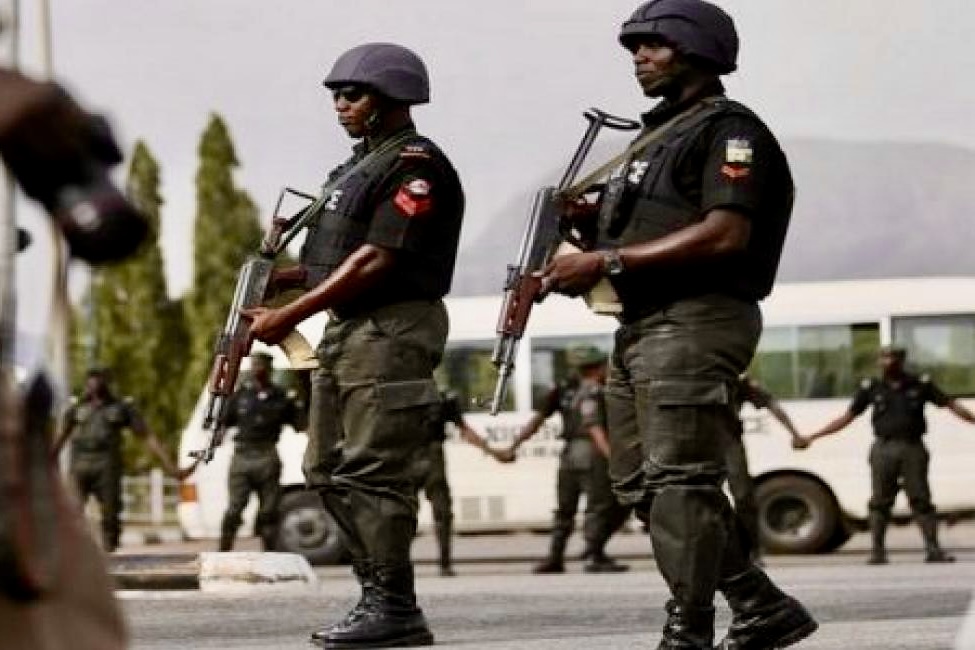
In a concise but consequential display of military unity, the Chief of Army Staff Lieutenant General Waidi Shaibu joined the Chief of Defence Staff General Olufemi Oluyede and other service chiefs on 10 November 2025 for a high level briefing with the Minister of State for Defence Bello Matawalle in Abuja.
The visit was publicised on the Nigerian Army’s official X account. It stressed cohesion in the armed forces leadership. There was also a shared resolve to strengthen national security.
According to the official statement, discussions centred on intensifying inter-service collaboration. They focused on improving intelligence sharing. The talks also involved adopting new operational strategies to tackle evolving threats.
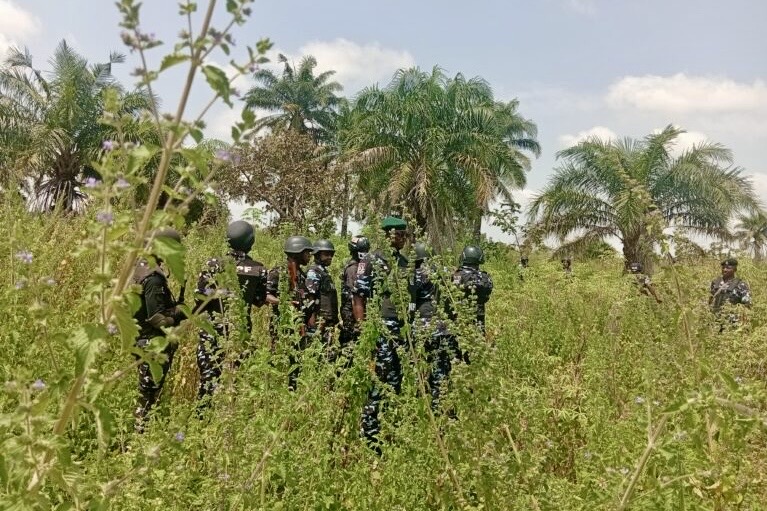
Senior commanders briefed the minister on active operations across the North East. They also covered other trouble spots. They signalled a push for greater operational efficiency and intelligence integration.
Local reporting indicates a shift in leadership priorities. The new leadership is focusing on intelligence-driven operations. They are also emphasizing troop welfare as part of this recalibration.
The meeting comes against a grim security backdrop. Nigeria continues to face a long running jihadist insurgency in the North East. Since 2009, it has killed tens of thousands and displaced millions. Additionally, there is a separate crisis of banditry, kidnapping, and communal violence in the North West and Middle Belt. This crisis has swollen internal displacement figures into the millions.
UNHCR and IOM data place the number of internally displaced persons in the country at multiple millions. This underscores the scale of the humanitarian and security challenge the chiefs face.
Complicating the strategic environment is increased international scrutiny. Recent remarks by US President Donald Trump suggesting possible deployment of American forces or air strikes if alleged targeted killings of Christians do not stop have heightened diplomatic tensions and placed additional public pressure on Nigerian security institutions to demonstrate results.
Nigerian authorities have publicly rejected the depiction of the conflict as unidimensional religious persecution. They stress the multi-faceted nature of violence in the country.
For practitioners and policymakers the meeting is a necessary but not sufficient step. Deeper parliamentary oversight will be required. Transparent public briefings on metrics of success are needed. Urgent investment in intelligence fusion centres and logistics is necessary. These steps are essential if the pledges made in Abuja are to translate into sustained security gains.
The service chiefs’ united front provides a platform. Turning it into measurable declines in attacks will define their legacy. It also involves returns for displaced families and restored state presence in contested areas.