By Editor
Introduction
In October 2020, Nigeria witnessed an unprecedented wave of protests against police brutality, known as the EndSARS movement. The protests, initially aimed at disbanding the notorious Special Anti-Robbery Squad (SARS), rapidly transformed into a broader call for systemic change, challenging the very foundations of Nigeria’s governance. The brutal crackdown on peaceful protesters at the Lekki Tollgate on October 20, 2020, marked a significant turning point, revealing deep-seated issues within the Nigerian political system. This article delves into the aftermath of the EndSARS protests, the Lekki Tollgate massacre, and the urgent need to defend democracy in Nigeria.

The Rise of the EndSARS Movement
The EndSARS protests were driven by young Nigerians’ frustrations with systemic abuse and corruption within the police force. Leveraging the power of social media, activists mobilized millions across the country and garnered international support. The hashtag #EndSARS became synonymous with resistance and the demand for justice. As the protests grew, they highlighted broader issues such as governance, economic inequality, and human rights abuses, resonating with a population disillusioned by decades of misrule.
Government’s Response: A Strategy of Repression
The Nigerian government’s response to the EndSARS protests was characterized by a series of repressive measures aimed at stifling dissent and maintaining control.
1. Denial and Deflection
Initially, President Muhammadu Buhari’s administration adopted a strategy of denial, ignoring the protesters’ demands and refusing to acknowledge their grievances. This tactic of deflection only fueled the protesters’ resolve, as it became evident that the government was indifferent to their plight.
2. Deployment of Armed Thugs
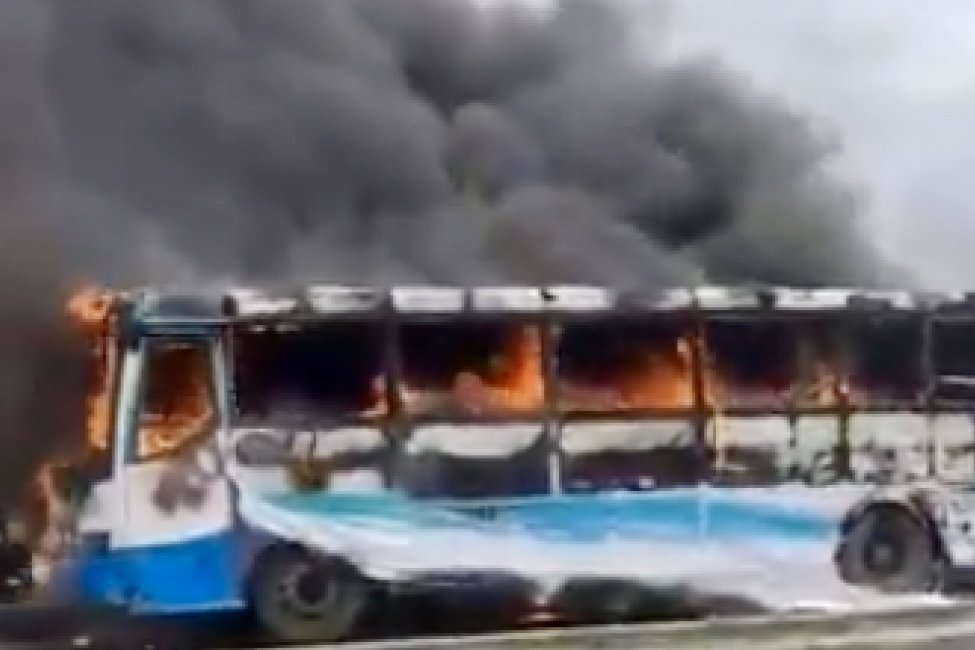
As the protests persisted, the government escalated its response by deploying armed thugs to infiltrate and disrupt the demonstrations. These agents, allegedly sponsored by the state, committed acts of violence, including looting and arson, to create a narrative that the protests had turned violent. This tactic aimed to justify a harsher crackdown under the guise of restoring law and order.
3. Military Intervention
The most brutal phase of the government’s response came on the night of October 20, 2020, when soldiers were deployed to the Lekki Tollgate in Lagos. In a shocking display of state violence, the military opened fire on peaceful protesters who were singing the national anthem and waving the Nigerian flag. The Lekki Tollgate massacre resulted in numerous deaths and injuries, marking a dark chapter in Nigeria’s history and revealing the lengths to which the government would go to silence dissent.
The Lekki Tollgate Massacre: A National Tragedy
The Lekki Tollgate massacre was a stark reminder of the fragility of democracy in Nigeria. The use of live ammunition on unarmed civilians was a blatant violation of their constitutional rights to peaceful assembly and free speech. Despite attempts by the government to downplay and deny the events, eyewitness accounts and various reports confirmed the brutal crackdown, leading to widespread condemnation both domestically and internationally.
The Emergence of a New Political Movement
The EndSARS protests and the Lekki Tollgate massacre galvanized a new generation of politically conscious Nigerians. The movement transcended the initial call to end police brutality, addressing broader issues such as governance, accountability, and human rights. Young Nigerians, once apathetic towards politics, became more engaged, recognizing the power of collective action and the importance of holding leaders accountable.
The Imperative of Sovereignty Recovery: Insights from Tony Nnadi
Tony Nnadi of the Nigerian Indigenous Nationalities Alliance for Self-Determination (NINAS) provides a critical perspective on the systemic issues plaguing Nigeria. Nnadi argues that the root cause of Nigeria’s challenges lies in the country’s colonial legacy and the imposition of a unitary constitutional arrangement that undermines the sovereignty of its indigenous peoples.
Colonial Legacies and Internal Colonization
Nnadi highlights the contrast between the colonial experiences of Francophone West African countries and Nigeria. While the former were subjected to the assimilation policy of France, Nigeria endured a more complex form of colonization under British rule. The British established a resident hegemon, the Fulani, in a joint venture that excluded the indigenous peoples of Nigeria. This arrangement entrenched a local agency of British interests, disguised as a democratic government, but in reality, perpetuating a system of internal colonization.
The Imposed Unitary Constitution
The unitary constitution imposed on Nigeria at independence has been a significant source of instability and conflict. Nnadi argues that this constitution, falsely credited to “We the Peoples of Nigeria,” has created an artificial entity lacking internal cohesion and genuine allegiance from its citizens. The constitution’s unitary nature has concentrated power in the hands of a few, leading to widespread disenfranchisement and marginalization of various ethnic groups.
The Path to Sovereignty Recovery
Nnadi emphasizes the urgent need for Nigeria’s indigenous peoples to recover their sovereignty by toppling the fraudulently imposed unitary constitutional order. He advocates for a joint jailbreak from this union of death, attrition, and backwardness, and the restoration of sovereignty to the indigenous nationalities to rework their political existence or coexistence through self-determination.
Defending Democracy: A Call to Action
The lessons from the EndSARS movement and the insights from Tony Nnadi underscore the imperative of defending democracy in Nigeria. Here are key steps that must be taken to ensure the survival and flourishing of democratic governance in the country:
1. Upholding Civil Liberties
The rights to free speech, peaceful assembly, and association are enshrined in the Nigerian Constitution. These rights must be defended against any attempts by the state to suppress them. Citizens must remain vigilant and resist efforts to erode these fundamental liberties.
2. Ensuring Accountability
The Lekki Tollgate massacre and other instances of state violence must not go unpunished. There must be accountability for those responsible, from the soldiers who carried out the shootings to the political leaders who ordered the crackdown. Transparent investigations and judicial processes are essential to restore public trust and prevent future abuses.
3. Promoting Political Engagement
The EndSARS movement has shown the power of civic engagement. Young Nigerians must continue to participate actively in the political process, from voting in elections to holding their representatives accountable. Political apathy only serves to empower those who seek to undermine democracy.
4. Fostering Inclusive Governance
The government must address the root causes of the EndSARS protests by implementing comprehensive reforms in the security sector and addressing broader socio-economic issues. Inclusive governance, which involves engaging with all segments of society and addressing their concerns, is vital for sustainable peace and development.
5. Leveraging International Support
The international community has a role to play in supporting Nigeria’s democracy. Diplomatic pressure, economic sanctions, and international advocacy can help hold the Nigerian government accountable for human rights abuses. Global solidarity with the Nigerian people can amplify their voices and support their fight for justice and democracy.
Conclusion: The Imperative of Defending Democracy
The EndSARS protests and the Lekki Tollgate massacre serve as poignant reminders of the importance of defending democracy. The Buhari administration’s repressive tactics have highlighted the vulnerabilities within Nigeria’s democratic framework. However, the resilience and determination of the Nigerian people offer hope for a brighter future.
As we remember the sacrifices made by those who stood up against injustice, we must renew our commitment to defending democracy. This involves not only resisting authoritarianism but also actively participating in the democratic process and advocating for meaningful reforms. Democracy is too precious to be allowed to be abridged or swept away by a blood-thirsty and incompetent regime. It is a collective responsibility to ensure that the voices of the people are heard and that their rights are protected.
The legacy of the EndSARS movement and the Lekki Tollgate massacre must be a call to action for all Nigerians. The fight for justice, accountability, and democratic governance is ongoing. By standing together and demanding change, the Nigerian people can ensure that the sacrifices of the past are not in vain and that a more just and democratic society is built for future generations
.In framing that demand for change, perhaps the time has come for Nigerians to look deeper at the causative factors behind the unsavoury outcomes we have had for decades on-end, and to therefore question the Unitary Constitutional Arrangements of Nigeria which define the pernicious Political Environment Nigeria and its brand of Democracy have become for the Peoples of Nigeria.
The further lesson of EndSARS, especially in the aftermath of the controversial outcome of 2023 Presidential Elections which was significantly shaped by increased Political Consciousness and Mobilization amongst the EndSARS Generation, IS that the Change that will lift Nigeria out of its current morass will require something more fundamental than another round of Election Rituals to enact.
It is in this regard that the EndSARS Generation and indeed the rest of Nigeria should ask themselves whether the time has not come to take a closer look at the NINAS Union Reconfiguration Propositions that offers Nigeria a Framework for the immediate undertaking of the inevitable Constitutional Re-engineering of the Nigerian Union.
Stay informed with the Atlantic Post for more in-depth analysis and commentary on the socio-political issues shaping Nigeria and the world.