Dele Farotimi, spokesman for Labour Party’s 2023 presidential campaign of Peter Obi, is arrested on defamation charges. Explore the shocking implications for Nigeria’s democracy, opposition politics, and civil rights in this in-depth report.
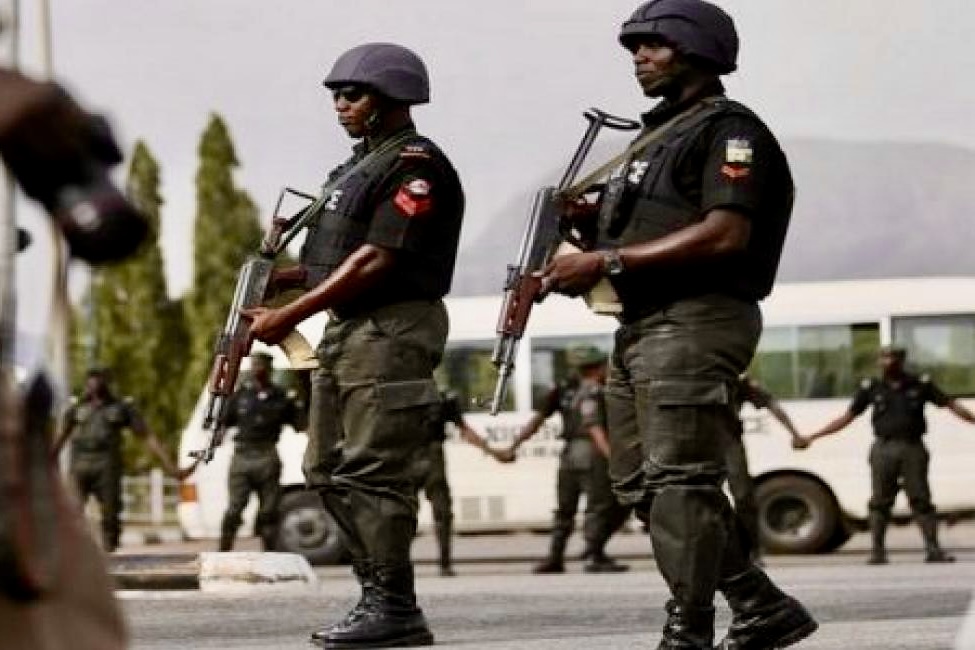
LAGOS, Nigeria — The political landscape in Nigeria is once again engulfed in controversy, as news of the arrest of Dele Farotimi, the outspoken spokesman for Labour Party’s 2023 presidential candidate, Peter Obi, reverberates across the country. Farotimi, a prominent human rights attorney and fierce critic of Nigeria’s ruling elite, was reportedly apprehended by operatives of the Nigerian Police Force over allegations of defamation, cyberstalking, and other unspecified charges.
The arrest was first brought to public attention by Omoyele Sowore, the 2023 presidential candidate of the African Action Congress (AAC), who took to his X (formerly Twitter) handle to denounce the development. In a strongly worded post, Sowore lambasted the police, accusing them of acting as pawns in a broader scheme to silence dissent and intimidate political opposition.
“It is pertinent that the Nigerian police are notified that the institution cannot continue to be used to settle personal scores, and we, the citizens of Nigeria, would no longer tolerate such a situation,” Sowore wrote, calling for Farotimi’s immediate release.
From Lagos to Ekiti: A Political Witch-Hunt?
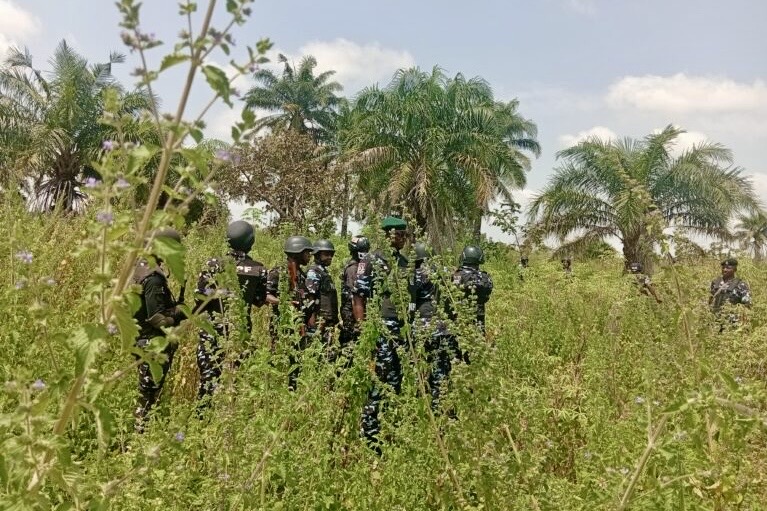
Initial reports indicate that Farotimi was arrested in Lagos and subsequently transferred to the Ekiti State Police Command, where the case against him allegedly originated. The decision to move him across state lines has raised eyebrows, with critics suggesting that the move was orchestrated to amplify his discomfort and complicate his legal defense.
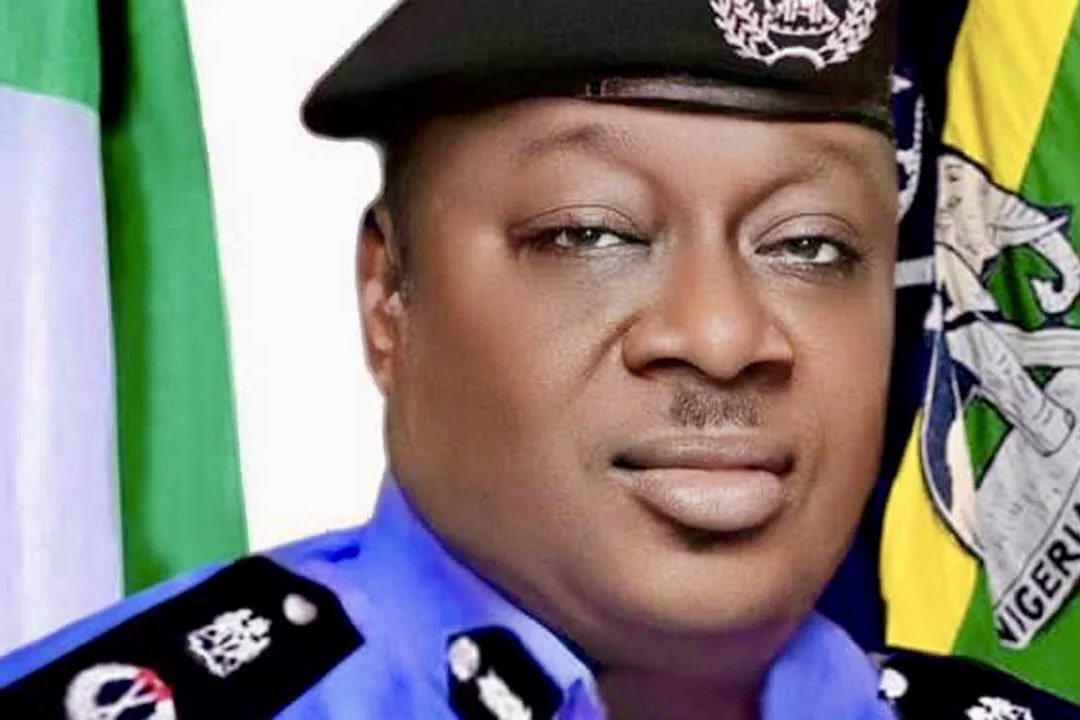
In an interview with PUNCH Online, the Ekiti State Commissioner of Police, Mr. Adeniran Akinwale, confirmed the arrest and outlined the charges against Farotimi.
“The offences committed included defamation of character, cyberstalking, and other things. But those two are fully established. That was why we have been looking for him before we were able to arrest him,” Akinwale stated.
“We are investigating him. If the suspect is arrested, we will bring him for investigation. We will conduct our investigation and will be able to know his level of culpability or otherwise.”
However, the Commissioner’s statements have done little to assuage the concerns of Nigerians who see the arrest as part of a broader trend of using law enforcement agencies to muzzle opposition voices and activists. For many, the arrest is reminiscent of the dark days of Nigeria’s military rule, when dissidents were routinely rounded up, detained, and silenced.
A Pattern of Intimidation
Dele Farotimi is no stranger to controversy. As a vocal advocate for human rights and democratic governance, he has consistently used his platform to expose corruption, criticise government policies, and champion the cause of marginalised Nigerians. His association with Peter Obi’s presidential campaign further elevated his profile, making him a target for those who view his activism as a threat to the status quo.
Farotimi’s arrest is the latest in a series of incidents where political activists and opposition figures have been harassed, arrested, or detained under questionable circumstances. In recent years, Nigeria has witnessed a disturbing escalation in the use of state apparatus to stifle dissent, a trend that has drawn condemnation from international human rights organisations and democracy advocates.
Omoyele Sowore, who himself has been a victim of state-sponsored harassment and detention, wasted no time in drawing parallels between Farotimi’s arrest and his own experiences with the Nigerian police and Department of State Services (DSS). Sowore’s call for Farotimi’s release underscores the growing frustration among activists and opposition figures who believe that Nigeria’s democratic institutions are being systematically undermined by those in power.
Legal Charges or Political Vendetta?
The charges beveled against Farotimi—defamation and cyberstalking—are particularly noteworthy in the context of Nigeria’s political climate. Defamation, a civil offence in many democratic countries, has often been weaponised in Nigeria as a criminal charge to intimidate journalists, activists, and political opponents. Cyberstalking, on the other hand, is a relatively new addition to Nigeria’s legal arsenal, made possible by the 2015 Cybercrimes Act, which has been criticised for its vague definitions and potential for abuse.
Legal experts have questioned the basis of the charges, arguing that they may be politically motivated rather than rooted in genuine legal concerns. According to constitutional lawyer Festus Ogun, the arrest of Farotimi represents a dangerous precedent for free speech and civil liberties in Nigeria.
“Defamation should be a civil matter, not a criminal offence. By criminalising defamation, the Nigerian state is effectively stifling free expression and dissenting voices. This is a clear violation of constitutional rights and democratic norms,” Ogun remarked.
The decision to arrest Farotimi for cyberstalking also raises questions about the Nigerian government’s commitment to protecting digital rights and free expression online. Human rights groups have long warned that the Cybercrimes Act could be used to target activists and journalists who criticise the government or expose corruption.
A Test for Nigeria’s Judiciary
Farotimi’s arrest places Nigeria’s judiciary under the spotlight, as the nation awaits to see whether the courts will uphold the rule of law or succumb to political pressure. In recent years, the judiciary has faced accusations of partiality and corruption, with critics alleging that judges often act at the behest of powerful political figures and interests.
The handling of Farotimi’s case will serve as a litmus test for the judiciary’s independence and its willingness to protect the rights of citizens against state overreach. Legal analysts have warned that a failure to uphold justice in this case could further erode public confidence in the judiciary and exacerbate Nigeria’s democratic backsliding.
In the meantime, civil society organisations, opposition parties, and human rights advocates are mobilising to demand Farotimi’s release and an end to the harassment of political dissidents. Protests are being planned in Lagos, Abuja, and other major cities, as Nigerians take to the streets to express their outrage over what they perceive as a blatant abuse of power.
The Bigger Picture
The arrest of Dele Farotimi is more than just a legal matter; it is a reflection of the deepening political crisis in Nigeria. As the country grapples with economic challenges, insecurity, and widespread corruption, the ruling elite appears increasingly determined to silence critics and consolidate power. This latest incident underscores the urgent need for systemic reforms to safeguard Nigeria’s democracy and protect the rights of its citizens.

Peter Obi’s Labour Party Under Siege: The Arrest of Dele Farotimi and Its Political Ramifications
The arrest of Dele Farotimi, spokesman for Peter Obi’s 2023 presidential campaign, has sent shockwaves through Nigeria’s political landscape, casting a long shadow over the Labour Party (LP) and raising concerns about the integrity of the country’s democratic processes. While the Nigerian Police Force insists that Farotimi’s detention stems from legal allegations of defamation and cyberstalking, many political analysts and civil society actors argue that the incident is part of a calculated effort to undermine the Labour Party and its growing influence as a formidable opposition force.
A Calculated Assault on Opposition Politics?
Since emerging as a surprising contender in the 2023 presidential election, Peter Obi and the Labour Party have faced relentless attacks from both state and non-state actors. The former Anambra State governor, who ran on a platform of economic reform, anti-corruption, and youth empowerment, galvanised a new political movement that challenged Nigeria’s traditional political establishment. His message resonated deeply with millions of Nigerians disillusioned by the corruption, mismanagement, and elitism of the ruling All Progressives Congress (APC) and the main opposition People’s Democratic Party (PDP).
Despite finishing third in the contentious 2023 presidential race, Obi’s campaign redefined Nigeria’s political dynamics, proving that a third force could disrupt the entrenched two-party system. However, this newfound relevance has come at a steep price. The Labour Party and its key figures, including Dele Farotimi, have become targets of sustained political and legal assaults aimed at discrediting and destabilising the movement.
Farotimi’s arrest, therefore, is not an isolated incident but part of a broader strategy to neutralise the Labour Party by attacking its most vocal advocates. Political observers argue that the ruling elite, threatened by the party’s growing influence and its ability to mobilise young, educated voters, is resorting to intimidation tactics reminiscent of Nigeria’s authoritarian past.
“This is a clear case of political persecution. The ruling class is uncomfortable with the rise of a credible opposition, and they are using state institutions to stifle dissent,” said Dr. Adebayo Adigun, a university political science lecturer in Lagos.
“The arrest of Dele Farotimi is designed to send a chilling message to others within the Labour Party and civil society: fall in line or face the consequences.”
The Labour Party’s Response: A Call for Justice
In the wake of Farotimi’s arrest, the Labour Party has issued a strong condemnation, accusing the Nigerian government of weaponising law enforcement agencies to suppress opposition voices. Julius Abure, the National Chairman of the Labour Party, described the arrest as a “travesty of justice” and a “direct attack on democracy.” In a press statement, Abure called for Farotimi’s immediate and unconditional release, warning that the continued harassment of opposition figures could plunge the country into a constitutional crisis.
“The arrest of Barrister Dele Farotimi is an affront to the democratic rights of all Nigerians. It is a clear attempt to silence dissent and intimidate those who dare to challenge the status quo. We will not be cowed. The Labour Party stands firmly with Farotimi, and we will pursue all legal and political avenues to ensure his release,” Abure declared.
The Labour Party’s legal team has reportedly filed a petition demanding an independent investigation into the circumstances surrounding Farotimi’s arrest. Party officials are also reaching out to international human rights organisations and foreign embassies to draw attention to what they describe as Nigeria’s deteriorating human rights situation.
Peter Obi Speaks Out: A Personal and Political Crisis
Peter Obi, known for his measured and diplomatic approach to politics, has broken his silence on the matter, expressing deep concern over Farotimi’s arrest. In a rare emotional statement, Obi described Farotimi as a “man of integrity” who has dedicated his life to the pursuit of justice and the defence of Nigeria’s most vulnerable citizens.
“Dele Farotimi is not just a colleague; he is a brother in the struggle for a better Nigeria. His arrest is a stark reminder of the challenges we face in our quest to build a nation where the rule of law prevails. I call on the Nigerian authorities to release him immediately and allow justice to take its course,” Obi said in his first comment since the arrest.
Obi’s intervention underscores the personal nature of this crisis for the Labour Party. Farotimi has been one of Obi’s closest allies and most trusted advisers, playing a critical role in shaping the party’s messaging and outreach strategy during the 2023 campaign. His arrest, therefore, represents a significant setback for Obi, who is already grappling with ongoing legal challenges related to the presidential election.
Civil Society Mobilises: A Growing Movement for Accountability
Farotimi’s arrest has sparked outrage beyond the confines of the Labour Party, galvanising a broad coalition of civil society organisations, human rights activists, and legal practitioners who view the incident as part of a broader assault on civil liberties in Nigeria. The Human Rights Writers Association of Nigeria (HURIWA), Amnesty International Nigeria, and other advocacy groups have issued statements condemning the arrest and calling for Farotimi’s release.
Some human rights attorney have described the arrest as a “blatant misuse of power” and called on the National Assembly to investigate the increasing politicisation of law enforcement agencies.
“Nigeria is at a crossroads. We cannot afford to allow our democracy to be eroded by those who seek to use state institutions as instruments of repression. The National Assembly must intervene to ensure that the rule of law is upheld and that no citizen is subjected to arbitrary arrest or detention,” they stated.
Protests demanding Farotimi’s release are expected to erupted in major cities, including Lagos, Abuja, and Port Harcourt. Typically, placards carried by demonstrators would display messages such as “Free Dele Farotimi Now” and “Stop the Political Persecution” during their staged sit-ins outside police headquarters and government buildings, calling for accountability and transparency.
The Role of Social Media: A Digital Battle for Justice
As news of Farotimi’s arrest spread, social media platforms have become a battleground for narratives and counter-narratives. Hashtags such as #FreeDeleFarotimi and #EndPoliticalPersecution have trended on X (formerly Twitter), with users sharing videos, statements, and legal analyses that challenge the official narrative put forth by the Nigerian Police Force.
Omoyele Sowore, who first broke the news of the arrest, has continued to use his platform to amplify calls for Farotimi’s release, drawing attention to the broader implications for press freedom and human rights in Nigeria. Sowore’s followers have organised digital campaigns aimed at pressuring the Nigerian government and mobilising international support.
Dele Farotimi’s Arrest: Legal Battles, International Scrutiny, and the Future of Nigeria’s Democracy
The arrest and detention of Dele Farotimi, Labour Party’s 2023 presidential campaign spokesman and a prominent human rights attorney, have evolved into a high-stakes legal and political drama that could redefine Nigeria’s democratic trajectory. As Farotimi remains in police custody, questions linger about the legitimacy of the charges against him and the broader implications for civil liberties, rule of law, and political dissent in Africa’s most populous democracy.
With civil society mobilised, opposition leaders emboldened, and international actors beginning to weigh in, the unfolding saga is shaping up to be a pivotal moment for Nigeria’s fragile democracy.
Legal Experts Dissect the Case: Defamation or Political Persecution?
The Nigerian Police Force, led by the Ekiti State Commissioner of Police, Mr. Adeniran Akinwale, has maintained that Farotimi’s arrest is strictly a legal matter. According to Akinwale, the charges of defamation of character and cyberstalking are based on “concrete evidence” and were meticulously investigated before Farotimi was apprehended.
“This is not a witch-hunt. The evidence against Barrister Dele Farotimi is substantial, and due process will be followed. The law is clear on issues of defamation and cybercrime,” Akinwale said in a press briefing.
However, many legal experts remain unconvinced, arguing that the charges are vague, politically motivated, and unlikely to hold up under judicial scrutiny. Prominent human rights lawyer Femi Falana (SAN) had criticised the police’s handling of the defamation and cyberstalking cases in the past, describing it as a “misuse of legal procedures to achieve political ends.”
“Defamation and cyberstalking are serious allegations, but they must be proven beyond reasonable doubt in a court of law, not through arbitrary arrests and detention. The Nigerian Police Force is treading a dangerous path by allowing itself to be used as a tool for political repression,” Falana remarked during an interview with Channels Television.
“This practice of criminalising defamation is a litmus test for the independence of Nigeria’s judiciary and the resilience of our democratic institutions.”
Farotimi’s legal team are expected to file a suit challenging the legality of his detention. Already, they have described the charges as “baseless” and “a thinly veiled attempt to silence a vocal critic of the government.” The team will be demanding Farotimi’s immediate release on bail, and pursue the matter up to the Supreme Court if necessary.
Implications for Nigeria’s 2027 Elections
The arrest of Dele Farotimi comes at a critical juncture in Nigeria’s political calendar, with the 2027 general elections looming on the horizon. Political analysts warn that the incident could have far-reaching consequences for the country’s electoral landscape, particularly for the Labour Party and its leader, Peter Obi.
Since the controversial 2023 elections, Obi has been positioning himself as a credible alternative to the ruling APC and the PDP, both of which have dominated Nigerian politics for decades. The Labour Party’s success in attracting young, urban voters has made it a significant threat to the political establishment. However, the arrest of a key figure like Farotimi could weaken the party’s momentum and deter potential candidates and supporters from aligning with the opposition.
“The arrest of Dele Farotimi is a strategic move to destabilise the Labour Party ahead of the 2027 elections. By targeting its most vocal and influential members, the ruling elite aims to create a climate of fear and uncertainty that could undermine the party’s ability to organise and mobilise,” said Professor Ifeoma Okafor, a political analyst.
“This is not just about Farotimi. It’s about sending a message to anyone who dares to challenge the status quo.”
The Rise of Digital Activism: Fighting Back in the Information Age
In the face of state repression, digital platforms have emerged as powerful tools for mobilisation, advocacy, and resistance. The arrest of Farotimi has sparked a surge of online activism, with millions of Nigerians using social media to demand his release and draw attention to the broader issues of political persecution and human rights violations.
Influential figures in the tech and entertainment sectors have joined the campaign, amplifying calls for justice and leveraging their platforms to reach a global audience. Notable Nigerian celebrities have posted messages of solidarity with Farotimi, urging their followers to remain vigilant and engaged.
“We cannot allow this to continue. If we don’t speak out now, it could be any one of us tomorrow. #FreeDeleFarotimi,” a prominent celebrity tweeted to his millions of followers.
Online petitions demanding Farotimi’s release have garnered tens of thousands of signatures, while crowdfunding campaigns have been launched to support his legal defense and provide assistance to his family.
A Test for Nigeria’s Democracy
As the saga unfolds, the arrest of Dele Farotimi is increasingly being viewed as a test case for the health of Nigeria’s democracy. Will the judiciary uphold the rule of law and protect the rights of citizens, or will it succumb to political pressure? Will civil society and the international community succeed in holding the government accountable, or will the forces of repression prevail?
For now, the fate of Farotimi—and by extension, the future of opposition politics in Nigeria—hangs in the balance. As the world watches, the actions of Nigeria’s leaders in the coming days and weeks will determine whether the country continues on its democratic path or slides further into authoritarianism.
In the words of Omoyele Sowore:
“This is a battle for the soul of Nigeria. We cannot afford to lose.”
The Atlantic Post will continue to monitor and report on this developing story, providing in-depth analysis and updates as they become available.
Additional report by Osaigbovo Okungbowa, Atlantic Post Senior Political Correspondent