The Battle for Credibility: NNPC Ltd. Defends the Port Harcourt Refinery Amidst Allegations of Deception

In an exclusive statement released on November 26, 2024, the Nigerian National Petroleum Company Limited (NNPCL) has taken a firm stand in defense of the progress made at the Port Harcourt Refinery. The company directly addressed what it described as “unfounded claims” surrounding the refinery’s operational capacity and output, reaffirming its commitment to national energy security.
The NNPC Ltd. Statement: A Moment of Triumph or Continued Deception?
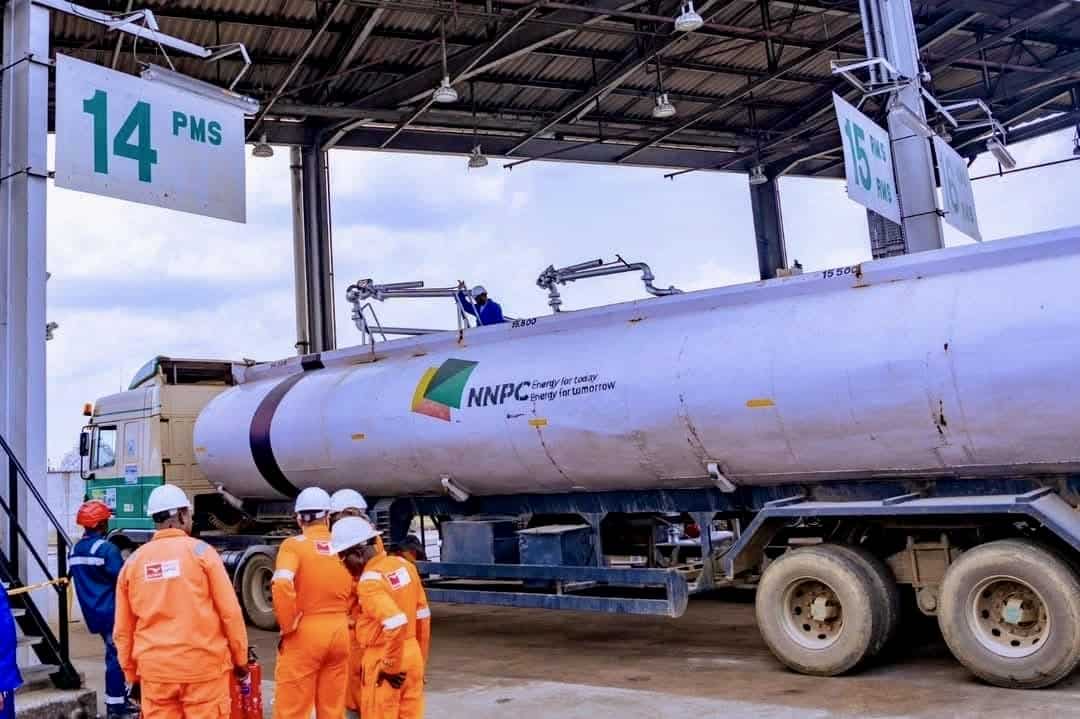
For the Nigerian National Petroleum Company Limited (NNPCL), the restart of the Port Harcourt Refinery marks a significant milestone in the country’s journey towards energy independence. According to the statement issued by the company’s Chief Corporate Communications Officer, Olufemi Soneye, the 60,000 barrels-per-day (bpd) Old Port Harcourt Refinery is currently operating at 70% of its installed capacity, with ambitions to ramp up this figure to 90%. In a bold rebuttal to accusations of underperformance, NNPCL insisted that its refinery is producing a wide range of products, including Premium Motor Spirit (PMS or petrol), Kerosene, Diesel, and Liquefied Petroleum Gas (LPG).
But as is often the case with Nigeria’s oil sector, where the truth is often obscured by layers of bureaucracy, mismanagement, and misinformation, questions linger. Is this truly progress, or is it yet another example of Nigeria’s long-standing issues with oil refinery management? Could NNPCL’s defense of its operations merely be another attempt to placate a frustrated public eager for tangible results from the government’s much-hyped reforms?
While NNPCL insists on the legitimacy of its progress, the broader public remains skeptical. Despite claims of meeting fuel needs domestically, many Nigerians are questioning the continued reliance on blending processes to meet fuel quality standards. These processes, which involve blending cracked C5 resins with naphtha, have sparked controversy, with some critics suggesting that NNPCL’s blending operations are little more than a temporary fix masking deeper infrastructural shortcomings.
Blending C5 Resins: A Global Standard or a Local Scandal?
Central to the NNPCL’s defense is its use of cracked C5 resins, sourced from Indorama Petrochemicals (formerly Eleme Petrochemicals), a company with longstanding ties to the NNPCL. While the company insists that blending is a common practice in refineries around the world, critics are quick to point out that relying on imported additives to produce gasoline does little to solve the systemic problems facing Nigeria’s oil sector. The notion of blending as a “standard practice” may hold in certain contexts, but in the eyes of many Nigerians, it simply highlights the gap between political promises and on-the-ground realities.
Blending practices are indeed widespread in global refineries, but for Nigeria—an oil-rich nation with vast refining potential—the continued reliance on external additives suggests an industry in crisis. These resins, while able to modify fuel properties, cannot mask the larger question of why Nigeria’s refineries continue to operate far below their potential capacity. For a country that has been producing crude oil for decades, one would expect a far more sophisticated and self-sustaining energy infrastructure. However, after years of neglect, underinvestment, and mismanagement, the public remains doubtful that this “blended” solution is anything more than a temporary fix.
The NNPCL’s Claims: Transparency or a Smoke Screen?
The NNPCL’s statement is an attempt to quell growing public frustration. It has long been acknowledged that Nigeria’s oil sector is plagued by inefficiency, corruption, and mismanagement. Despite decades of promises to restore the country’s refining capabilities, successive governments have failed to deliver on their goals. With the return of President Bola Tinubu’s administration, Nigerians had hoped for a change in fortunes, particularly with the announcement of the revitalisation of the Port Harcourt Refinery.
However, with the NNPCL’s announcement that the refinery is operating at 70% capacity, many wonder whether this is another case of overhyped progress with little substance. For a refinery of this size, 70% capacity might be seen as a positive sign—but it does little to suggest a significant breakthrough. More importantly, the NNPCL’s press release avoids addressing key questions regarding the refinery’s long-term operational sustainability, including why it continues to rely on blending practices that obscure the refinery’s true potential.
Furthermore, the NNPCL’s failure to fully deliver on the promises regarding the new Port Harcourt Refinery casts doubt on its capacity to meet national energy demands in the long term. Despite alluding to future developments, the company’s statement offers little more than vague assurances, neglecting to clarify timelines for the commissioning of the new plant or detailed plans for expanding refining capacity. Instead, it attempts to downplay criticism by accusing unnamed “malicious” actors of undermining Nigeria’s progress.
The Reality of Nigeria’s Refining Crisis
Nigeria’s refining crisis is not simply a matter of operational failures but is deeply rooted in the country’s oil governance structure. The NNPCL, as the central player in Nigeria’s energy industry, has consistently struggled with poor management, corruption, and lack of investment. These issues have been exacerbated by government policies that prioritise short-term political gains over long-term sectoral development.
For instance, while the NNPCL’s recent claim of 70% capacity at the Port Harcourt Refinery may sound promising, the fact remains that the refinery still operates at a fraction of its full capacity. The larger Port Harcourt Refinery, designed for 150,000 barrels per day, remains incomplete, and many industry experts believe it will take years—if not decades—for Nigeria to fully realise its refining potential. In the meantime, the country continues to rely on expensive fuel imports, a drain on foreign reserves that fuels inflation and exacerbates Nigeria’s economic woes.
Critics argue that the NNPCL’s claims are part of an ongoing effort to save face amid mounting public dissatisfaction. By attributing its shortcomings to “malicious” attacks, the company deflects from the more serious questions about its ability to fulfil its long-standing promises of energy security. The truth is that, for most Nigerians, this latest defense of the refinery is just another in a long line of disappointments.
Public Sentiment and Political Fallout
The NNPCL’s recent statement and its portrayal of progress have triggered a sharp public backlash. Nigerians are growing increasingly frustrated with the promises of refinery revamps that never seem to materialise into real change. With each passing year, the country’s energy crisis deepens, and the public’s patience wears thinner. For many, the statement from NNPCL reads as a deflection rather than a legitimate explanation of progress.
Opposition parties, civil society groups, and industry experts continue to question the government’s commitment to revitalising Nigeria’s energy sector. They argue that the NNPCL’s public relations efforts are simply another way to cover up years of underperformance and that Nigerians deserve far more than empty promises and vague assurances.
The Path Ahead: Reforms or More of the Same?
Nigeria’s energy sector desperately needs systemic reform. The NNPCL’s recent statement reflects a reactive, short-term approach that does little to address the underlying issues. As the country’s primary energy provider, the NNPCL must take bold steps to overhaul its operations, improve transparency, and tackle the corruption and mismanagement that have plagued the oil sector for decades.
Moving forward, the Nigerian government must prioritise long-term solutions, including increased investment in infrastructure, technological upgrades, and more robust regulatory oversight. Only then can the country hope to achieve true energy independence and sustainable economic growth.
As the story of the Port Harcourt Refinery continues to unfold, Nigerians are watching closely, waiting for real results rather than more rhetoric and excuses.