By Editor
ABUJA, Nigeria — The Nigerian government has once again pushed the envelope in a move that could reshape the economic landscape of the country. As the nation battles inflation, an unstable currency, and a host of structural economic issues, the Federal Executive Council (FEC) has approved a bold directive: selling crude oil and refined petroleum products in naira, with the Dangote Refinery positioned as the initial beneficiary. In an era where global economies are tightly interwoven with the U.S. dollar and other major currencies, this pivot towards domestic currency for crude oil transactions has drawn widespread attention, raising critical questions about Nigeria’s economic direction.

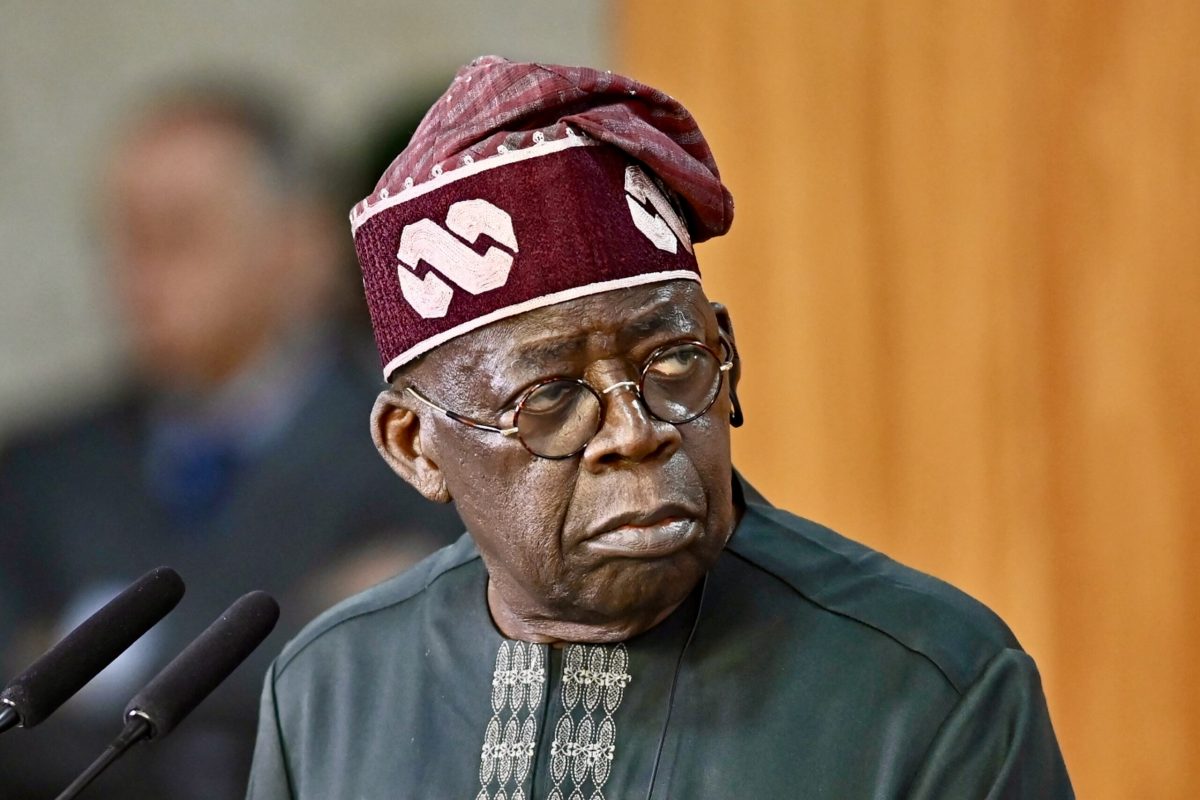
Wale Edun, the Minister of Finance and Coordinating Minister of the Economy, announced the commencement of this initiative. The directive follows a proposal by President Bola Tinubu, approved on July 29, 2024, instructing the Nigerian National Petroleum Company (NNPC) to sell crude oil to Dangote Petroleum Refinery and other refineries in naira. While the plan officially launched on October 1, 2024, the debate around its feasibility and long-term impacts has already sparked intense discussions. Is Nigeria truly ready for such a radical shift? Or is this a gamble too risky for an already fragile economy?
A Visionary Step or a Political Stunt?
At the heart of the directive lies a bold vision: reducing Nigeria’s dependence on foreign currencies for oil transactions, particularly the U.S. dollar. This is a strategy aimed at shoring up the value of the naira, curbing inflation, and promoting economic self-sufficiency. For years, Nigeria has grappled with currency devaluation, a challenge exacerbated by over-reliance on dollar-based transactions in the oil and gas sector, which accounts for a significant portion of the country’s revenue. This new policy seeks to correct that imbalance by domesticating oil sales and recalibrating the economic scales in favor of the naira.
Supporters of this move argue that it represents a bold departure from Nigeria’s long-standing reliance on foreign exchange. The hope is that such a shift could, in the long term, insulate the economy from external shocks, particularly fluctuations in global oil prices and the volatility of the U.S. dollar. With a population of over 200 million people and a voracious demand for fuel, the logic seems sound: why continue pegging the nation’s key resource to foreign currencies when local demand is sufficient to support a naira-based market?
On the surface, this initiative presents itself as a visionary step towards economic independence. It echoes sentiments of national pride, offering a sense of control over Nigeria’s most lucrative industry. Yet, beneath the optimism lies a multitude of challenges and potential pitfalls.
Dangote’s Role: The Saviour of Nigeria’s Refining Sector or a Corporate Monopoly?
The involvement of the Dangote Refinery in this grand scheme has raised eyebrows. As Africa’s largest refinery, the Dangote Petroleum Refinery is poised to play a pivotal role in Nigeria’s transition to self-sufficiency in refining petroleum products. For decades, Nigeria has been criticised for exporting crude oil and importing refined products, a practice that drains foreign reserves and contributes to the country’s balance of payment deficits.
Dangote Refinery’s integration into this new directive presents an opportunity to break this cycle. By refining oil domestically and purchasing crude in naira, the refinery could reduce the country’s reliance on foreign refineries and the dollar. The refinery is projected to process 650,000 barrels of crude oil per day, significantly boosting Nigeria’s refining capacity.
However, critics argue that this move could deepen Dangote’s already immense influence on the Nigerian economy. Is the naira-based oil sale initiative, at its core, a well-calculated economic policy, or does it reflect the deepening nexus between the federal government and private corporate interests? The refinery’s monopolistic position is a cause for concern among some analysts, who argue that concentrating so much economic power in one entity could have unintended consequences, including price manipulation and corporate overreach.
Furthermore, Dangote’s previous collaborations with the Nigerian government have been marred by controversy, with allegations of favourable treatment and policy adjustments to suit the conglomerate’s interests. The decision to single out the Dangote Refinery as the first recipient of naira-denominated crude oil sales feeds into the narrative that this is less about economic strategy and more about catering to powerful private interests.
Economic Impact: Will the Naira’s Fortunes Turn?
One of the primary objectives of this policy is to strengthen the naira, which has endured a tumultuous devaluation over recent years. The decision to price oil in naira should, in theory, increase demand for the currency, thereby stabilising its value. By reducing the demand for dollars in oil transactions, Nigeria hopes to conserve its foreign reserves, which have been depleted by excessive dollar demand and declining oil revenues.
Yet, the broader question remains: Can Nigeria’s ailing currency be propped up by this policy alone? In 2023, the naira plunged to historic lows, trading at over 800 per dollar in the black market. The central bank’s multiple exchange rate regime created a parallel market that further destabilised the currency’s value. Critics argue that without addressing the underlying structural issues, including inflation, a lack of investor confidence, and policy inconsistencies, the naira will continue its downward spiral.
There’s also the question of inflation. A shift to naira-based oil transactions could increase domestic oil prices in the short term, as oil companies pass on the costs of currency volatility to consumers. Nigeria’s economy is heavily reliant on oil revenues, and any increase in oil prices typically has a ripple effect across various sectors, pushing up transportation and production costs.
While the policy aims to curb inflation by promoting local transactions, its immediate effects could exacerbate inflationary pressures. The average Nigerian, already reeling from the high cost of living, could find themselves facing even steeper prices at the pump and in the marketplace.
The International Repercussions: How Will Global Markets React?
Nigeria’s decision to sell crude oil in naira is not just a domestic issue; it has global implications. The international oil market is predominantly dollar-based, and Nigeria’s shift could ruffle feathers among its trading partners. Major international oil buyers might be reluctant to enter into contracts priced in naira, a currency seen as volatile and difficult to hedge against. This could limit Nigeria’s options on the global stage, potentially shrinking its pool of buyers and reducing oil revenues.
Furthermore, the oil market’s complex infrastructure, including pipelines, shipping, and insurance, is intricately linked to the dollar. Any disruption in this established order could create logistical headaches, adding costs and delays to Nigeria’s oil exports. If Nigeria’s major trading partners, including China, India, and the U.S., are unwilling to accept naira-based transactions, the policy could backfire, resulting in reduced oil sales and lost revenue.
On the other hand, Nigeria’s pivot could inspire other oil-producing countries to explore similar strategies. A broader shift towards non-dollar oil transactions could weaken the dollar’s stranglehold on the global oil market, reducing the U.S.’s influence on global energy prices. However, such a seismic shift would require coordinated efforts among oil-producing nations, a prospect that remains uncertain in the near term.
The Geopolitical Stakes: An Independent Nigeria or a Risky Gamble?
Nigeria’s decision to sell crude oil in naira also has geopolitical ramifications. The West African nation is sending a signal to the world that it is willing to chart its own economic course, free from the constraints of dollar dependency. This could strengthen Nigeria’s position as a regional leader, inspiring other African nations to pursue similar strategies.
However, Nigeria’s economic ties to the international community are deep and complex. A sudden break from established norms could strain relations with key allies and trading partners, particularly in Europe and North America. The U.S., in particular, has a vested interest in maintaining the dollar’s dominance in global oil transactions, and Nigeria’s move could be seen as a direct challenge to that dominance.
At the same time, Nigeria’s relationship with China could be further cemented by this move. China has long sought to reduce its dependence on the U.S. dollar, and Nigeria’s naira-based oil sales could align with Beijing’s broader strategic goals. However, aligning too closely with China could also alienate Nigeria from its traditional Western allies, creating a delicate diplomatic balancing act for the country’s leadership.
Conclusion: A Bold Vision or a Dangerous Gamble?
Nigeria’s decision to sell crude oil in naira to the Dangote Refinery represents a bold vision for economic independence and a move towards self-sufficiency. It signals a rejection of the status quo and a desire to reclaim control over the nation’s most valuable resource. However, the policy also raises significant concerns about the naira’s stability, inflation, the potential monopolisation of the oil sector, and Nigeria’s position in the global oil market.
Whether this bold experiment will succeed or fail remains to be seen. What is certain, however, is that Nigeria’s future—its economy, its currency, and its place on the world stage—hangs in the balance. Only time will tell if this is the beginning of a new era of economic sovereignty or a dangerous gamble that could plunge the country into deeper crisis.
With reporting from Taiwo Adebowale, Atlantic Post Senior Business Correspondent