Nigeria is on the brink of a mining revolution, promising transparency, digital innovation, and foreign investment to unlock $700 billion in mineral resources. But will regulatory challenges, environmental risks, and community unrest derail Tinubu’s bold vision for economic diversification?
Nigeria’s Mining Renaissance: Dele Alake’s High-Stakes Gamble to Attract Global Investment
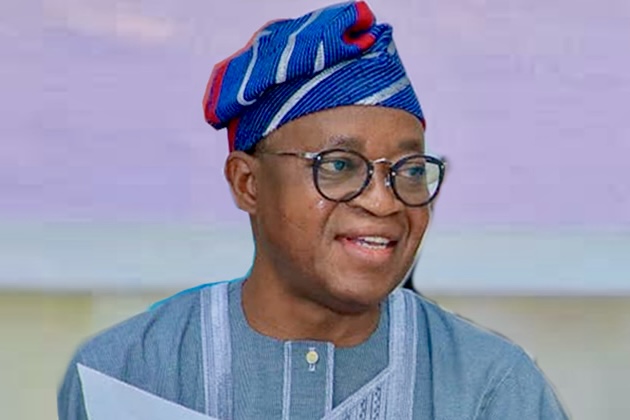
In a bold attempt to rewrite Nigeria’s economic future, Solid Minerals Development Minister Dele Alake has unveiled an ambitious strategy aimed at repositioning the nation as a global mining hub. The announcement, delivered at the prestigious Mines & Money Conference in Islington, London, marks a critical juncture in Nigeria’s drive to diversify its oil-dependent economy. With digital platforms and advanced geological data now at the forefront, Alake’s vision signals both opportunity and controversy in a sector long plagued by inefficiency, corruption, and underdevelopment.
The stakes couldn’t be higher. Nigeria, despite being endowed with some of the world’s most sought-after minerals—lithium, gold, nickel, and rare earth elements—has struggled to translate its resource wealth into tangible economic gains. Years of neglect, regulatory bottlenecks, and a lack of investor confidence have left the country trailing behind regional competitors like Ghana and South Africa. But in Alake’s view, the time for excuses is over.
“The future of Nigeria’s solid minerals is brimming with promise,” Alake declared to a room filled with global mining executives, including industry heavyweights like Barrick’s President Mark Bristow and Traxys CEO Mark Kristoff. “Our doors are open to partnerships, and we invite you to join us on this transformative journey.”
Yet, beyond the polished rhetoric lies a complex reality. Alake’s pitch revolves around three newly launched digital platforms designed to streamline access to Nigeria’s mineral wealth: the Nigerian Mineral Decision Support System (NMRDSS), the Electronic Mining Cadastral (EMC+), and the National Geo-Data Centre. Each platform, according to the Minister, represents a technological leap forward, promising unprecedented transparency, efficiency, and accessibility in a sector that has historically operated behind closed doors.
A Digital Leap or a Digital Mirage?
The Nigerian Mineral Decision Support System (NMRDSS) is touted as a game-changer. Described by Alake as a web application providing read-only access to critical geo-scientific and geo-economic data, the platform aims to empower investors with the tools needed to make informed decisions. From hydrology to demography, urban planning to transportation logistics, the NMRDSS is designed to offer a comprehensive snapshot of the nation’s mineral landscape.
“This dynamic resource, updated regularly to keep the data as current as possible, enables investors to explore the environment of their chosen mineral occurrences,” Alake explained.
But can a digital platform truly address the deep-seated issues that have historically plagued Nigeria’s mining sector? Critics are skeptical. While the promise of transparency is appealing, the implementation of such systems often falls short in countries where institutional corruption runs deep. Will the NMRDSS become a beacon of transparency or just another bureaucratic tool wielded by entrenched interests?
Transparency vs. Reality: The EMC+ Dilemma
The Electronic Mining Cadastral (EMC+) is another cornerstone of Alake’s vision. An online, real-time system for administering mineral titles, EMC+ is designed to eliminate the inefficiencies and opacity that have long characterized Nigeria’s mining title application process. In theory, investors can now apply for and track their mining titles remotely, reducing the need for in-person interactions that often breed corruption and favoritism.
“This means investors can research and plan their application for titles remotely, as long as they have the necessary data for the application process,” Alake noted with confidence.
However, the system’s success hinges on more than just digital accessibility. The Nigerian government’s commitment to transparency and efficiency will be put to the test. For decades, the mining cadastre has been a hotbed of controversy, with accusations of title racketeering and favoritism eroding investor confidence. Will EMC+ genuinely level the playing field, or will it merely digitize existing inefficiencies and corrupt practices?
National Geo-Data Centre: A Double-Edged Sword
Perhaps the most ambitious of the three platforms is the National Geo-Data Centre, which aims to serve as a centralized repository of Nigeria’s geological data. Alake emphasized the government’s commitment to acquiring more geological data to enhance the value of this platform, positioning it as a critical tool for investors seeking to navigate the complexities of Nigeria’s mineral landscape.
“The deliberate investment in accurate geoscientific data, particularly for critical minerals such as lithium and rare earth minerals, has positioned Nigeria as a key player in the global transition to a green economy,” Alake asserted.
On the surface, this is a laudable initiative. Accurate geological data is the lifeblood of the mining industry, enabling companies to assess resource potential, plan extraction strategies, and manage environmental risks. Yet, questions remain about the quality and reliability of the data provided. In a country where infrastructure deficits and underfunded institutions are the norm, can Nigeria deliver on its promise of accurate, up-to-date geological information? And more importantly, who will certify the quality of this data?
Alake, who also serves as Chairman of the Africa Minerals Strategy Group, sought to address these concerns by highlighting the efforts of African geoscientists in developing a new coding system to certify research reports. But industry insiders remain cautious. The credibility of Nigeria’s geological data will be a critical factor in determining whether global investors take the Minister’s pitch seriously or dismiss it as yet another overpromise from an administration struggling to deliver on its economic agenda.
A Race Against Time
As Nigeria races to attract global investment, the clock is ticking. The global mining industry is undergoing a seismic shift, driven by the growing demand for critical minerals essential to the green economy. Lithium, cobalt, and rare earth elements have become the new oil, and countries that can secure their place in this value chain stand to reap substantial economic rewards.
For Nigeria, the stakes are even higher. The country’s overreliance on oil revenue has left its economy vulnerable to price shocks and geopolitical disruptions. Diversifying into the solid minerals sector is not just a strategic imperative—it is a matter of national survival.
Alake’s presentation at the Mines & Money Conference was a calculated gamble. By positioning Nigeria as a transparent, data-driven mining destination, the Minister hopes to attract the attention of global mining giants and secure the investments needed to unlock the nation’s mineral wealth. But the success of this strategy will depend on more than just digital platforms and geological data. It will require a fundamental shift in governance, regulatory oversight, and institutional integrity.

Mining Giants Weigh In: Skepticism and Strategic Interest in Nigeria’s Solid Minerals Push
While Minister Dele Alake’s impassioned pitch at the Mines & Money Conference may have dazzled some in attendance, seasoned industry leaders approached the Nigerian government’s latest overture with measured caution. With promises of digital transformation, transparent processes, and robust geological data, Alake aims to position Nigeria as a global mining hub. But for key decision-makers in the mining sector, talk is cheap, and results matter.
Global Mining Executives: Interest Tempered by Experience
Representatives from some of the world’s largest mining conglomerates, including Barrick’s President Mark Bristow, Traxys CEO Mark Kristoff, and Anglo-American’s General Counsel Kate Southwell, listened intently to Alake’s presentation. For many of these executives, Nigeria represents both a tantalizing opportunity and a potential minefield of risks.
Mark Bristow, known for his strategic leadership at Barrick Gold, expressed interest in Nigeria’s untapped mineral wealth but cautioned against the pitfalls that have historically plagued foreign investors in the country.
“Geological potential is one thing,” Bristow remarked in a brief interview after the session, “but the real question is: Can Nigeria offer the kind of regulatory stability, security, and infrastructure necessary for large-scale mining operations? Without these, even the most promising deposits remain just that—promises.”
Bristow’s skepticism is not unfounded. Barrick, like many other global mining giants, has navigated complex regulatory environments in Africa, from Tanzania to the Democratic Republic of Congo. The lessons learned from these experiences have made companies wary of jurisdictions with a history of bureaucratic inefficiency, legal uncertainty, and security challenges.
Kate Southwell of Anglo-American echoed similar concerns, emphasizing the importance of reliable governance and clear regulatory frameworks.
“Transparency and digital platforms are great, but they must be backed by consistent enforcement of mining laws and respect for investor rights. We’ve seen too many cases where contracts are renegotiated or revoked due to political pressures,” Southwell noted.
Her comment underscores a fundamental issue: Nigeria’s mining sector, despite its potential, is perceived as a high-risk environment where political interference and regulatory flip-flopping can undermine even the most well-planned investments.
The Shadow of Corruption: Can Digital Platforms Deliver?
One of the most significant obstacles to Nigeria’s mining ambitions is the pervasive corruption that has long plagued its public institutions. While Minister Alake touts the Nigerian Mineral Decision Support System (NMRDSS), Electronic Mining Cadastral (EMC+), and National Geo-Data Centre as tools for transparency and efficiency, industry insiders remain skeptical about their ability to combat deeply entrenched corruption.
Digital platforms, no matter how sophisticated, are only as effective as the institutions that manage them. In a country where corruption often operates at the highest levels of government, the question remains: Can Nigeria’s new digital infrastructure genuinely foster a culture of transparency and accountability, or will it become yet another façade masking systemic inefficiencies?
Kehinde Bamigbetan, the Special Adviser to the Minister, sought to address these concerns in a statement issued shortly after the conference.
“The platforms we have developed are designed to eliminate human interference and ensure that all transactions are conducted in a transparent and accountable manner. Investors can now access critical information, apply for mining titles, and monitor their applications in real-time without the need for intermediaries,” Bamigbetan asserted.
However, critics argue that the success of such platforms will depend on more than just technological innovation. It will require a fundamental shift in Nigeria’s governance culture, with strict enforcement of anti-corruption measures and a commitment to upholding the rule of law.
Infrastructure Deficits: A Major Barrier to Investment
Beyond regulatory and governance challenges, Nigeria’s inadequate infrastructure remains a significant barrier to attracting large-scale mining investments. Mining operations require a robust network of roads, railways, ports, and power supply—areas where Nigeria continues to lag behind its regional competitors.
Mark Kristoff of Traxys, a leading player in the global commodities trading and logistics sector, highlighted infrastructure as a critical concern.
“Even if Nigeria can provide accurate geological data and a transparent regulatory environment, the lack of reliable infrastructure will limit the country’s ability to compete on a global scale. Investors need to know that they can efficiently transport minerals from mine sites to export hubs,” Kristoff stated.
Nigeria’s infrastructure deficits are particularly glaring in remote areas where many of its most promising mineral deposits are located. The lack of all-weather roads, rail links, and power supply not only increases the cost of mining operations but also poses significant logistical challenges.
In response to these concerns, Minister Alake has emphasized the Tinubu administration’s commitment to infrastructure development as a key component of its economic diversification agenda. He pointed to ongoing projects aimed at upgrading critical infrastructure, including the rehabilitation of major highways and the expansion of the rail network.
“We understand that infrastructure is the backbone of any successful mining operation,” Alake said. “That is why the Tinubu administration is prioritizing investments in infrastructure to support the growth of the solid minerals sector.”
Geopolitical Implications: Nigeria’s Role in the Global Green Economy
Amid the challenges, Nigeria’s bid to become a global mining powerhouse is also driven by the shifting dynamics of the global economy. The demand for critical minerals such as lithium, cobalt, and rare earth elements has skyrocketed in recent years, fueled by the transition to renewable energy and the growing adoption of electric vehicles.
Nigeria’s strategic positioning as a potential supplier of these critical minerals offers both economic and geopolitical advantages. As countries around the world scramble to secure access to the resources needed for the green transition, Nigeria has an opportunity to leverage its mineral wealth to strengthen its economic and diplomatic ties with major global powers.
Minister Alake highlighted this geopolitical dimension during his address, emphasizing Nigeria’s commitment to sustainability and its role in the global fight against climate change.
“The deliberate investment in critical minerals positions Nigeria as a key player in the global green economy,” Alake said. “We are not just suppliers of raw materials; we are partners in the global effort to create a sustainable future.”
However, capitalizing on this opportunity will require more than just rhetoric. Nigeria must demonstrate its ability to meet international standards for environmental, social, and governance (ESG) practices—a key consideration for global investors increasingly focused on sustainable and responsible mining.
Infrastructure Deficits: A Major Barrier to Investment
Amid the challenges, Nigeria’s bid to become a global mining powerhouse is also driven by the shifting dynamics of the global economy. The demand for critical minerals such as lithium, cobalt, and rare earth elements has skyrocketed in recent years, fueled by the transition to renewable energy and the growing adoption of electric vehicles.
Nigeria’s strategic positioning as a potential supplier of these critical minerals offers both economic and geopolitical advantages. As countries around the world scramble to secure access to the resources needed for the green transition, Nigeria has an opportunity to leverage its mineral wealth to strengthen its economic and diplomatic ties with major global powers.
Minister Alake highlighted this geopolitical dimension during his address, emphasizing Nigeria’s commitment to sustainability and its role in the global fight against climate change.
“The deliberate investment in critical minerals positions Nigeria as a key player in the global green economy,” Alake said. “We are not just suppliers of raw materials; we are partners in the global effort to create a sustainable future.”
However, capitalizing on this opportunity will require more than just rhetoric. Nigeria must demonstrate its ability to meet international standards for environmental, social, and governance (ESG) practices—a key consideration for global investors increasingly focused on sustainable and responsible mining.
In the final batch, we will explore the potential socio-economic benefits of Nigeria’s mining ambitions, the government’s strategy for community engagement, and the critical role of local content in ensuring that the country’s mineral wealth translates into broad-based economic development.
Can Nigeria’s Mining Ambitions Translate into Economic Transformation?
As Nigeria’s Solid Minerals Development Minister, Dele Alake, continues to woo global investors with promises of a transformed mining sector, the question on the minds of many Nigerians is simple: Will this be another missed opportunity, or can Nigeria finally unlock the potential of its vast mineral wealth to drive sustainable economic growth?The stakes could not be higher. In a country grappling with economic stagnation, rising unemployment, and deepening poverty, the success—or failure—of the solid minerals sector could define the next decade of national development.
Economic Potential: An Untapped Goldmine?
Nigeria is blessed with an abundance of mineral resources, including gold, tin, iron ore, coal, and the increasingly coveted critical minerals like lithium and rare earth elements. According to estimates from the Ministry of Solid Minerals Development, Nigeria’s mineral wealth is valued at over $700 billion, yet the sector contributes a meager 0.5% to the country’s Gross Domestic Product (GDP).
Minister Alake has framed the solid minerals sector as the next frontier in Nigeria’s economic diversification agenda, aiming to reduce the country’s over-reliance on crude oil exports.
“For too long, Nigeria has been a mono-economy, dependent on oil revenues. The solid minerals sector offers us a path to diversification, job creation, and sustainable development,” Alake declared during the Mines & Money Conference.
The potential economic impact of a thriving mining industry is significant. Analysts project that with the right policies, the sector could contribute up to 5% of Nigeria’s GDP within the next decade, generating billions of dollars in revenue and creating hundreds of thousands of jobs.
However, turning this potential into reality will require more than just foreign investment. It will demand a comprehensive strategy that addresses the structural challenges facing the sector, from regulatory bottlenecks and infrastructure deficits to community relations and local content development.
Community Engagement: Navigating the Social Minefield
One of the most critical—and often overlooked—aspects of mining operations is the relationship between mining companies and local communities. In Nigeria, where many mineral-rich regions are also hotspots of poverty and underdevelopment, the arrival of mining companies can be both a blessing and a curse.
While mining operations have the potential to create jobs and stimulate local economies, they can also lead to displacement, environmental degradation, and social conflict. In recent years, Nigeria has witnessed a series of violent clashes between mining companies and local communities, fueled by disputes over land rights, environmental damage, and the distribution of economic benefits.
Minister Alake has emphasized the importance of community engagement in the government’s mining strategy, pledging to work with local stakeholders to ensure that mining operations are conducted in a socially responsible manner.
“We recognize that mining is not just about extracting minerals; it’s about creating shared value for all stakeholders, including local communities. That is why we are committed to implementing policies that promote community development, environmental sustainability, and social inclusion,” Alake stated.
One of the key initiatives in this regard is the establishment of Community Development Agreements (CDAs) between mining companies and host communities. These agreements, which are legally binding, outline the responsibilities of both parties in areas such as job creation, infrastructure development, and environmental management.
However, the success of CDAs will depend on their enforcement and the willingness of mining companies to go beyond mere compliance and invest in meaningful community development.
Local Content: Ensuring Nigerians Benefit
Another critical aspect of Nigeria’s mining strategy is the promotion of local content—the involvement of Nigerian companies and workers in mining operations. For too long, the extractive industries in Nigeria have been dominated by foreign companies, with limited opportunities for local participation.
Minister Alake has pledged to change this narrative by implementing policies that prioritize local content in mining projects. These policies include requirements for mining companies to source goods and services locally, employ Nigerian workers, and invest in skills development and technology transfer.
“The development of our solid minerals sector must be driven by Nigerians, for Nigerians. We cannot afford to be spectators in our own economy,” Alake declared.
The promotion of local content is not just a matter of economic nationalism; it is also a strategic imperative. By building local capacity and fostering the growth of indigenous mining companies, Nigeria can reduce its dependence on foreign investors and ensure that a larger share of the economic benefits from mining stays within the country.
Environmental Sustainability: A Test of Credibility
In today’s global economy, environmental sustainability is no longer an optional consideration—it is a necessity. As Nigeria seeks to position itself as a global supplier of critical minerals, it must also demonstrate its commitment to environmental, social, and governance (ESG) standards.
Mining operations, by their very nature, have significant environmental impacts, from deforestation and water pollution to greenhouse gas emissions. In a country already facing severe environmental challenges, including desertification, deforestation, and climate change, the need for sustainable mining practices is more urgent than ever.
Minister Alake has pledged that the Tinubu administration will prioritize environmental sustainability in the development of the solid minerals sector. This includes enforcing environmental regulations, promoting the use of clean technologies, and investing in environmental restoration projects.
“We are committed to ensuring that mining in Nigeria is conducted in a manner that protects our environment and promotes the well-being of future generations,” Alake said.
However, environmental activists remain skeptical, pointing to Nigeria’s track record of weak enforcement of environmental laws and the influence of powerful industry lobbyists. The credibility of the government’s commitment to sustainability will be tested in the coming years as mining operations expand across the country.
Conclusion: The Road Ahead
Nigeria’s renewed push to attract global investment in the solid minerals sector is a bold and ambitious move, but it is fraught with challenges. From regulatory and infrastructure deficits to community relations and environmental sustainability, the road ahead is anything but smooth.
Yet, the potential rewards are immense. If Nigeria can overcome these challenges and unlock the full potential of its mineral wealth, the solid minerals sector could become a key driver of economic growth, job creation, and sustainable development.
As Minister Alake concluded his address at the Mines & Money Conference, he left investors with a final message:
“The future of Nigeria’s solid minerals sector is bright. We are ready to partner with you to unlock this potential and build a prosperous future for our country. Together, we can make Nigeria a global mining powerhouse.”
For the millions of Nigerians hoping for economic transformation, the question remains: Will this time be different? Only time will tell.