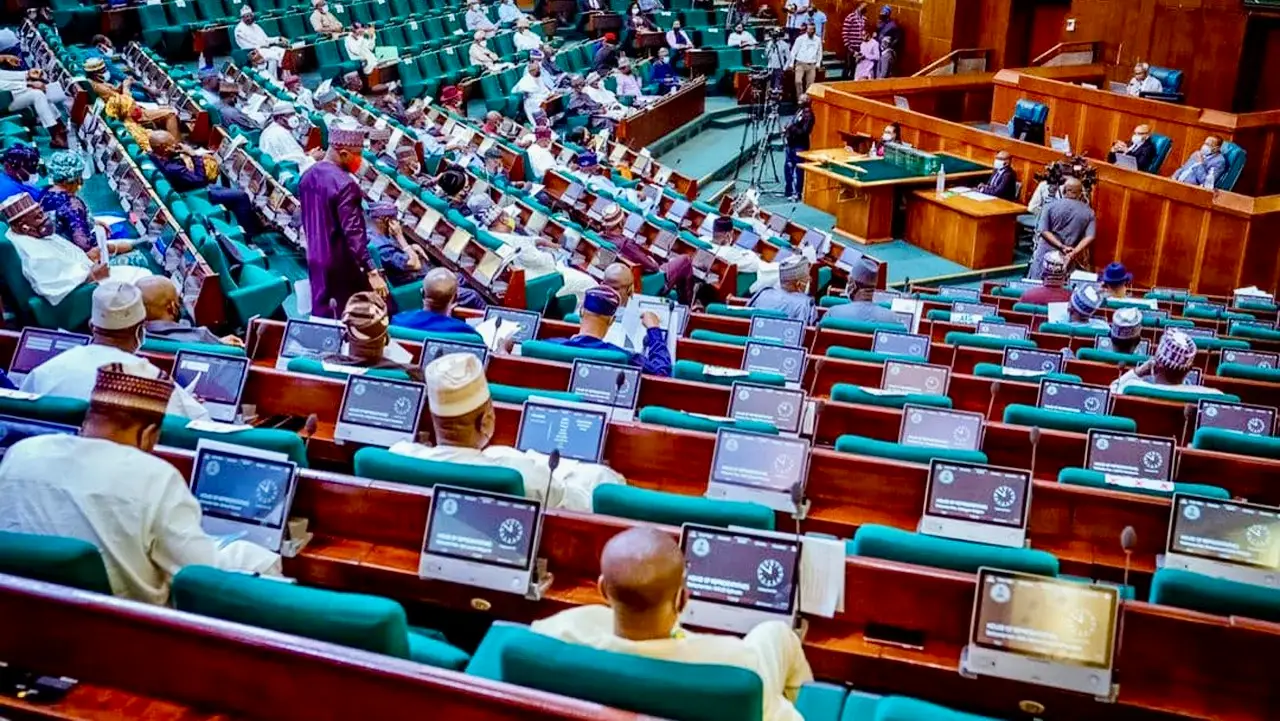
In a bold move that could reshape Nigeria’s federal landscape, the House of Representatives Committee on Constitutional Review has proposed the creation of 31 new states. Read our detailed, analytical and critical report on the political, constitutional, and socioeconomic implications of this controversial proposal.
ABUJA, Nigeria — In a development that has already set political circles abuzz, the House of Representatives Committee on Constitutional Review has tabled a proposal to create 31 new states, a move that, if approved, will see Nigeria’s current 36 states augmented to a staggering 67 sub-national entities.

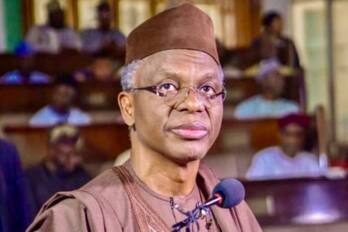
The proposal, read out by Deputy Speaker Benjamin Kalu during Thursday’s plenary session – in the absence of Speaker Tajudeen Abbas – is poised to redefine the nation’s political landscape.
This report delves into the intricacies of the proposal, the constitutional stipulations it entails, and the broader implications for Nigeria’s federal structure.
Detailed Breakdown of the Proposal
The Core of the Proposal
The committee, chaired by Benjamin Kalu, has advanced the idea of a major sub-national reorganisation by recommending the creation of 31 new states. The proposed reorganisation spans all geopolitical zones:
- North Central: 6 new states
- North East: 4 new states
- North West: 5 new states
- South East: 5 new states
- South-South: 4 new states
- South West: 7 new states
This expansive proposal is accompanied by strict guidelines that underscore adherence to constitutional procedures. The committee’s directive specifies that any act passed by the National Assembly must secure the support of at least a third majority of its members.
Moreover, the process mandates the active involvement of local governments, state houses of assembly, and the proper submission of detailed proposals in both physical and electronic formats.
Specific Provisions and Submission Requirements
The proposal outlines several key steps:
Legislative Approval: An act of the National Assembly must be supported by a third majority for state creation to proceed.
Local and State Government Engagement: The process requires that proposals are vetted and endorsed by the House of Representatives, the House of Assembly of the relevant area, and the Local Government Council.
Adherence to Constitutional Mandates: In accordance with Section 8 of the Nigerian Constitution, all proposals must follow the specified guidelines, including the forwarding of votes from State Houses of Assembly.
Formal Submission Protocol: Proposals must be submitted in three hard copies and additional digital copies sent to the designated committee email.
The letter detailing these requirements reflects a commitment to a rigorous process aimed at ensuring that any new states are created in strict alignment with Nigeria’s constitutional provisions.
Historical and Political Context
A History of State Creation in Nigeria
The creation of states in Nigeria has always been a topic of intense debate. Historically, state creation has served as both a tool for addressing regional disparities and as a mechanism for political gain.
Past state creation exercises have often been marked by controversy, with critics arguing that such moves can lead to ethnic fragmentation and heightened competition for resources.
The current proposal, however, appears to be grounded in a renewed effort to balance political representation and foster regional development.
Political Motivations and Implications
The proposal to create 31 new states is not merely an administrative exercise—it is a deeply political move. By increasing the number of states from 36 to 67, the proposal is likely to recalibrate the balance of power within Nigeria’s federal system. Political analysts suggest that the move could:
Redistribute Political Influence: With new states, there will be a significant reshuffling of political allegiances and power dynamics, potentially weakening the hold of traditional political strongholds.
Impact Federal Resource Allocation: More states mean more governmental budgets and local allocations, which could lead to contentious debates over resource distribution.
Foster Local Autonomy: Advocates argue that smaller states might be better positioned to address local issues, thereby promoting more effective governance and development at the grassroots level.
However, these potential benefits are accompanied by concerns. Critics caution that the creation of additional states may lead to administrative inefficiencies and could intensify ethnic rivalries if not managed with a high degree of transparency and fairness.
Constitutional and Legal Framework
Adherence to Constitutional Provisions
The proposal is underpinned by a careful adherence to the Nigerian Constitution. The stipulated requirement of securing a third majority in the National Assembly, along with the mandatory involvement of local and state governments, indicates a structured approach aimed at mitigating arbitrary state creation.
This process is intended to ensure that new states are not carved out on mere political whim but are a product of a consultative and constitutionally sound process.
Legal and Administrative Considerations
From a legal standpoint, the proposal sets out several key procedural steps:
Submission of Proposals: Detailed memoranda must be submitted in both hard copy and electronically, ensuring that all relevant documents are on record.
Referendum Process: The proposal mandates that the outcomes of referenda conducted by the State Houses of Assembly be forwarded to the National Assembly, thereby legitimising the state creation process through democratic means.
Public Accountability: By engaging multiple layers of government, the proposal seeks to ensure that any new state formation is the result of comprehensive public consultation and legal rigour.
These measures are designed to safeguard against unilateral decisions and ensure that state creation, if it takes place, is both democratic and legally sound.
Regional Implications and the New States
Proposed New States by Region
The proposal identifies specific new states, each carrying significant geopolitical and socio-economic implications:
Kogi State: Proposed new states include Okun, Okura, and Confluence.
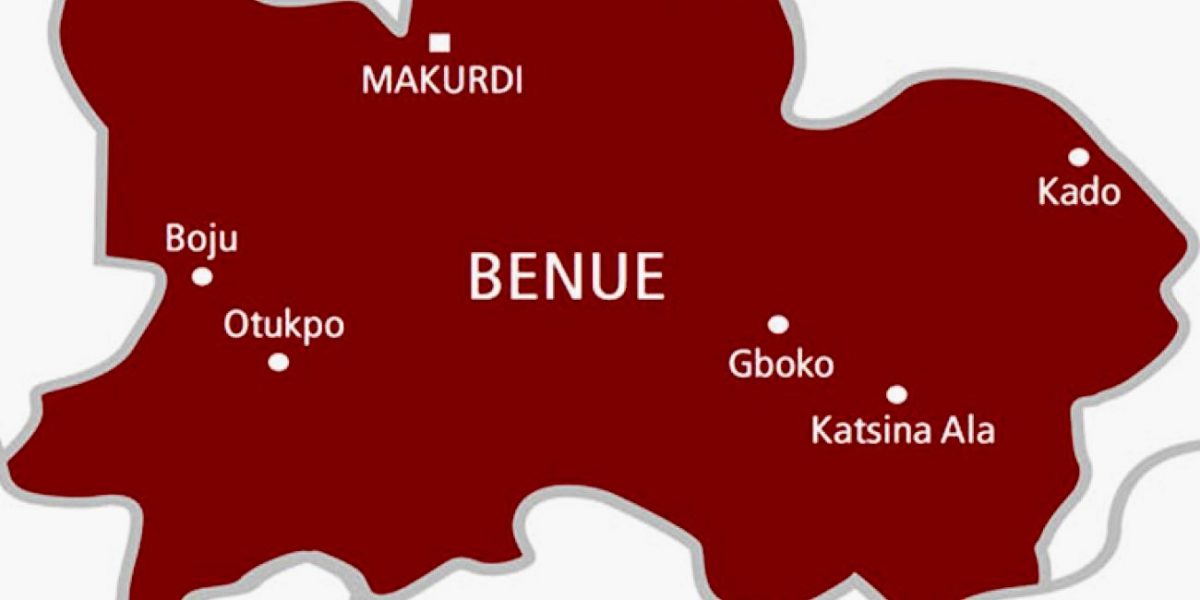
Benue State: The proposal suggests the creation of Benue Ala and Apa states.
FCT (Federal Capital Territory): A new state centred on the FCT is proposed.
Adamawa State: Amana state is on the list.
Bauchi State: Katagum state is proposed.
Borno and Taraba States: The proposal includes Savannah states from Borno and Muri State from Taraba.
Kaduna State: New Kaduna and Gujarat are part of the reorganisation.
Kano State: The new states of Tiga and Ari are proposed.
Kebbi State: Kainji state is recommended.
South Eastern States: Etiti and Orashi, along with Adada from Enugu and Orlu and Aba, are proposed to be the 6th state.
Other Regions: Additional proposals include Ogoja from Cross River, Warri from Delta, Ori and Obolo from Rivers, Torumbe from Ondo, Ibadan from Oyo, Lagoon from Lagos, and states like Ogun and Ijebu from Ogun, plus Oke Ogun/Ijesha spanning Oyo, Ogun, and Osun.
Socioeconomic and Ethnic Dimensions
Each proposed state is expected to have its unique challenges and advantages. Ethnic identities, historical grievances, and regional developmental disparities are all likely to play significant roles in how these proposals are received.
While some stakeholders view the proposals as a pathway to enhanced local governance and tailored developmental strategies, others fear that the new boundaries might further entrench ethnic divisions and fuel regional rivalries.
Analysis: Benefits Versus Challenges
Potential Benefits
Enhanced Local Governance:
Proponents argue that smaller administrative units could lead to more efficient governance, with local governments being more responsive to the needs of their citizens. This decentralisation could, in theory, improve public service delivery and infrastructure development in historically neglected regions.
Political Representation:
The creation of new states is seen as a corrective measure to ensure that underrepresented groups have a greater say in the national political discourse. By redistributing political power, the proposal could lead to a more equitable system of governance that better reflects the country’s diverse demographic landscape.
Economic Development:
Smaller states could tailor economic policies to their specific contexts, potentially leading to more targeted and effective development programmes. This approach might stimulate regional economies and reduce the concentration of wealth and resources in a few large states.
Major Challenges and Criticisms
Administrative Complexity:
Increasing the number of states from 36 to 67 is bound to create layers of bureaucracy. The challenge of managing a larger number of administrative entities could lead to inefficiencies and increased government expenditure, potentially offsetting any gains in localised governance.
Ethnic and Regional Tensions:
Nigeria’s ethnic landscape is highly complex, and state creation has historically been a sensitive issue. Critics worry that the proposed changes might exacerbate existing ethnic and regional tensions, as new boundaries could be perceived as favouring certain groups over others. The need for transparent and inclusive consultation is therefore paramount.
Political Instrumentalisation:
Skeptics argue that the proposal could be a tool for political manipulation, aimed at redistributing power among political elites rather than genuinely addressing regional developmental disparities. There is a real risk that state creation could become an instrument for further entrenching political patronage and regional power struggles.
Constitutional and Legal Hurdles:
While the proposal adheres to constitutional mandates, the practical implementation of these legal requirements remains a formidable challenge. The need for a third majority in the National Assembly, coupled with the coordination between various levels of government, could delay or even derail the process.
The Political Landscape: Reactions and Future Prospects
Political Reactions
The proposal has elicited a wide spectrum of reactions from political commentators, regional leaders, and civil society organisations. Supporters contend that the move is long overdue in a country where historical inequities have often dictated political and economic outcomes. They believe that the creation of new states could lead to more equitable resource distribution and enhanced regional autonomy.
Conversely, critics warn that the move could further complicate an already fragmented political system. There is apprehension that the reorganisation could lead to a proliferation of localised power centres, ultimately undermining national unity.
Political observers have noted that the proposal is likely to be hotly debated in the corridors of power, with opposition parties and regional interest groups mobilising both support and resistance.
Future Prospects and Implementation Challenges
The success of this ambitious proposal hinges on several factors:
Legislative Support: The requirement for a third majority in the National Assembly is a high threshold that could prove difficult to meet in a politically charged environment.
Stakeholder Engagement: Effective consultation with local governments, state assemblies, and civil society is essential to ensure that the new states are formed in a manner that is both democratic and sustainable.
Economic Viability: Beyond political considerations, the economic implications of creating new administrative units must be carefully assessed. Fiscal decentralisation and the equitable distribution of resources will be critical to the success of the new states.
Should these challenges be navigated successfully, Nigeria could witness a transformative shift in its governance structure. However, if the process is marred by political infighting and administrative missteps, the proposal might serve as a cautionary tale of how ambitious reforms can sometimes yield unintended consequences.
Conclusion
The proposal to create 31 new states in Nigeria marks one of the most audacious attempts at federal restructuring in recent history. While the potential benefits—enhanced local governance, more equitable political representation, and targeted economic development—are significant, the challenges cannot be understated. The spectre of administrative inefficiencies, heightened ethnic tensions, and political manipulation looms large over the initiative.
As Nigeria stands on the brink of what could be a historic reorganisation, the coming months will be critical. Political stakeholders, civil society, and the electorate at large must remain vigilant to ensure that any move towards state creation is not only constitutionally sound but also genuinely reflective of the nation’s diverse aspirations.
The Atlantic Post will continue to provide in-depth coverage and critical analysis of this unfolding political saga, ensuring that our readers are well-informed about every twist and turn in this landmark process.
Atlantic Post remains committed to thorough investigative reporting and critical analysis. For further updates and in-depth commentary on Nigerian political developments, stay tuned to our coverage.