Nigeria shatters power records with 5,543MW peak generation, igniting a new era in energy, economy and progress.
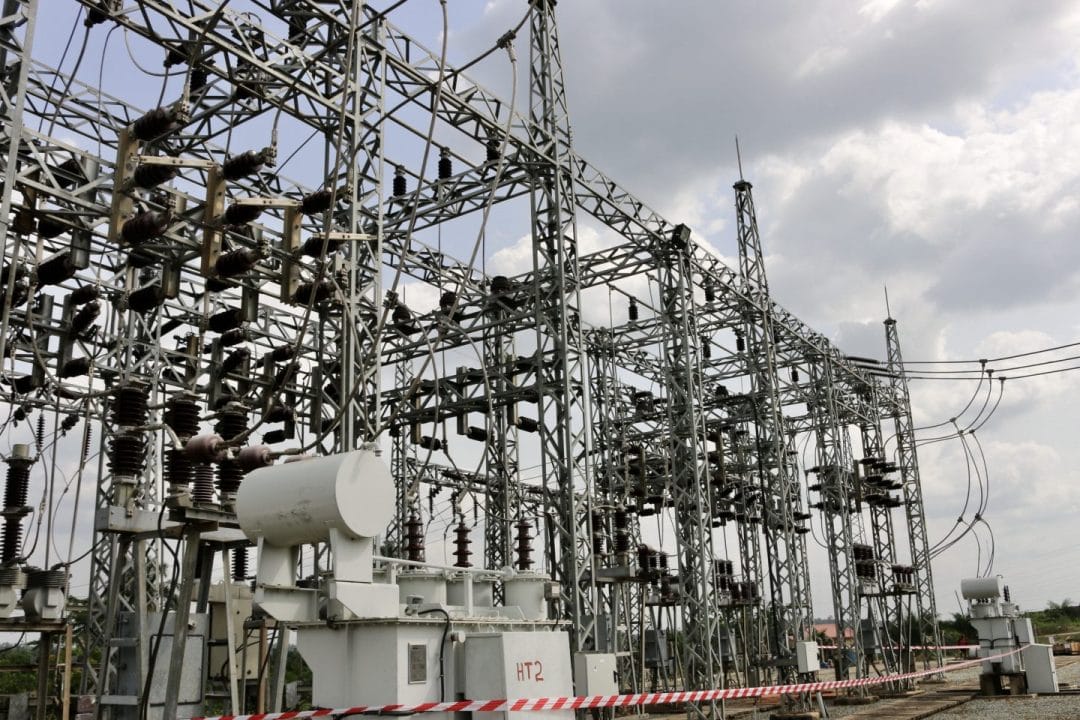
ABUJA, Nigeria — In an electrifying development that has sent ripples through the nation’s energy landscape, Nigeria has shattered previous benchmarks by recording a peak power generation of 5,543.20 MW.
This monumental achievement, announced by the Transmission Company of Nigeria (TCN), marks a turning point for the nation’s power sector, showcasing not only an impressive technical feat but also reflecting the resolute commitment of the current administration to overhaul and invigorate the country’s energy infrastructure.
Record-Breaking Performance
On Friday, 14 February 2025, at exactly 11:00 pm, Nigeria’s power sector reached a new zenith with a generation peak of 5,543.20 MW. This record eclipsed the former high of 5,478.73 MW, which had been established merely 24 hours earlier on Thursday, 13 February 2025.
TCN’s statement emphasised this remarkable progression, celebrating the nation’s ability to consistently push the boundaries of power generation within an exceptionally short span.
The milestone was not confined to peak generation alone. TCN also reported an unprecedented maximum daily energy output of 125,159.48 MWH, overcoming the previous record of 121,674.88 MWH recorded on 7 February 2025 by a significant margin of 3,484.60 MWH.
This surge in energy distribution signals a robust and expanding capability to meet the growing demands of an increasingly electrified nation.
A Testament to Strategic Vision
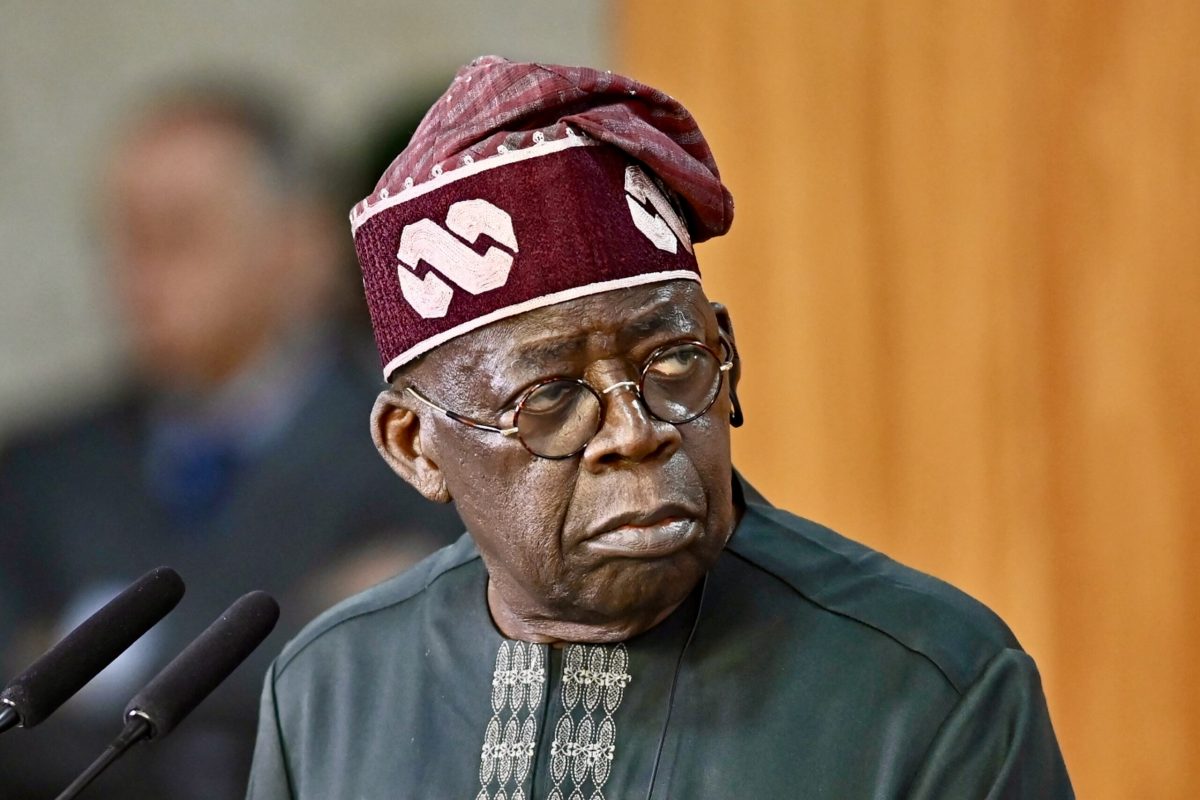
This breakthrough is widely seen as a direct outcome of the visionary policies and strategic investments championed by President Bola Tinubu’s administration, in tandem with the proactive initiatives led by the Minister of Power, Chief Adebayo Adelabu.
Their concerted efforts to rejuvenate Nigeria’s energy sector have focused on modernising infrastructure, optimising operational efficiencies, and fostering public-private partnerships.
The record-breaking figures stand as a testament to these relentless endeavours, illustrating that sustained government intervention can indeed yield transformative results in an industry long beleaguered by challenges.
The dramatic leap in power generation and daily energy output has been hailed by industry experts as a beacon of progress. It is argued that such achievements could catalyse further reforms, attract international investment, and ultimately enhance the reliability of power supply for millions of Nigerians.
For a country that has long grappled with power shortages and infrastructural deficits, these records offer a glimpse of a brighter, more energised future.
Critical Analysis and Skepticism
However, while the record figures have ignited optimism among policymakers and investors alike, they also prompt critical questions about the sustainability and distribution of these gains.
Critics argue that peak generation records, though impressive on paper, may not necessarily translate into continuous, reliable power supply for end consumers.
There is growing concern that these short-term achievements could be more reflective of improved generation capacity at specific moments rather than a stable, long-term solution to the pervasive issues of power outages and grid unreliability.
Detractors suggest that while infrastructural upgrades and strategic policies have indeed propelled Nigeria to new heights, the underlying challenges in power transmission and distribution still require urgent attention.
Issues such as maintenance of the ageing grid, regional disparities in power supply, and the financial viability of the power sector remain significant obstacles.
Consequently, there is a call for a more holistic approach that not only focuses on record-setting generation figures but also prioritises the consistent and equitable delivery of electricity to all corners of the nation.
The Road Ahead: Opportunities and Challenges
Looking forward, the recent achievements in Nigeria’s power sector could serve as a catalyst for further reforms. The extraordinary figures are likely to stimulate additional investments in renewable energy, smart grid technologies, and enhanced maintenance protocols.
If the current trajectory is maintained, Nigeria may soon emerge as a regional leader in energy innovation, setting a benchmark for neighbouring countries grappling with similar challenges.
Yet, the journey is far from over. The challenge for the government and TCN now lies in converting these peak achievements into everyday reliability. With the nation’s industrial and residential sectors increasingly dependent on uninterrupted power, there is a pressing need for continuous improvement in the transmission network.
Furthermore, industry stakeholders are advocating for transparent reporting and accountability measures to ensure that the gains in power generation are not ephemeral but part of a broader, sustainable strategy.
Implications for Economic Growth and Social Development
The implications of these record-breaking milestones extend beyond the confines of technical achievements. For Nigeria’s economy, improved power generation and distribution have the potential to drive industrial growth, boost investor confidence, and improve the overall quality of life.
Reliable electricity is a cornerstone for economic diversification, and as the nation moves towards a more robust energy infrastructure, sectors such as manufacturing, technology, and services are expected to flourish.
Moreover, the increased availability of power is likely to have a positive social impact. With better energy supply, educational institutions, hospitals, and other critical public services can operate more efficiently, thereby contributing to enhanced social development.
The records set by TCN thus represent not only a technical triumph but also a significant step towards addressing long-standing socio-economic disparities in the country.
In conclusion, Nigeria’s record-setting power generation of 5,543.20 MW and the simultaneous achievement of a maximum daily energy output of 125,159.48 MWH are monumental milestones that reflect both progress and potential.
While these figures herald a new era in Nigeria’s energy sector, they also underscore the necessity for sustained efforts to ensure that such achievements are improved upon and translate into everyday benefits for all Nigerians.
As the administration of President Bola Tinubu and Minister Chief Adebayo Adelabu continue their ambitious plans for energy reform, the nation stands at a critical juncture.
The challenge now is to maintain this momentum, address the underlying issues of transmission and distribution, and ultimately deliver on the promise of a brighter, more reliable energy future for Nigeria.
- Additional report by: Taiwo Adebowale, Atlantic Post Senior Business Correspondent.