By Editor
The Nigerian government faces an intense legal, political, and social crisis after allegations of police brutality during the #EndBadGovernance protests. The Inspector-General of Police’s investigation raises questions about accountability, reforms, and the future of Nigerian democracy.
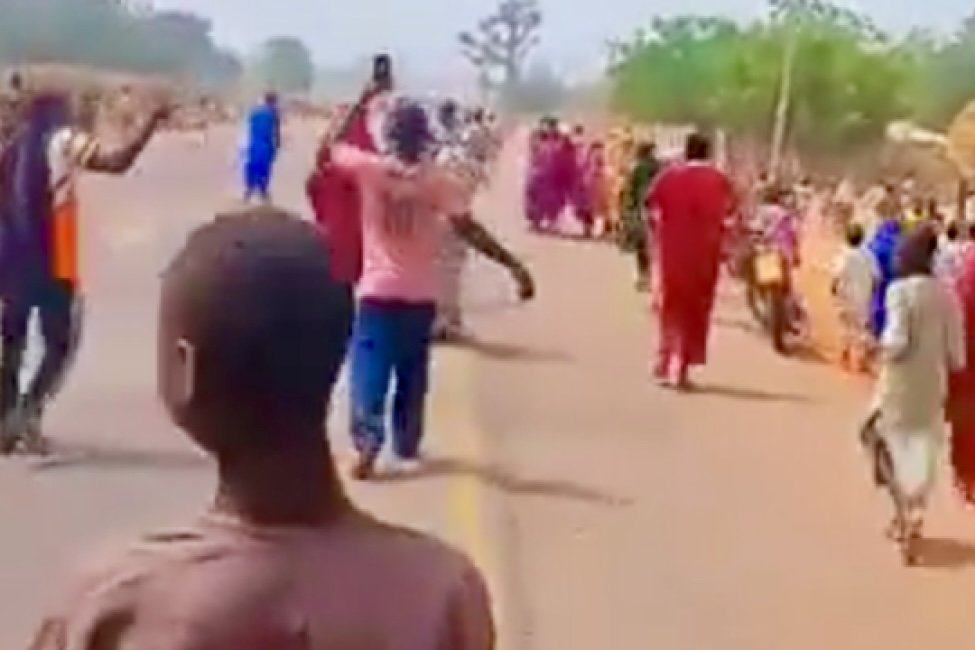
In what is shaping up to be a watershed moment for civil rights and police accountability in Nigeria, Amnesty International has dropped a bombshell report that paints a chilling picture of state-sponsored violence and repression during the August 2024 #EndBadGovernance protests. The 34-page document, filled with harrowing testimonies, photographic evidence, and detailed incident logs, alleges that the Nigeria Police Force (NPF) unleashed a brutal crackdown, killing no fewer than 24 protesters, including 20 young citizens, an elderly individual, and two children. It further asserts that over 1,200 demonstrators were unlawfully detained in a nationwide sweep designed to stifle dissent and perpetuate the culture of impunity that has long plagued Nigeria’s law enforcement agencies.
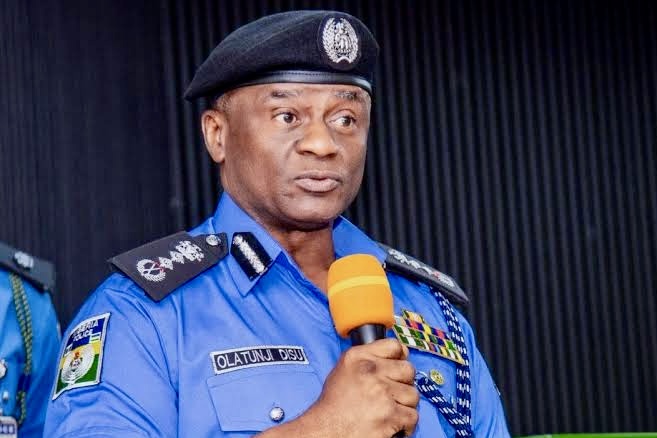
At the centre of this firestorm is Inspector-General of Police (IGP) Kayode Egbetokun, a man whose tenure has been marked by both cautious optimism and deep-seated skepticism. In a swift rebuttal released on Monday through Force spokesperson Muyiwa Adejobi, the IGP dismissed Amnesty’s findings as “unfounded, misleading, and inconsistent with the incident reports submitted by affected commands.” But behind the veneer of bureaucratic denials lies a complex web of allegations that threaten to unravel the fragile trust between Nigeria’s citizens and its security apparatus.
A Clash of Narratives: Police Versus Amnesty
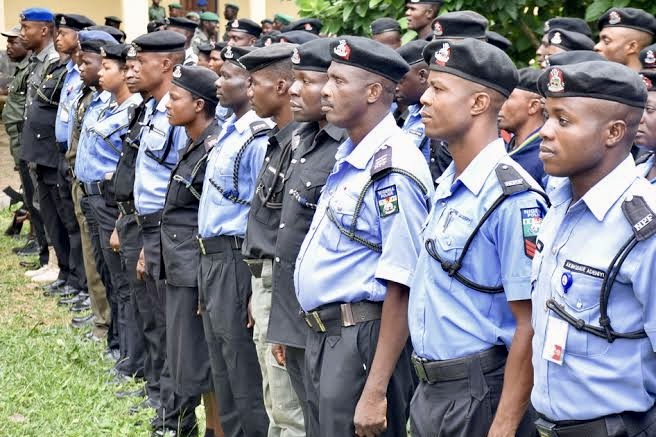
Egbetokun’s statement strikes a defiant tone, portraying the police as the true victims of a well-coordinated smear campaign by foreign actors and local agitators intent on destabilising Nigeria. According to the IGP, the Nigeria Police Force operated within the confines of established rules of engagement, providing security for peaceful protesters and resorting to minimal force only when protests escalated into violent riots.
“The Force wishes to reiterate that throughout the protests, it operated in compliance with established rules of engagement,” Egbetokun declared. “Arms were only to be used when protests escalated into riots involving loss of lives and property damage. Even then, engagement with armed protesters was limited strictly to specialised armed units to restore order.”
The IGP’s defence hinges on a series of incidents that he claims were either misrepresented or omitted entirely from Amnesty’s report. In one of the most striking examples, Egbetokun pointed to a tragic event in Borno State where suspected Boko Haram/ISWAP operatives infiltrated a protest, detonating an improvised explosive device that killed four and injured 34 others. “These events, which accounted for the total of seven recorded deaths during the protests, were not caused by police actions,” he asserted, in a calculated effort to distance his officers from the bloodshed.
Yet, Amnesty International’s report tells a different story—one of peaceful protesters gunned down in cold blood, tear gas canisters lobbed into crowds without provocation, and mass arrests that targeted young activists, journalists, and human rights defenders. The organisation accuses the police of systematically violating the constitutional rights of Nigerians, using excessive force to silence dissent and perpetuate a climate of fear.
The Human Toll: Stories of the Victims
Behind the statistics lie the faces of those whose lives were irrevocably changed by the crackdown. Amnesty’s report meticulously documents the stories of victims, painting a grim portrait of a nation where the right to protest is met with state-sanctioned violence.
One such story is that of 17-year-old Kelechi Nwosu, a secondary school student in Lagos who joined the protests with dreams of a better Nigeria. Eyewitnesses recount how Kelechi was shot in the chest by police officers attempting to disperse a peaceful demonstration near the Lekki Toll Gate—a location etched into the national memory as a site of state violence since the 2020 #EndSARS protests. His mother, Grace Nwosu, described the moment she received the call: “They said my son was shot for holding a placard. He was not a criminal; he was just a child who believed in change.”
Similarly, in Port Harcourt, 22-year-old Cynthia Okoro was among those detained and later subjected to physical abuse in police custody. Amnesty’s report highlights her ordeal, emphasising the systemic nature of the brutality meted out to detainees. “I was beaten, slapped, and denied food for three days,” Cynthia recounted in a tearful interview. “They wanted me to confess to crimes I did not commit.”
These stories, and many more like them, serve as a damning indictment of the Nigeria Police Force’s conduct during the protests, casting doubt on the IGP’s claims of professionalism and restraint.
Egbetokun’s Crisis of Credibility
For IGP Kayode Egbetokun, the stakes could not be higher. His appointment was heralded as a chance to reform a police force long accused of corruption, brutality, and ineffectiveness. Yet, the Amnesty report threatens to undermine his credibility and erode public confidence in his leadership.
Egbetokun’s insistence that his officers adhered to international standards of crowd control and engagement has been met with widespread skepticism. Civil society organisations, opposition politicians, and human rights advocates have called for an independent inquiry into the events of August 2024, arguing that the police cannot be trusted to investigate themselves.
“The Nigeria Police Force has a long history of covering up its atrocities,” said Chidi Odinkalu, a prominent human rights lawyer and former Chairman of the National Human Rights Commission. “The IGP’s statement is nothing more than a public relations exercise designed to deflect attention from the real issue—state-sanctioned violence against unarmed citizens.”
As the investigation ordered by the IGP unfolds, the question remains: Will it be a genuine effort to uncover the truth, or a thinly veiled attempt to whitewash the actions of a force under siege? For many Nigerians, the answer may well determine the future of civil liberties and police accountability in the country.
International Implications
The fallout from Amnesty International’s report is not limited to Nigeria’s borders. International human rights organisations, foreign governments, and the United Nations have all taken note of the allegations, with calls for sanctions and travel bans on top police officials gaining traction. The United States and the European Union, both of which have significant diplomatic and economic ties to Nigeria, have always expressed “deep concern” over the reports of human rights abuses.
As international pressure mounts, the Nigerian government finds itself in a precarious position, balancing the need to maintain order with the imperative to uphold human rights. For IGP Egbetokun, the coming weeks will be a test of his leadership, his integrity, and his ability to navigate one of the most significant crises of his career.

Political Fallout, Civil Society Mobilisation, and Legal Repercussions
As the storm surrounding Amnesty International’s damning report on the Nigeria Police Force intensifies, it is clear that the political ramifications of this crisis will be far-reaching. The revelations of police brutality during the #EndBadGovernance protests have ignited a firestorm of protests, public outcry, and calls for justice. In this volatile environment, the Nigerian government’s response will be critical not just for restoring public trust in law enforcement, but also for its political survival in an increasingly polarised climate.
Political Implications: A Test of Power and Accountability
The #EndBadGovernance protests, which were spurred by widespread frustration with corruption, economic mismanagement, and the general erosion of democratic principles under President Bola Ahmed Tinubu’s administration, have now morphed into a serious challenge to the government’s legitimacy. While the protests initially aimed to draw attention to systemic issues, they have since evolved into a broader indictment of Nigeria’s ruling class. Amnesty International’s report, which alleges police culpability in the deaths of protesters, has only fuelled this growing sentiment of disillusionment.
For President Tinubu, the stakes are high. His government is already facing criticism on multiple fronts, including rising insecurity, the failure to deliver on electoral promises, and the worsening economic situation. The revelations of police brutality have further tarnished the administration’s image, especially among Nigeria’s youth—who were at the forefront of the #EndBadGovernance protests and the previous #EndSARS movement. These young Nigerians are increasingly disillusioned with both the political elite and the institutions tasked with protecting them, including the police.
The protests and the subsequent allegations have emboldened opposition figures who see this moment as a potential rallying cry for the 2027 elections. Atiku Abubakar, former Vice President and leader of the People’s Democratic Party (PDP), has seized the opportunity to criticise the government’s handling of the protests. “The current government has shown its disdain for the Nigerian people. The police brutality we witnessed is a direct result of the culture of impunity fostered by this administration,” he declared in a recent speech. His calls for an independent investigation into the protests have resonated with a large section of the electorate, particularly those dissatisfied with Tinubu’s leadership.
The emergence of civil society groups and youth organisations, such as the Nigerian Youth Coalition (NYC), has added further pressure on the government to act. These organisations are demanding swift justice for the victims of police brutality, with many calling for an end to impunity within the police force and a reform of the entire security apparatus.
The crisis has also rekindled debates about the need for comprehensive police reform in Nigeria. The call for reforms has gained traction, not only within the political opposition but also from international human rights organisations and global actors. Amnesty International’s report has brought into sharp focus the fundamental flaws within Nigeria’s law enforcement system, with widespread calls for accountability and the reform of police training and operations.
Civil Society Mobilises: From Protests to Legal Action
Nigeria’s civil society, long viewed as the bulwark against authoritarian tendencies and government overreach, has been swift to respond to the allegations. The Nigerian Bar Association (NBA) and other legal advocacy groups have condemned the use of force against peaceful protesters, calling for the prosecution of those responsible for the deaths and injuries.
A coalition of human rights lawyers, led by the likes of Femi Falana, has threatened to take legal action against the police, accusing them of violating both Nigerian and international law. Falana, a vocal advocate for civil liberties, has called for the immediate prosecution of the officers involved in the killings and the illegal detention of protesters. “The Nigeria Police Force cannot continue to act as a law unto itself,” Falana declared. “There must be consequences for these unlawful actions, and those responsible must be held accountable under the law.”
Legal action is already in motion, with several lawsuits about to be filed against the police by the families of the victims. These lawsuits will seek compensation for the victims and demand an independent inquiry into the events of August 2024. The Nigerian courts are now at a crossroads—whether they will provide justice or further entrench the culture of impunity that has plagued the country’s judicial and law enforcement systems.
The legal case is could be further complicated by the involvement of the Nigerian government, which would not only be the defendant in these lawsuits but also responsible for overseeing the police and ensuring their compliance with international human rights standards. With the government’s credibility under siege, the courts will be under immense pressure to demonstrate independence and impartiality, especially in light of the administration’s attempts to defend the police force’s actions.
The Legal and Political Repercussions for Nigeria’s Democracy
The crisis over the #EndBadGovernance protests raises profound questions about the future of Nigeria’s democracy. If the police were indeed responsible for the deaths and detentions described by Amnesty, it would be a stark reminder of the authoritarian tendencies that still grip the country. For many Nigerians, particularly those from marginalised communities, this would reinforce the perception that the government and its institutions are unaccountable to the people they are meant to serve.
The political repercussions could be long-lasting, with the potential to alter the dynamics of the 2027 general elections. The role of the police in quelling dissent will be a key issue in the upcoming campaign, with opposition parties likely to use the report as a tool to rally support and criticise the current administration’s approach to governance.
As public anger continues to mount, the Nigerian government faces a difficult balancing act. On one hand, it must placate the international community and ensure that justice is served to the victims of police brutality. On the other, it must manage the growing discontent within its own population, particularly the youth, who are increasingly distrustful of both the police and the government.
The Investigation’s Potential Outcomes, Long-Term Reforms, and the Strain on State-Citizen Relations
As the investigation into Amnesty International’s allegations unfolds, the immediate and long-term implications for Nigeria’s political and legal landscape remain uncertain. The inquiry ordered by the Inspector-General of Police, Kayode Egbetokun, could either help to rebuild public trust or further entrench the skepticism and dissatisfaction that many Nigerians already harbour toward the police and government institutions. The outcome of this investigation will determine the course of future police reform, affect national political dynamics, and impact Nigeria’s standing within the international community.
The Investigation: A Potential Turning Point or a Paper Exercise?
The IG’s decision to launch an investigation into the allegations is, in itself, a critical juncture for both the Nigeria Police Force (NPF) and the broader government. On the surface, it represents a gesture of accountability. However, given the history of impunity within Nigeria’s law enforcement agencies, it remains to be seen whether this investigation will yield meaningful results or whether it will merely serve as a tool to deflect international criticism while upholding the status quo.
A key question that will shape the investigation’s success is the independence of the inquiry. Nigeria’s police force, under the direct oversight of the IG, has often been accused of operating with little accountability or transparency. The involvement of the affected state-level Commissioners of Police in submitting reports will be crucial to determining whether the inquiry can be objective or if it will be undermined by vested interests within the NPF.
The fact that the IGP has directed a report submission within just one week raises concerns about the depth of the investigation. Given the complexity of the allegations—ranging from extrajudicial killings and arbitrary detentions to the misuse of force—the timeline appears insufficient to conduct a thorough examination. Human rights advocates are already voicing skepticism, fearing that the investigation will be a mere formality aimed at quelling public unrest without bringing about real change.
If the investigation follows a transparent and independent process, it could be an important step toward holding those responsible for police brutality accountable. It would also represent an opportunity to address the systemic issues that have led to the overreach of security forces in Nigeria’s political and social fabric. However, without substantial political will and public pressure, the investigation risks being compromised or whitewashed, further eroding public confidence in the police and the government as a whole.
Police Reform: A Call for Structural Overhaul
The allegations raised by Amnesty International have highlighted one of the most pressing issues in Nigerian governance: the urgent need for police reform. This crisis has laid bare the deficiencies within the NPF, which, despite its stated commitment to professionalism, has frequently been involved in human rights violations and abuses of power.
Nigeria’s police force has long been criticised for its heavy-handed tactics, a culture of impunity, and a lack of accountability mechanisms. Since the #EndSARS protests in 2020, which similarly revolved around allegations of police brutality, there have been calls for significant reforms to address the force’s structural flaws. However, meaningful change has remained elusive, and the events surrounding the August 2024 protests have demonstrated that little has changed in terms of the way the police respond to dissent.
The police’s use of excessive force, particularly the deployment of live ammunition, tear gas, and other violent tactics against protesters, underscores the systemic nature of these problems. The failure of law enforcement to engage with peaceful demonstrators in a manner consistent with constitutional and international human rights standards further compounds the issue. Amnesty International’s report adds to the growing chorus of voices advocating for a complete overhaul of Nigeria’s police force, calling for reforms that would ensure better training, the establishment of accountability mechanisms, and the creation of an independent body to oversee police actions.
Reform proposals include introducing better vetting processes for recruits, particularly to weed out officers with histories of misconduct, and establishing a transparent system for investigating allegations of police abuse. Additionally, calls for the decentralisation of policing—empowering state and local governments to manage their own police forces, rather than relying solely on federal control—have gained traction. Advocates argue that this would foster a more community-oriented approach to policing and ensure that law enforcement is better aligned with the needs and concerns of local populations.
Furthermore, there are demands for improved training in non-violent methods of crowd control and conflict de-escalation. The international community, particularly Western governments, is increasingly emphasising the importance of human rights training for Nigerian security forces. This type of training could help to shift the NPF’s approach to policing from one of coercion and violence to one that prioritises the protection of citizens’ rights and freedoms.
The challenges of reforming the NPF are significant, given the entrenched corruption and political patronage networks within the force. Previous reform efforts have faltered due to a lack of political will, limited resources, and resistance from within the force itself. However, the political climate surrounding the #EndBadGovernance protests, combined with the international spotlight on Nigeria’s human rights record, presents an opportunity for reform advocates to push for long-overdue changes.
The Broader Impact on State-Citizen Relations
The #EndBadGovernance protests and the subsequent police crackdown have deepened the rift between Nigeria’s government and its citizens, especially the younger, more politically engaged demographic. Over the past few years, Nigeria has witnessed an erosion of public trust in key state institutions, particularly the police and the judiciary, which are perceived by many as corrupt, inefficient, and unaccountable.
This erosion of trust is not limited to Nigeria’s youth. Across the country, many citizens view the police force as an instrument of political repression, rather than as a guardian of public safety. The government’s failure to hold law enforcement accountable for their actions during the #EndBadGovernance protests will only serve to reinforce these perceptions. As a result, the Nigerian state faces the difficult task of restoring legitimacy and trust in its institutions, particularly the police.
The rise of civil society movements, advocacy groups, and public demands for police accountability is indicative of a broader shift in Nigeria’s political culture. Nigerians are increasingly unwilling to tolerate abuses of power by state actors and are demanding transparency, justice, and political reforms. This change in mindset, particularly among the younger generation, poses both a challenge and an opportunity for the Nigerian government.
While the government may seek to quell public dissent through repression or deflection, it is clear that this approach is no longer sustainable. The calls for systemic reforms within the police and broader governance reforms are unlikely to go away. In fact, if the government fails to act, it risks further alienating the very citizens whose trust and support it needs to maintain stability and democratic legitimacy.
A Moment of Reckoning for Nigerian Democracy
As the investigation into the #EndBadGovernance protests proceeds, Nigeria stands at a crossroads. The outcome of the inquiry, combined with any subsequent legal actions, will shape the trajectory of Nigerian democracy for years to come. Will Nigeria be able to chart a path toward greater accountability, police reform, and political transparency, or will the entrenched culture of impunity persist, further undermining the country’s fragile democratic institutions?
The events of August 2024, and the ongoing fallout from the Amnesty International report, offer a stark reminder of the tensions between the state and its citizens. How the Nigerian government responds will not only determine the future of law enforcement in the country, but will also shape the broader political landscape, as calls for justice, reform, and accountability continue to echo across the nation.
Conclusion: A Nation at the Crossroads of Reform and Repression
The investigation into the police brutality allegations during the #EndBadGovernance protests is not just a matter of legal or political concern; it represents a critical moment in Nigeria’s ongoing struggle for justice, accountability, and democratic maturity. With growing demands for police reform and the restoration of public trust in state institutions, the government must navigate a delicate balance between upholding its security apparatus and addressing the legitimate grievances of its citizens.
As Nigeria grapples with this crisis, the international community will continue to monitor the situation closely, adding diplomatic pressure for meaningful reform. Ultimately, the choices made in the coming weeks and months will shape the future of policing, governance, and citizen-state relations in Nigeria. The outcome could either pave the way for a more accountable and transparent government or deepen the crisis of legitimacy that has plagued the nation for decades.
Additional report by Peter Jene and Osaigbovo Okungbowa.