The NNPC Power Play: Ojulari’s Tenure in Turmoil
Conflicting reports last Friday night claimed that Economic and Financial Crimes Commission (EFCC) operatives, led by Chairman Ola Olukoyede alongside DSS Director-General Adeola Ajayi, abducted and coerced Group Chief Executive Officer Bayo Ojulari into signing a resignation letter—allegedly without presidential sanction.
The incident, described by sources as a “civilian coup”, has plunged Nigeria’s oil powerhouse into unprecedented chaos.
However, by Saturday afternoon, the Presidency moved swiftly to extinguish the fire. Special Adviser on Information Bayo Onanuga publicly affirmed: “Ojulari remains the substantive head of NNPCL,” branding the forced-resignation narrative as “false and rubbish”.
A Presidency insider emphasised that President Tinubu personally endorsed Ojulari’s April appointment to spearhead NNPCL’s reform agenda.
At the heart of the storm lie grave corruption allegations. Civil society coalitions—including OilWatch Nigeria and the Workers’ Rights Alliance—contest that detained associate Abdullahi Bashir Haske confessed to stashing $21 million on Ojulari’s behalf.
They argue this sum pales beside the ₦500 billion NNPCL reportedly failed to remit to the Federation Account between October and December 2024—a figure cited by SERAP in May.
In response, the EFCC has categorically denounced the abduction claims as “ridiculous and mischievous”, urging the public to discard “false and misleading” reports.
Yet no formal EFCC statement confirming or denying Ojulari’s arrest has surfaced, leaving investors and global partners uneasy over governance standards at Africa’s largest oil entity.
Historically, leadership upheaval at NNPC mirrors past crises: the 2016 fuel subsidy scandal cost taxpayers an estimated $20 billion over six years, eroding public trust in oil-sector management.
President Tinubu’s April overhaul—sacking Mele Kyari’s board and targeting 2 million barrels-per-day output by 2027—was hailed as bold. Now, allegations of political interference threaten to undo these gains.
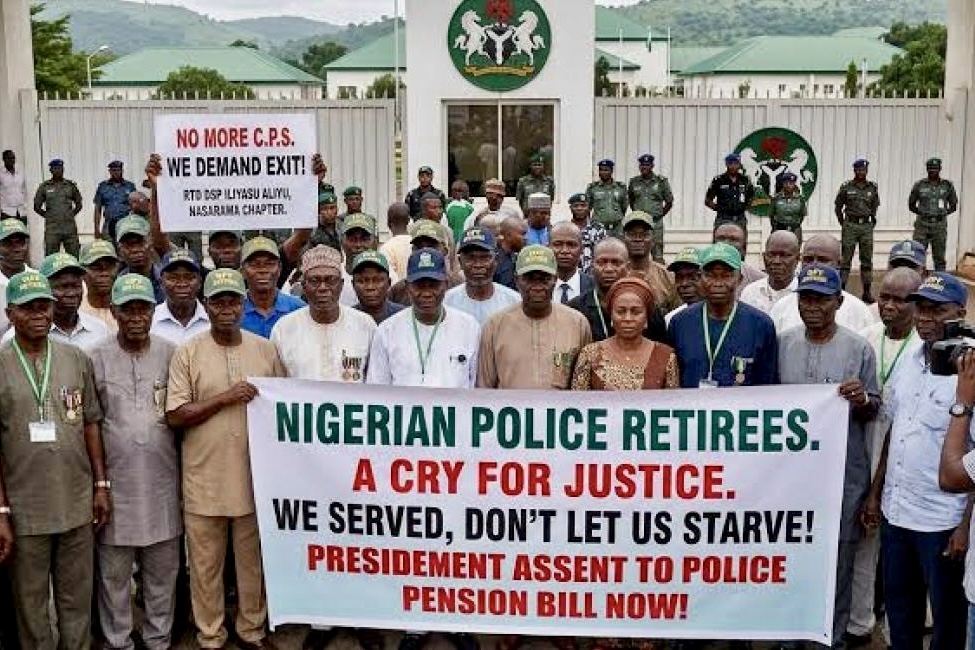
Protesters have mobilised a three-day sit-in at the National Assembly, NNPCL headquarters, and EFCC offices, demanding Ojulari’s prosecution.
“We will not relent until justice is served,” declared coalition spokesman Emmanuel Ekpeyong—echoing public anxiety that powerful figures may still manipulate Nigeria’s oil revenues behind closed doors.
As conflicting narratives persist and the EFCC remains conspicuously silent, the Nigerian oil sector stands at a crossroads.
Will transparency and rule-of-law prevail, or will entrenched interests continue to dictate the fate of the nation’s most strategic asset?
Only decisive, impartial action can restore confidence and safeguard future reforms.