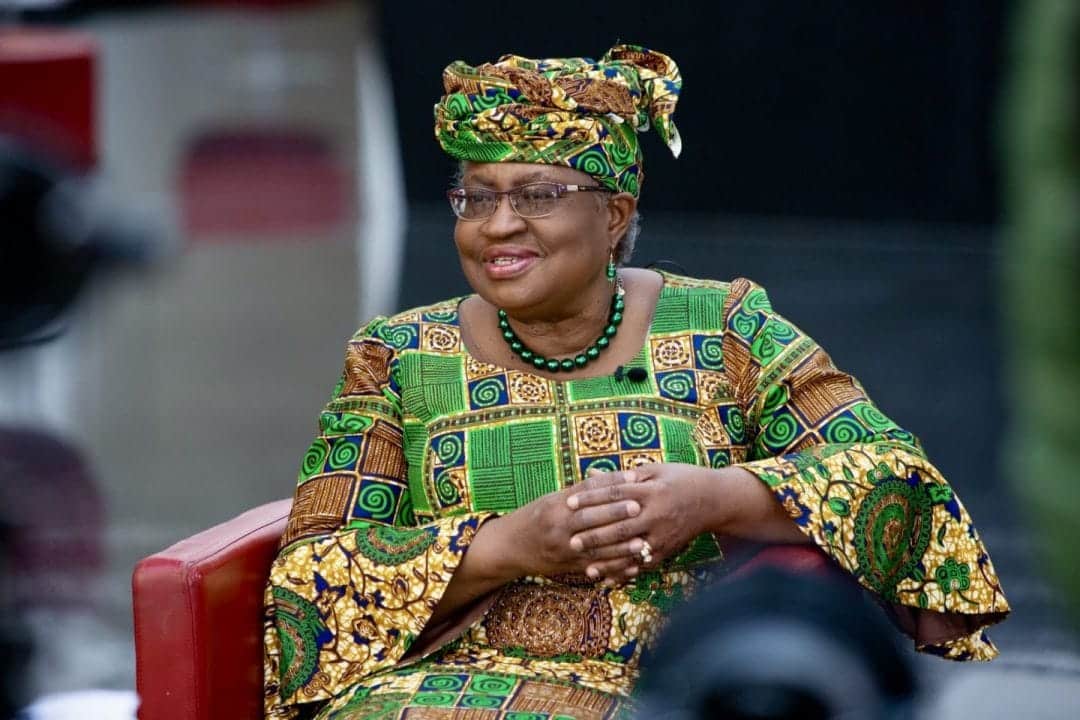
The World Trade Organisation (WTO) has set the global stage ablaze with its decision to reappoint Ngozi Okonjo-Iweala as Director-General for a second four-year term. In a dramatic twist that blends resilience, diplomacy, and leadership acumen, Okonjo-Iweala continues her trailblazing journey as the first woman and African to helm this pivotal institution. However, what does this reappointment truly signify for Nigeria, Africa, and the world at large?

A Triumph for Africa, A Test for Multilateralism
In what is being hailed as a landmark decision, the WTO General Council’s unanimous vote to extend Okonjo-Iweala’s tenure underscores her exceptional leadership during one of the most tumultuous periods in modern history. From navigating the uncharted waters of the COVID-19 pandemic to mediating amidst rising geopolitical tensions, her first term showcased a blend of pragmatism and visionary thinking that resonated with the WTO’s 166 member nations.
But beneath the applause lies a sobering reality: the WTO is an institution at crossroads. The multilateral trading system faces unprecedented challenges, including trade wars, protectionist policies, and the fragmentation of global supply chains. Okonjo-Iweala’s reappointment, while a vote of confidence, is also a clarion call for reform.
Nigeria’s Pride on the Global Stage
Okonjo-Iweala’s reappointment is not just a personal victory; it is a national achievement for Nigeria. Her ascension in 2021 was a beacon of hope, symbolising Nigeria’s potential to contribute to global governance. Now, with a second term secured, she carries the aspirations of a continent eager for a stronger voice in international trade negotiations.
For Nigeria, this is an opportunity to leverage her influence to address critical issues such as fair trade practices, access to global markets, and the diversification of its economy. It is a chance to rewrite the narrative of a resource-dependent nation grappling with economic instability, charting a course towards sustainable development through enhanced trade relations.
The First Term: A Period of Turbulence and Triumph
Okonjo-Iweala’s first term as WTO Director-General was marked by her relentless efforts to steer the organisation through unrelenting crises. The COVID-19 pandemic, which decimated economies and disrupted global supply chains, presented a litmus test for her leadership. Under her guidance, the WTO facilitated critical agreements on vaccine distribution, ensuring that even the most vulnerable nations had access to life-saving resources.
Moreover, her tenure coincided with escalating geopolitical tensions, including the U.S.-China trade rivalry and Russia’s invasion of Ukraine. These conflicts threatened to undermine the very fabric of the multilateral trading system. Yet, Okonjo-Iweala’s diplomatic dexterity ensured that the WTO remained a forum for dialogue and cooperation.
The Road Ahead: Challenges and Opportunities
As she prepares to embark on her second term beginning September 1, 2025, Okonjo-Iweala faces a daunting task. The global economy is undergoing seismic shifts, from the rapid digitisation of trade to the urgent need for sustainable practices in the face of climate change.
Her commitment to promoting trade as a driver of economic growth and resilience will be crucial. But this requires more than rhetoric; it demands actionable strategies to address systemic inequalities in the global trading system. Developing nations, particularly in Africa, must be empowered to compete on an equal footing with their developed counterparts.
A Call for Institutional Reforms
One of the most pressing challenges facing Okonjo-Iweala is the need for institutional reforms within the WTO. Critics argue that the organisation’s decision-making processes are slow and cumbersome, often hampering its ability to respond swiftly to global crises.
Reforming the dispute settlement mechanism, which has been a cornerstone of the WTO’s success, will be a top priority. The appellate body, often referred to as the “Supreme Court” of global trade, has been paralysed since 2019 due to disagreements among member states. Reviving this mechanism is essential to restoring confidence in the WTO’s ability to enforce trade rules fairly and impartially.
Bridging the Digital Divide
The rapid digitisation of global trade presents both opportunities and challenges. While e-commerce has revolutionised the way businesses operate, it has also exposed a stark digital divide between developed and developing nations.
Okonjo-Iweala’s leadership will be pivotal in fostering a more inclusive digital economy. By championing initiatives that provide technical assistance and capacity-building for developing nations, the WTO can help bridge this gap, ensuring that no nation is left behind in the digital revolution.
Climate Change: The Next Frontier
Climate change poses an existential threat to the global economy, with far-reaching implications for trade. From extreme weather events disrupting supply chains to the urgent need for sustainable production practices, the WTO must play a central role in addressing these challenges.
Okonjo-Iweala has already signalled her commitment to integrating climate considerations into the WTO’s framework. Her second term will be an opportunity to build on these efforts, fostering international cooperation on green trade policies and promoting the transition to a low-carbon economy.
A Defining Moment for Global Trade
Ngozi Okonjo-Iweala’s reappointment as WTO Director-General marks a defining moment for the organisation and the global trading system. Her leadership during her first term has set a strong foundation, but the road ahead is fraught with challenges.
For Nigeria and Africa, her continued tenure is a beacon of hope, symbolising the continent’s potential to shape the future of global trade. For the world, it is a reminder that in an era of uncertainty, strong, inclusive, and visionary leadership is more critical than ever.
As Okonjo-Iweala embarks on her second term, all eyes will be on her and the WTO, watching how they navigate the complexities of a rapidly evolving global economy. One thing is certain: the stakes have never been higher.