By Editor
The FEC’s Bold Move: Economic Stabilisation Bills and the Promise of a New Nigeria
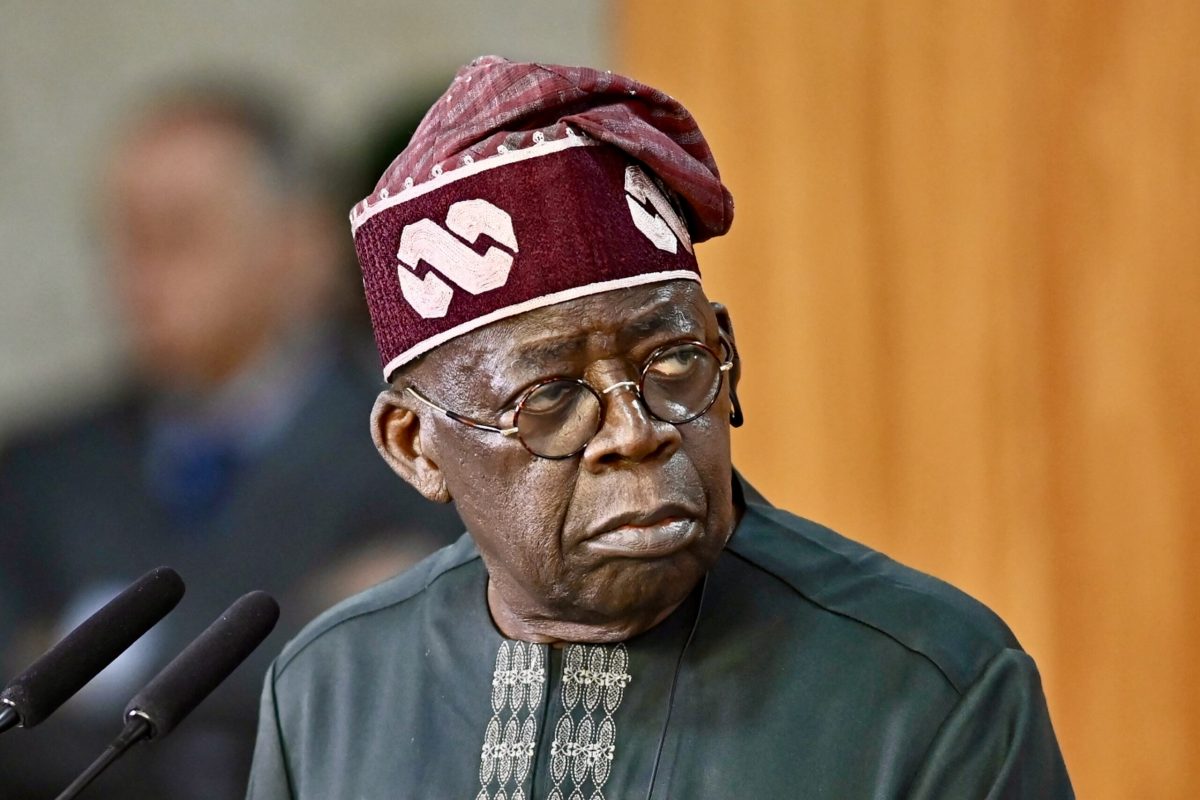
ABUJA, Nigeria — The latest approval of the Economic Stabilisation Bills (ESB) by Nigeria’s Federal Executive Council (FEC) has set the stage for what could be one of the most transformative fiscal reforms in recent history. As President Bola Tinubu presided over the 18th FEC meeting at Aso Chambers, Abuja, the national spotlight shifted to the carefully crafted reforms put forth by the Presidential Fiscal Policy and Tax Reforms Committee, headed by Taiwo Oyedele. These bills promise an overhaul of Nigeria’s tax and fiscal landscape, aiming to rejuvenate the country’s ailing economy.

However, the sheer scope of these changes has drawn both applause and skepticism from stakeholders and ordinary citizens alike. While some are optimistic that these reforms will be a critical tool for poverty alleviation and the stabilisation of the Naira, others argue that the devil lies in the details of implementation. As Nigeria’s economic crisis deepens—exacerbated by inflation, unemployment, and mounting public debt—this report critically examines the potential benefits and pitfalls of these proposed reforms.
A New Era for Nigerian Fiscal Policy?
The Economic Stabilisation Bills (ESB) are a direct response to Nigeria’s financial woes. With over 15 tax, fiscal, and establishment laws slated for amendments, this ambitious legislation seeks to address critical economic challenges including rampant inflation, the struggling Naira, and unemployment. The reforms are heralded as part of the government’s “Accelerated Stability and Advancement Plan,” with a bold aim to reduce inflation and boost job creation while promoting fiscal discipline.
Among the proposed changes, 10 key amendments stand out, each targeting specific areas of the economy:
Income Tax Amendments: The focus here is on creating more employment opportunities by encouraging Nigerians to participate in the global value chain, particularly within the digital economy. By reducing income taxes for companies that contribute to digital and international trade, the government hopes to incentivise the private sector to provide jobs for Nigerians, especially the youth.
Zero-Rated VAT for Exports: A significant reform that zero-rates VAT for the export of goods, services, and intellectual property. This move aims to enhance Nigeria’s global competitiveness, particularly in the burgeoning creative and tech sectors. The goal is to foster a more export-oriented economy while reducing the fiscal burden on local producers.
Gas Sector Reforms: Nigeria’s gas sector, long stifled by excessive regulation and local content requirements, stands to benefit from simplified policies under the ESB. The bill proposes amendments that would make local production more competitive, boosting both domestic supply and international trade.
Foreign Exchange Reform: In perhaps the most contentious proposal, the ESB seeks to reform Nigeria’s foreign exchange regime. Strengthening the Central Bank of Nigeria’s (CBN) regulatory powers is seen as crucial for unlocking more forex liquidity, stabilising the Naira, and ensuring rates convergence. However, critics warn that merely tweaking regulations may not address deeper structural problems that plague the country’s forex market.
Tax Reliefs for Private Sector Employers: To support wage growth and enhance employee welfare, the ESB proposes tax reliefs for private sector employers who offer transport subsidies and wage awards to their workers. With inflation eroding purchasing power, this policy seeks to cushion the effects of rising costs on both employers and employees.
Tax Incentives for Employment Retention: Companies that generate incremental employment and retain such employees for at least three years will receive additional tax relief. This policy could stimulate long-term job creation, though some critics question whether the timeline for such incentives is realistic in a volatile economic environment.
Fiscal Discipline and Remittances: One of the more bureaucratic reforms involves enhancing the remittance obligations of government agencies and corporations to the Consolidated Revenue Fund. This reform seeks to plug leakages in public finance, although its success hinges on the ability to curb entrenched corruption.
Tax Suspension for Small Businesses: In a move that could provide much-needed relief, the ESB proposes collaboration with state governments to suspend certain taxes on small businesses and vulnerable populations. Road haulage levies and other transportation charges, in particular, have been a major impediment to small business survival, especially as Nigeria grapples with inflation.
Tax Identification Consolidation: The introduction of the Tax Identification Consolidation and Collaboration (TICC) initiative aims to expand Nigeria’s tax base. By creating a more unified and efficient tax identification system, the government hopes to level the playing field for businesses, ensuring compliance while closing loopholes.
Funding for Students Loan Scheme: Finally, the ESB proposes additional funding for Nigeria’s Student Loan Scheme. Given the increasing cost of education, this policy could provide much-needed support for students, though skeptics question the government’s capacity to efficiently manage such a program.

The Devil in the Details: Criticisms and Concerns
While the ESB presents an ambitious path forward, its critics argue that the real challenge lies in implementation. Nigeria’s fiscal environment has long been plagued by corruption, inefficiency, and poor oversight. Can these proposed reforms genuinely address these deep-rooted issues? Will the CBN’s enhanced powers translate into real benefits for the Naira, or is this another case of bureaucratic overreach?
As one commenter, Kensola, pointed out, “What a policy shift, how realistic are these policies shifts and how do they plan to curb corruption in the centre of all these??? What are the measures in place to create competition across sectors especially oil sector?” These questions reflect a broader concern about the transparency and efficacy of government programs in Nigeria.
Another looming issue is the timeline for these reforms. While the ESB promises long-term benefits, Nigeria is facing an immediate economic crisis. Inflation is at an all-time high, and unemployment rates continue to soar. The Nigerian public is desperate for short-term solutions to alleviate their suffering. Will the ESB be enough to provide immediate relief, or are these reforms simply laying the groundwork for a more distant recovery?
Public Reactions: Hope or Desperation?
The reactions to Oyedele’s X (formerly Twitter) post about the ESB have been mixed. Some view the reforms as a beacon of hope for Nigeria’s future, while others express frustration over the lack of immediate solutions to pressing economic problems.
One user, Shievo, expressed optimism, stating, “This shows intent from the part of the federal government especially the last ones that is directed towards the market women and men and also the downtrodden from being intimidated by the local government touts.” His comments reflect the belief that the ESB will bring much-needed relief to Nigeria’s struggling informal sector, particularly small-scale traders.
In contrast, another user, Abdulateef Ibn Ismail, voiced concerns about the scope of the reforms, stating, “Abeg, I don read this thing like two times but I no see anywhere wey dem mention reduction in transportation fees & levies (NURTW). I only saw the suspension of taxes on transportation of goods & road haulage levies. If you have a better understanding you fit enlighten me o.”
This reflects a broader sentiment among Nigerians who feel that while the ESB addresses macroeconomic issues, it may not adequately tackle the day-to-day challenges that affect the average Nigerian.
Can the Economic Stabilisation Bills Save Nigeria’s Economy?
At its core, the Economic Stabilisation Bills represent an important step towards fiscal reform and long-term economic growth. If successfully implemented, these reforms could stabilize the Naira, curb inflation, and create jobs. But the success of these policies will depend on the political will to enforce fiscal discipline, reduce corruption, and ensure that the benefits of these reforms are felt by all Nigerians—not just the political elite.
Moreover, while the ESB provides a roadmap for future growth, the immediate economic crisis remains unresolved. Without more urgent and targeted measures, Nigeria’s most vulnerable populations may continue to suffer under the weight of inflation, unemployment, and economic instability.
As the bills head to the National Assembly for deliberation, the government faces a critical test. Will the Economic Stabilisation Bills be the long-awaited solution to Nigeria’s fiscal woes, or will they become yet another failed policy, swallowed by bureaucracy and corruption?
Only time will tell.
With reporting from Taiwo Adebowale, Senior Business Correspondent, Atlantic Post.