A Polish member of the European Parliament has again thrust Nigeria into an international spotlight. This happened by posting a blood-stained Nigerian flag on X. The member also shared a viral burial video in which a pastor pleads for global help.
Dominik Tarczyński used the image and the clip to accuse authorities of looking away as Christians are killed and to appeal directly to the United States for intervention.
The post reignited a familiar and volatile debate. It questioned if recent violence in Nigeria amounts to a targeted campaign against Christians. Alternatively, it is part of a broader collapse of civic order.
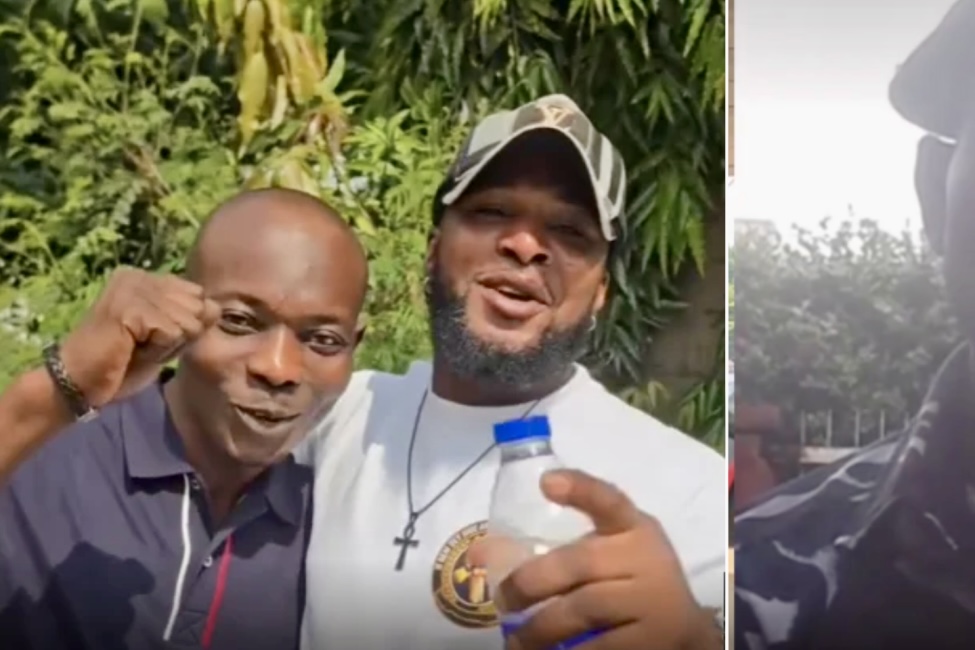
The footage that accompanied the MEP’s post shows a pastor conducting multiple funerals. He declares that communities are exhausted by daily burials.
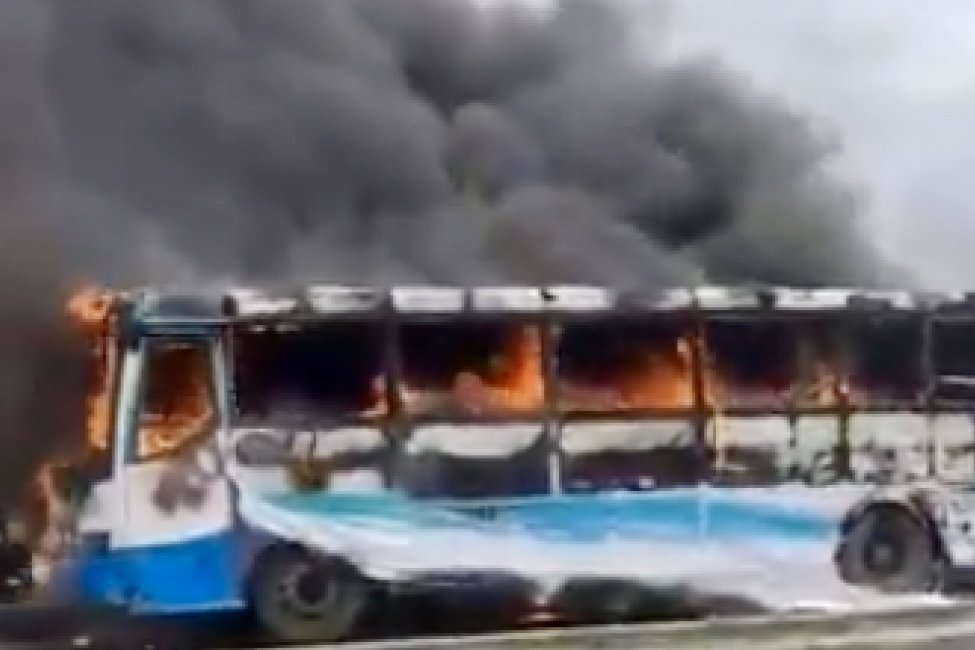
The video has been widely shared on social platforms and has given emotional force to claims of a religiously motivated slaughter. Supporters of the MEP say the images are proof that a sustained campaign of extermination is under way.
Critics warn that social media clips can inflame communal tensions without providing systematic evidence of intent or command.
Abuja’s rebuttal was swift and categorical. The Federal Government described claims of an organised genocide against Christians as false. These claims were called divisive by the Minister of Information and National Orientation, Mohammed Idris.
The minister argued that portraying Nigeria’s security crisis as a religion-based purge is inaccurate. It misrepresents a complex mosaic of banditry, insurgency, and communal clashes. This misrepresentation risks fuelling ethnic and religious polarisation.
The ministry has moved to coordinate a communications response. It has assigned public relations professionals to counter what it calls a deliberate misinformation campaign.
Fact finding and data do not support easy answers. Parliamentary research briefings and conflict trackers reveal high numbers of attacks affecting communities across the country. They also record thousands of lives lost in cycles of violence against communities since 2009.
Some datasets highlight that Christians have been disproportionately affected in certain regions. Meanwhile, other analyses show significant Muslim casualties. These analyses stress that actors are diverse.
Outside monitors have documented a surge in attacks on civilians since 2020. They stop short of the legal threshold of genocide. Instead, they note a lethal combination of criminality, ideological insurgency, and local revenge dynamics.
Human rights organisations have repeatedly catalogued atrocities and implored the Nigerian state to protect vulnerable communities. Reports from respected groups describe killings, mass kidnappings and the brutal operations of bandit gangs and Islamist insurgents.
These reports give grim evidence of failure by the state to secure large swathes of territory. They also show failure to prevent mass suffering. Nonetheless, they caution against labelling the violence as a single coordinated campaign aimed at extermination of a religious group.
Independent analysts and some Western commentators have pushed back on broad genocide claims. They argue that headline numbers are being used selectively. Viral clips are also being utilized to craft a political narrative.
A recent AP analysis concluded that attacks on Christians have occurred in alarming numbers. Yet, the data does not clearly show a state backed plan to annihilate a religious community.
The danger of mismatched rhetoric is not merely academic. Overstated claims, whether advanced by foreign politicians or homegrown agitators, can harden identities and invite reciprocal violence.
What is indisputable is human cost and the urgent need for rigorous, transparent inquiry. Nigeria’s security architecture must answer how so many communities stay exposed to massacre and mass abduction.
International actors, including the United Nations and the European Parliament, should insist on impartial investigations. They must advocate for better data sharing. Immediate measures are necessary to stem killings, displace fewer civilians, and hold perpetrators to account.
For victims and their families, the technical distinction between criminal massacre and genocide will be cold comfort. This remains true unless justice and protection follow.
As the online row intensifies, Nigerian leaders must do more than rebut social media claims. They must publish credible casualty data. They should allow neutral investigators access to affected areas. It is crucial to defeat the impunity that lets armed gangs and insurgent cells strike again.
The international community must weigh advocacy with caution and support measures that reduce suffering rather than inflame grievance. Otherwise, clips and slogans will continue to substitute for scrutiny and solutions.
Follow us on our broadcast channels today!
- WhatsApp: https://whatsapp.com/channel/0029VawZ8TbDDmFT1a1Syg46
- Telegram: https://t.me/atlanticpostchannel
- Facebook: https://www.messenger.com/channel/atlanticpostng