By Editor
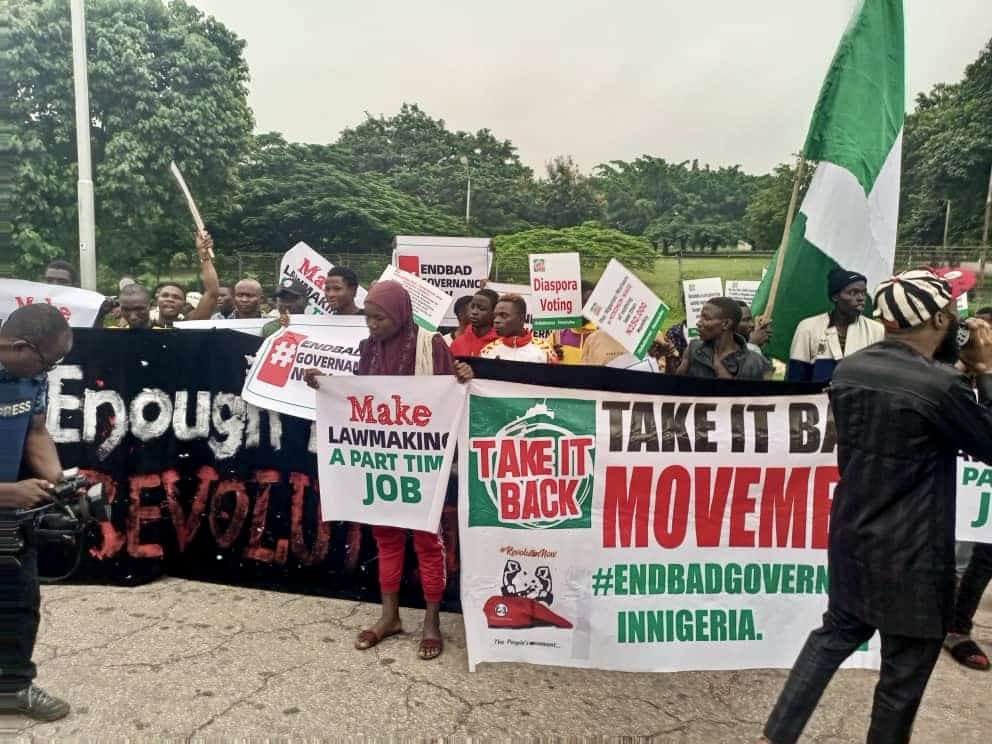
Abuja’s Streets Resonate with Protest: The People’s Unyielding Demand for Change

The #EndBadGovernance movement, a formidable wave of public dissent that has swept across Nigeria in recent times, has resurfaced in the heart of the nation. On Saturday, August 10, 2024, Abuja, the Federal Capital Territory, became the epicentre of renewed protests as thousands of citizens once again took to the streets. Their voices, united in a chorus of discontent, echoed through the Central Business District and beyond, demanding urgent government action on pressing issues like hunger, insecurity, and the controversial removal of fuel subsidies.
The protest, which had been temporarily subdued due to a series of aggressive police raids and the arrest of key organizers, reignited with a fervor that defied the government’s attempts to quash the movement. This resurgence comes as the grand finale of a nationwide protest that began on August 1, with a planned one million-man march marking the climax of the demonstrations.
A Nation on Edge: The Underlying Causes of the Protests
At the heart of the #EndBadGovernance protests lies a deep-seated frustration with the current administration’s handling of the nation’s affairs. The protesters’ grievances are manifold, encompassing everything from the government’s failure to address the rampant insecurity plaguing the country to the crippling effects of economic policies that have exacerbated poverty and inequality.
The recent removal of fuel subsidies, a decision that has sent shockwaves through the economy, has been a particularly contentious issue. The policy, which was intended to alleviate the government’s fiscal burden, has instead led to skyrocketing fuel prices, further straining the already tenuous livelihoods of millions of Nigerians. For many, this was the final straw, a clear indication that the government is out of touch with the realities faced by ordinary citizens.
The hunger crisis, another key issue driving the protests, has reached alarming levels. In a country blessed with abundant natural resources, the fact that so many citizens are struggling to afford basic necessities is seen as a damning indictment of the government’s priorities. The protesters’ demands for an end to hunger and for the government to take decisive action to address the root causes of poverty and food insecurity are not only justified but urgent.
The Government’s Response: A Strategy of Suppression
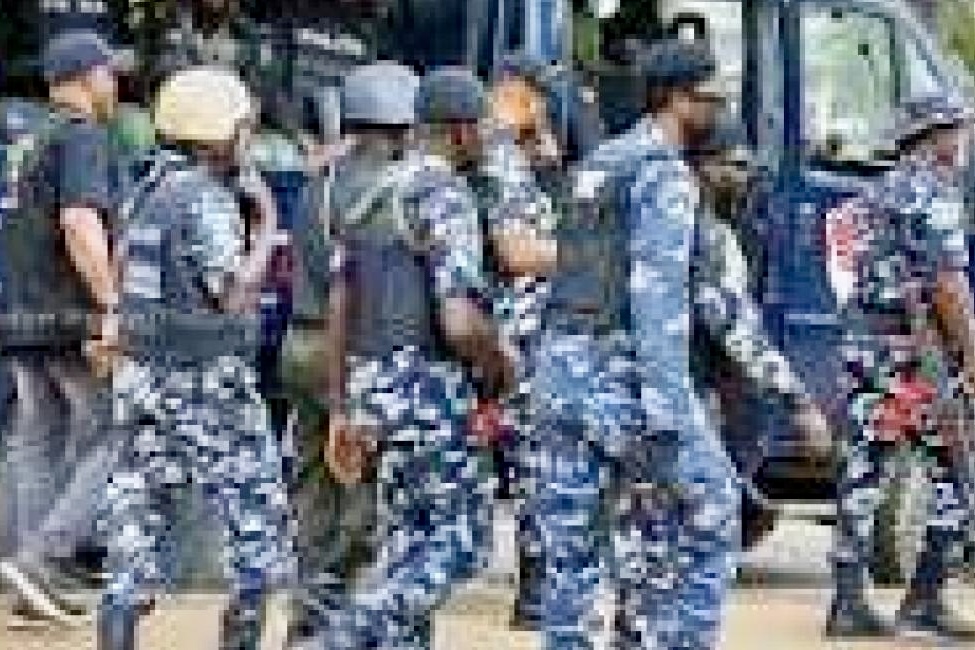
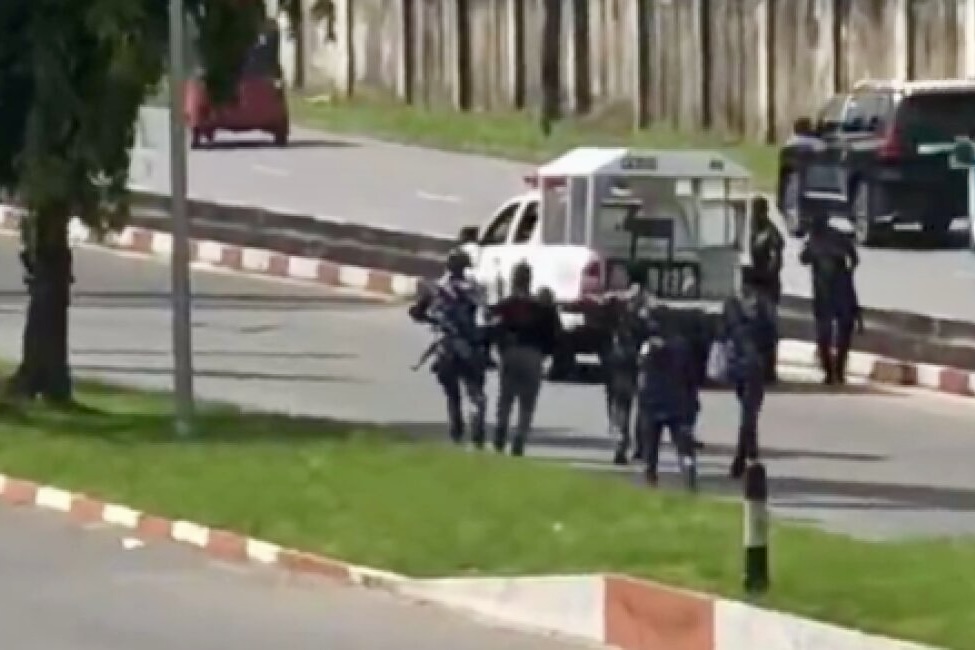
In response to the protests, the Nigerian government has adopted a strategy that has been criticized as heavy-handed and counterproductive. The deployment of security forces to intimidate and suppress protesters has only served to inflame tensions, with many viewing the government’s actions as an affront to their democratic rights.
The arrests of key protest organizers, along with the raids on their residences, have drawn widespread condemnation from human rights organizations both within Nigeria and internationally. These actions, which are reminiscent of the repressive tactics employed by previous military regimes, have only strengthened the resolve of the protesters, who see their struggle as a fight for the very soul of the nation.
The heavy security presence observed around key locations in Abuja, such as the Central Business District and Eagles Square, is indicative of the government’s determination to prevent the protests from gaining further momentum. However, this approach has done little to quell the unrest. If anything, it has only galvanized the movement, with protesters viewing the government’s attempts to stifle dissent as further evidence of the need for systemic change.
The Role of Social Media: Amplifying the Voices of the Oppressed
Social media has played a pivotal role in the #EndBadGovernance movement, providing a platform for organizers to mobilize support, share information, and expose the government’s attempts to suppress the protests. The hashtag #EndBadGovernanceInNigeria has trended consistently on platforms like Twitter and Instagram, with millions of Nigerians and supporters from the diaspora using it to voice their discontent and demand accountability.
The power of social media in this context cannot be overstated. In a country where traditional media outlets are often subject to government censorship and intimidation, social media has emerged as a vital tool for amplifying the voices of the oppressed. Through the use of live streams, viral posts, and coordinated online campaigns, the protesters have been able to keep the momentum of the movement alive, even in the face of government crackdowns.
This digital activism has also helped to bring international attention to the protests, with global media outlets picking up on the stories being shared online. This has, in turn, put additional pressure on the Nigerian government to address the issues at the heart of the protests and to refrain from further human rights abuses.
A Nation at a Crossroads: The Need for Genuine Reform
The #EndBadGovernance protests have laid bare the deep divisions and systemic failures that have plagued Nigeria for decades. The government’s response to the protests has been symptomatic of a broader unwillingness to engage with the legitimate concerns of its citizens. Rather than addressing the root causes of the discontent, the government has opted for a strategy of suppression, hoping to quell the unrest through force rather than dialogue.
This approach is not only unsustainable but dangerous. Nigeria is a nation at a crossroads, and the decisions made by those in power in the coming days and weeks will have far-reaching consequences. The protesters’ demands for an end to bad governance, for action on hunger and insecurity, and for the reversal of harmful economic policies are not just calls for immediate relief, but for a fundamental rethinking of the way the country is governed.
For too long, the Nigerian government has operated with a disconnect between the rulers and the ruled. The #EndBadGovernance movement represents a powerful challenge to this status quo, a demand for a new social contract in which the needs and aspirations of the people are placed at the center of governance.
The International Community: A Call for Support
As the protests continue to unfold, the role of the international community will be crucial. Nigeria is a key player in the African continent and its stability is of global significance. The international community must therefore not turn a blind eye to the events unfolding in Abuja and across the country.
Human rights organizations, foreign governments, and international bodies must hold the Nigerian government accountable for its actions. This includes condemning the use of force against peaceful protesters, calling for the release of those unjustly detained, and pressing for genuine dialogue between the government and the protest movement.
Furthermore, the international community should provide support to civil society organizations and grassroots movements within Nigeria that are working to promote democracy, human rights, and good governance. This support could take the form of financial aid, capacity-building initiatives, and diplomatic pressure on the Nigerian government to respect the rights of its citizens.
Looking Ahead: The Future of the #EndBadGovernance Movement
As the #EndBadGovernance protests draw to a close, at least in their current phase, it is clear that the issues that have driven thousands of Nigerians to the streets are far from resolved. The movement has highlighted the urgent need for comprehensive reform in Nigeria, but the path forward remains uncertain.
What is certain, however, is that the protesters have succeeded in bringing national and international attention to the issues that have long plagued the country. The government can no longer ignore the demands of its citizens, nor can it continue to govern as though the voices of the people do not matter.
The #EndBadGovernance movement may have begun as a protest against specific grievances, but it has evolved into something much larger—a call for a new vision for Nigeria, one that is rooted in justice, equity, and true democracy.
As Nigeria stands at this critical juncture, the choices made by its leaders will determine the future of the nation. Will the government heed the call for change and embark on a path of genuine reform, or will it continue to cling to a broken system that serves only the few at the expense of the many? The answer to this question will shape the destiny of Nigeria for generations to come.
In the end, the #EndBadGovernance movement is a testament to the power of the people, a reminder that in a democracy, the government is accountable to the governed. The protesters have spoken, and their message is clear: the time for change is now. Whether the government will listen remains to be seen.