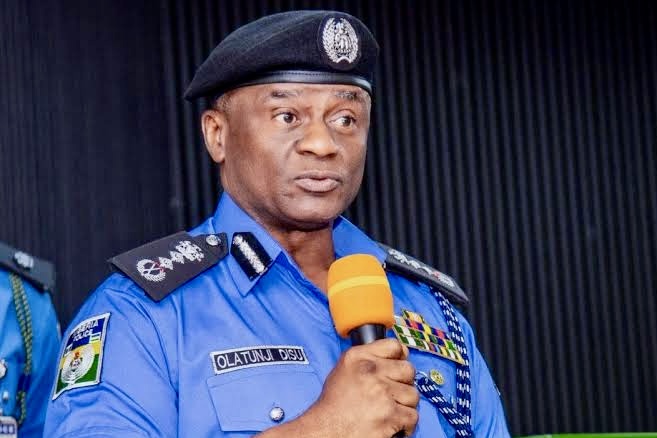
The Nigeria Police Force is divided. Reports indicate that Inspector General Tunji Disu has authorised a low key pulling out parade for his predecessor, Kayode Egbetokun. This happens despite allegations of abuse of office and financial mismanagement that shadowed Egbetokun’s exit, according to an exclusive report by SaharaReporters.
The arrangement is described by senior officers as a “soft landing.” It has ignited anger among many within the force. This has raised fresh questions about internal accountability.
Egbetokun’s removal from office occurred during a time of intense public scrutiny. Media reports highlighted alleged misappropriation and opaque transfers in the final days of his tenure.
Several outlets and police sources reported that the change at the top was abrupt. Preparations were already underway for a handover to Disu.
Those accounts have shaped the perception that any ceremonial honour for the outgoing chief will be controversial.
The legal framework that governs the tenure of an Inspector General is central to the debate. Recent amendments to the Police Act establish a secure four year term for an appointed IGP. This tenure is independent of the officer’s age for the duration of the appointment.
That provision underpinned the confirmation of Disu. It explains why his term may extend well beyond the mandatory retirement age previously applied to serving officers.
The clause has become a political and institutional reference point in discussions about continuity and oversight.
Senior officers who oppose a send off say the optics are damaging. They argue that a ceremonial farewell for a leader who departed under allegations of financial impropriety will be perceived differently. It may signal that the institution protects its own at the expense of transparency.
Supporters of a discreet event argue that a low-profile ceremony reduces public spectacle. It also minimizes the risk of confrontation within the ranks.
The dispute exposes a deeper tension. This tension is between esprit de corps and a growing demand for external accountability from civil society. It also involves oversight bodies.
Sources quoted by the reporting outlet that first disclosed the plan say the arrangement was reached within the force leadership. This was a compromise intended to allow a dignified exit. It also helps to avoid headlines.
Those sources also claim that certain informal networks within the force exerted pressure to secure a ceremonial send off.
Allegations of last minute loyalist transfers and internal reshuffles have added fuel to the controversy.
The first days of Disu’s leadership have already seen a rapid reorganisation at the police headquarters.
Reported changes to senior posts are evident. Modifications in communications units also reflect the early pattern. A new command seeks to establish control.
The Force Public Relations Officer was removed. A new media office was created. These changes were noted as part of this wave of adjustments.
Observers say such moves are normal after a handover but also warn that they can be used to pre-empt scrutiny.
Some insiders advance a key line of suspicion. They believe that a discreet send off could form part of an informal arrangement. This arrangement may protect senior officers from unwelcome audits.
The claim is that political and personal networks inside the force value cohesion and mutual protection. Ceremonial honours are sometimes used to smooth exits. These exits might otherwise invite inquiries.
Those who raise the concern insist that only transparent audit processes and, where necessary, independent investigations will restore confidence.
Civil society groups and rights lawyers have urged immediate publication of audit plans and clear lines of accountability.
They say that institutional rituals should not be allowed to preclude formal scrutiny of alleged wrongdoing.
The demand is simple. If allegations exist they must be investigated openly and fairly. If there is no substance to the claims, then a public refutation and documentary proof should follow.
What to watch next
• The Nigeria Police Force will make an official statement. They will address whether a pulling out parade will take place. They will also discuss the scale of any event.
• Any announcements from the Presidency clarifying its role or knowledge of the arrangements.
• Publication of audit schedules or the opening of inquiries into financial management during Egbetokun’s tenure.
• Documentary evidence such as invitations, orders or internal memoranda that would corroborate or refute claims of a planned ceremony.
Assessment and implications
A low key send off for a scandal-tainted predecessor is more than a matter of protocol. It is a test of how the command will balance tradition. At the same time, it meets the urgent need for transparent fiscal management. Additionally, there is a need for institutional reform.
The police leadership faces an immediate reputational challenge. If the force allows ritual to crowd out scrutiny it risks deepening public mistrust.
If the force responds with credible audits and clear communications the episode could become an inflection point for reform.
Follow us on our broadcast channels today!
- WhatsApp: https://whatsapp.com/channel/0029VawZ8TbDDmFT1a1Syg46
- Telegram: https://t.me/atlanticpostchannel
- Facebook: https://www.messenger.com/channel/atlanticpostng