By Editor
Nigeria is no stranger to political turmoil and civil unrest. However, the recent exchange between former Vice President Atiku Abubakar and President Bola Tinubu over the shooting of a 16-year-old protester and the broader #EndBadGovernanceInNigeria movement has brought the nation’s challenges to a boiling point. This report delves into the complexities of the situation, offering a critical perspective on the unfolding drama.

Atiku Abubakar’s Explosive Warning: A Call for Accountability
On August 6, 2024, Atiku Abubakar issued a stern and fiery warning to Nigeria’s military leaders. He cautioned that those authorizing lethal force against peaceful protesters would be held accountable for crimes against humanity, even after their retirement. “The constitutional right to engage in protest is firmly established within our supreme law and reinforced by the judiciary,” Atiku emphasized, urging the government and security agencies to ensure the safety of peaceful demonstrators.
Atiku’s Full Statement
“I wish to convey a stern caution to the distinguished service chiefs and military commanders of Nigeria’s armed forces that those who authorize the use of lethal force against peaceful civilian protesters will be held responsible for committing crimes against humanity, even in the years following their retirement from service. The constitutional right to engage in protest is firmly established within our supreme law and reinforced by the judiciary. It is the solemn duty of the government and security agencies to ensure a safe and protected environment for individuals exercising their right to peaceful protest.”
Tinubu Administration’s Fiery Response: A Defensive Stance
In a swift and sharp response, President Bola Tinubu, through his Special Adviser on Information and Strategy, Bayo Onanuga, launched a blistering critique of Atiku’s statement. Onanuga accused Atiku of diminishing his own status and supporting looters and arsonists disguised as protesters. The administration defended the security forces, claiming they had shown professionalism and restraint despite extreme provocation.
Onanuga’s Rebuttal
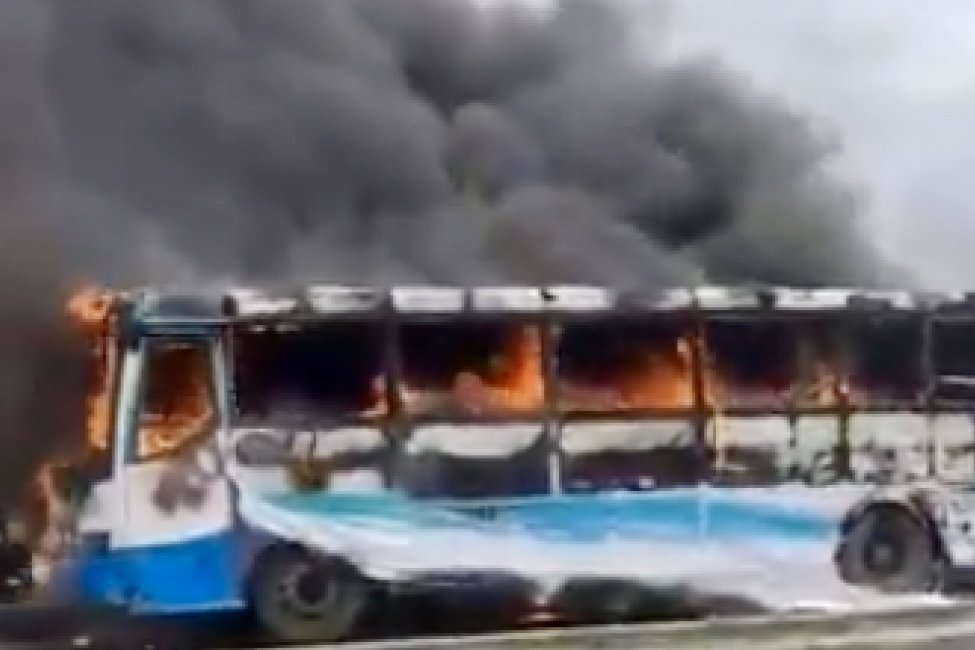
“Former Vice President Atiku Abubakar this evening tweeted the absurd, warning security agencies against using lethal force against looters and arsonists who masqueraded as protesters. As a statesman, his warning ought to have been issued to the looting mob in Kaduna, Kano, Plateau, Jigawa states, who hijacked what was advertised by organizers as a peaceful protest.”
The Legal Battleground: Constitutional Rights vs. Public Safety
At the heart of the debate lies the interpretation of Nigeria’s constitution. Atiku cited Section 40, which guarantees the right to peaceful assembly and protest. However, Onanuga countered with Section 45, which allows these rights to be abridged in the interest of public peace, safety, law, and order.
Section 40 vs. Section 45
- Section 40: “Every person shall be entitled to assemble freely and associate with other persons, and in particular he may form or belong to any political party, trade union, or any other association for the protection of his interests.”
- Section 45: “Nothing in sections 37, 38, 39, 40 and 41 of this Constitution shall invalidate any law that is reasonably justifiable in a democratic society in the interest of defence, public safety, public order, public morality, or public health; or for the purpose of protecting the rights and freedom of other persons.”
The Broader Context: #EndBadGovernanceInNigeria Movement
The #EndBadGovernanceInNigeria movement is a continuation of the widespread protests that began in 2020 with the #EndSARS campaign. While initially focused on police brutality, the movement has evolved to address broader issues of constitutional grievances, corruption, poor governance, and economic hardship.
Key Issues
- Constitutional Grievances: There is a growing call for the termination of the country’s military-era imposed constitution, which makes provisions for unitary approach in a country that was founded as a Federation on robust federal principles.
- Corruption: Rampant corruption at all levels of government continues to plague Nigeria, eroding public trust.
- Economic Hardship: Despite being Africa’s largest economy, a significant portion of the Nigerian population lives in poverty.
- Poor Governance: Inadequate infrastructure, lack of basic services, and inefficiency in public administration are major concerns.
The Tragic Death of Ismail Mohammed: A Catalyst for Outrage
The incident that ignited the latest wave of protests was the shooting of 16-year-old Ismail Mohammed by a soldier in Kaduna. The Nigerian Army acknowledged the tragedy and arrested the soldier involved, but the damage was done. The death of a young protester became a symbol of the state’s heavy-handed approach to civil dissent.
Atiku’s Criticism: A Historical Perspective
Atiku Abubakar has a long history of advocating for civil liberties and criticizing government overreach. His recent statement is consistent with his past positions, emphasizing the importance of accountability and the rule of law.
Tinubu’s Defense: Navigating a Crisis
President Tinubu’s administration has been under immense pressure to address the protests and restore order. The government’s defensive stance highlights the challenges it faces in balancing security concerns with respecting civil liberties.
Public Reaction: A Nation Divided
The exchange between Atiku and Tinubu has polarized public opinion. Supporters of Atiku praise his unwavering stance on human rights, while Tinubu’s supporters commend the administration’s efforts to maintain law and order.
Media Coverage: Shaping the Narrative
The media plays a crucial role in shaping public perception of the protests and the government’s response. Sensational headlines and dramatic coverage have fueled the debate, with both sides using media platforms to advance their narratives.
International Perspective: Global Reactions
The international community has been closely watching the developments in Nigeria. Human rights organizations have condemned the use of lethal force against protesters, while foreign governments have called for restraint and dialogue.
Path Forward: Recommendations for Peace and Stability
1. Dialogue and Mediation
The government should engage in open dialogue with protest leaders and civil society groups to address grievances and find common ground.
2. Independent Investigations
Establishing an independent commission to investigate incidents of violence and hold perpetrators accountable is crucial for restoring public trust.
3. Security Sector Reform
Comprehensive reforms are needed to ensure that security forces respect human rights and operate within the bounds of the law.
4. Economic and Social Reforms
Addressing the root causes of the protests requires substantive economic and social reforms to improve living conditions and reduce inequality.
Conclusion: A Nation at a Crossroads
Nigeria stands at a critical juncture. The clash between Atiku Abubakar and Bola Tinubu over the #EndBadGovernanceInNigeria protests is emblematic of broader societal tensions. The path forward requires a commitment to justice, accountability, and meaningful reform. Only through dialogue and concerted efforts to address the underlying issues can Nigeria hope to achieve lasting peace and stability.