Editor

The arraignment of 10 #EndBadGovernance protesters by the Federal Government on charges of treasonable felony raises critical questions about the state of democracy and civil rights in Nigeria. September 2, 2024. 
The arraignment of 10 #EndBadGovernance protesters by the Federal Government on charges of treasonable felony raises critical questions about the state of democracy and civil rights in Nigeria. September 2, 2024.


Introduction: A Stark Reminder of the Cost of Dissent
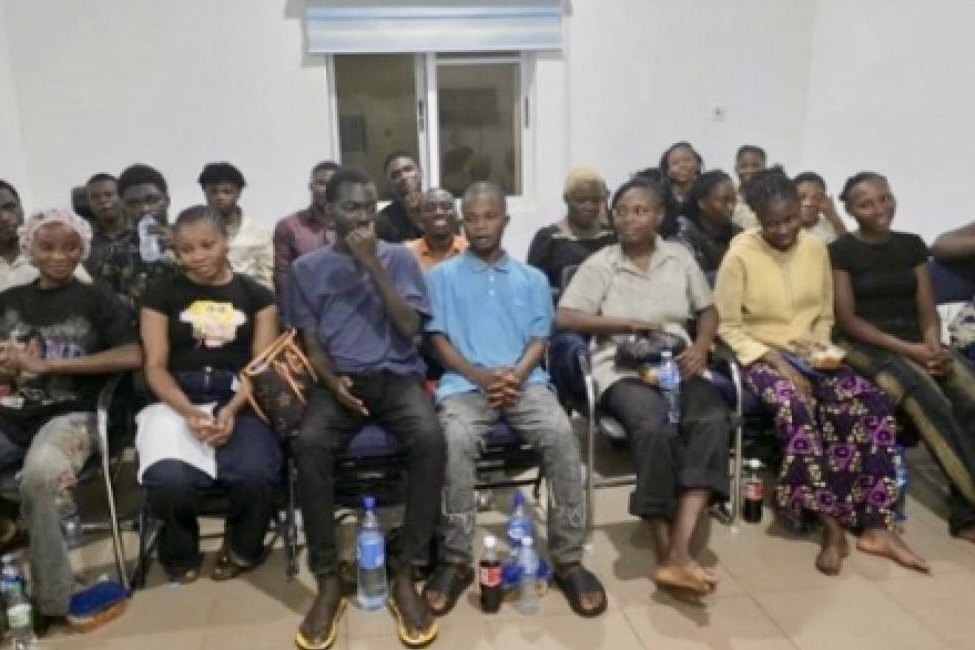
In a country where the struggle for democracy and civil liberties has been a long and arduous journey, the remand of #EndBadGovernance protesters in Kuje Correctional Centre marks a significant and alarming moment in Nigeria’s political history. On Monday, the Federal High Court in Abuja, under the watchful eyes of Justice Emeka Nwite, ordered the detention of these protesters after they were charged with treason, a grave accusation that underscores the government’s increasing intolerance for dissent. The protesters, who have been vocal in their criticism of the government, now find themselves facing the full force of the state, with their fate hanging in the balance as they await a bail hearing on September 11, 2024.
This case is more than just a legal battle; it is a reflection of the broader political climate in Nigeria, where citizens’ rights to free expression and peaceful assembly are under severe threat. The government’s response to the #EndBadGovernance movement has been swift and brutal, raising critical questions about the future of democracy in the country. In this report, we delve into the details of the case, the implications for the protesters, and what this means for Nigeria’s political landscape.
The Arrests: A Crackdown on Dissent
The #EndBadGovernance movement, which began as a grassroots campaign against perceived governmental incompetence and corruption, quickly gained traction across Nigeria. Protesters, frustrated by years of poor governance, took to the streets in Abuja, Kaduna, Kano, and Gombe, demanding accountability and reforms. However, their calls for change were met with a heavy-handed response from the government.
On August 22, 2024, a Federal High Court order permitted the arrest and detention of several key figures in the movement. These protesters were accused of planning to destabilise the nation—a charge that many see as a blatant attempt to stifle opposition. Among those arrested were prominent activists, including Michael Tobiloba Adaramoye, Adeyemi Abiodun Abayomi, and Suleiman Yakubu, all of whom have now been charged with treasonable felony.
The decision to charge these protesters with treason, a crime punishable by death, has sent shockwaves through the country. It signals a worrying trend in which the government is increasingly using the judiciary to silence dissent and intimidate its critics. The remand of these protesters in Kuje Prison, a facility notorious for its harsh conditions, further amplifies the sense of injustice and fear.
Justice Emeka Nwite: The Man Behind the Gavel
Justice Emeka Nwite, who is presiding over this case, is no stranger to high-profile political trials. Known for his strict adherence to the letter of the law, Nwite has a reputation for being both impartial and unyielding. However, his role in this case is under intense scrutiny, as the decision to remand the protesters in Kuje Prison has raised concerns about the judiciary’s independence.
Critics argue that Nwite’s decision to postpone the bail hearing until September 11, 2024, effectively condemns the protesters to a month in detention without a fair trial. This move has been interpreted by some as a tactic to weaken the resolve of the protesters and their supporters. By prolonging their time in custody, the government may be hoping to quash the momentum of the #EndBadGovernance movement.
Yet, others believe that Nwite is simply following due process, ensuring that all legal avenues are explored before making a final judgment. The upcoming bail hearing will be a crucial test of the judiciary’s ability to remain independent in the face of political pressure.
Kuje Prison: The Grim Reality
Kuje Correctional Centre, where the protesters are being held, is one of Nigeria’s most infamous prisons. Located on the outskirts of Abuja, it is known for its overcrowded cells, inadequate medical facilities, and harsh living conditions. For the #EndBadGovernance protesters, being remanded in Kuje is not just a legal setback—it is a profound personal ordeal.
Reports from human rights organisations have documented the inhumane conditions in Kuje, where detainees often face mistreatment and neglect. The protesters, many of whom have been vocal about their opposition to the government, may be at risk of further harassment while in custody. The psychological toll of being imprisoned in such a facility cannot be overstated, and it raises serious concerns about their well-being.
The decision to remand the protesters in Kuje rather than release them on bail has been criticised as excessively punitive. For many, it is yet another indication of the government’s determination to crush dissent by any means necessary.
The Charges: Treason and Terrorism
The charges against the #EndBadGovernance protesters are severe. Treason, defined as the betrayal of one’s country by attempting to overthrow the government, is one of the gravest offences under Nigerian law. The Federal Government has accused the protesters of engaging in activities that amount to an attempt to destabilise the nation, including organising protests that allegedly threatened national security.
In addition to treason, the protesters face charges related to terrorism—a term that has been increasingly used by the government to describe political activism. The six-count charge against them includes allegations of plotting to incite violence and disrupt public order. These charges are not only legally complex but also politically charged, as they reflect the government’s broader strategy of conflating dissent with criminality.
Legal experts have pointed out that the government’s case is built on a precarious foundation, relying heavily on the interpretation of protest activities as acts of terrorism. The outcome of this case will hinge on whether the court accepts this interpretation, which has far-reaching implications for civil liberties in Nigeria.
The Defence: Fighting Back
The protesters have not taken the charges against them lying down. Represented by a team of seasoned lawyers, including the renowned human rights advocate Femi Falana, they have mounted a robust defence. In their initial plea, all ten defendants categorically denied the charges, insisting that their protests were peaceful and constitutionally protected.
Falana, who has a long history of defending political activists, has argued that the charges are a gross misuse of the legal system. He has filed a motion to challenge the legality of the remand order, claiming that the ex-parte application on which it was based was flawed and constituted an abuse of the court process. Falana has also criticized the government’s handling of the case, accusing it of suppressing dissent and violating the protesters’ fundamental rights.
The defence team’s strategy is clear: to expose the weaknesses in the government’s case and to frame the protesters as victims of political persecution. They have emphasised that the right to protest is enshrined in the Nigerian Constitution and that the government’s actions are a blatant infringement on this right.
The upcoming bail hearing will be a critical moment in the defence’s efforts to secure the release of the protesters. If the court grants bail, it will be seen as a victory for civil liberties and a rebuke to the government’s heavy-handed tactics. However, if the court denies bail, it could signal a protracted legal battle that may have serious consequences for the future of political activism in Nigeria.
The Broader Implications: A Chilling Effect on Activism
The case against the #EndBadGovernance protesters is more than just a legal issue—it is a test of Nigeria’s democratic resilience. The charges of treason and terrorism, coupled with the harsh treatment of the protesters, are likely to have a chilling effect on political activism in the country.
For many Nigerians, the case serves as a stark reminder of the risks associated with speaking out against the government. The fear of being arrested, detained, or even charged with treason may deter others from participating in protests or engaging in political discourse. This could lead to a significant decline in civic engagement, weakening the democratic fabric of the nation.
The government’s response to the #EndBadGovernance movement also raises questions about the state of democracy in Nigeria. The use of repressive tactics to silence dissent is a troubling sign that the government may be willing to sacrifice democratic principles in order to maintain control. If this trend continues, Nigeria could see a regression in its democratic development, with more power concentrated in the hands of the executive and less space for opposition voices.
The Role of Civil Society: Rallying for Justice
Despite the challenges, civil society organisations in Nigeria have not remained silent. Human rights groups, legal advocacy organisations, and grassroots activists have rallied in support of the #EndBadGovernance protesters, calling for their immediate release and an end to the government’s repressive tactics.
These groups have organised protests, issued statements, and engaged in advocacy to draw attention to the plight of the protesters. They have also sought to raise awareness about the broader issues of governance, corruption, and human rights abuses that the #EndBadGovernance movement seeks to address.
International organisations and foreign governments have also taken notice of the situation. There have been calls for Nigeria to uphold its commitments to human rights and democratic governance, with some suggesting that the country could face diplomatic consequences if the situation does not improve.
The support of civil society will be crucial in sustaining the momentum of the #EndBadGovernance movement. By keeping the issue in the public eye and advocating for justice, these groups can help to prevent the case from being swept under the rug by those in power. The battle for justice is as much a fight in the court of public opinion as it is in the courtroom, and the role of civil society in shaping that narrative cannot be overstated.
The Government’s Perspective: A Question of National Security?
From the government’s standpoint, the crackdown on the #EndBadGovernance protesters is framed as a necessary measure to preserve national security. The administration has repeatedly emphasised the need to maintain law and order, particularly in the face of what it describes as threats to the nation’s stability. The government argues that the protests, far from being peaceful demonstrations, were part of a coordinated effort to incite unrest and destabilise the country.
Officials have pointed to the protesters’ use of social media and other platforms to organise and mobilise support as evidence of a larger conspiracy. The charges of treason and terrorism, they argue, are justified by the protesters’ alleged attempts to undermine the government and incite violence. In the government’s view, these actions posed a direct threat to the nation’s security and warranted a strong response.
However, this narrative has been met with skepticism by many Nigerians, who see it as an overreach by the government to suppress legitimate dissent. Critics argue that the government’s actions are less about maintaining security and more about silencing opposition. The use of heavy-handed tactics, such as the arrest and detention of protesters, has been widely condemned as a violation of basic human rights and a breach of democratic norms.
The government’s approach to the #EndBadGovernance movement reflects a broader trend in Nigerian politics, where dissent is often met with repression. The administration’s stance raises important questions about the balance between security and civil liberties, and whether the government’s actions are truly in the interest of the people.
The Legal Landscape: Precedents and Potential Outcomes
The case against the #EndBadGovernance protesters is being closely watched by legal experts and political analysts alike, as it has the potential to set important precedents for future cases involving political dissent. The charges of treason and terrorism are among the most serious that can be brought against individuals in Nigeria, and the way this case is handled could have far-reaching implications for the legal treatment of protesters and activists.
One of the key legal issues at play is the interpretation of what constitutes treason and terrorism under Nigerian law. The defence team, led by Femi Falana, is likely to challenge the government’s broad interpretation of these terms, arguing that the protesters’ actions do not meet the legal criteria for such serious charges. If the court accepts this argument, it could lead to a significant narrowing of the legal definition of treason and terrorism, providing greater protection for political activists in the future.
Conversely, if the court upholds the charges, it could set a dangerous precedent that could be used to justify further crackdowns on dissent. This would have a chilling effect on political activism in Nigeria, as individuals would be deterred from participating in protests or expressing their views for fear of being charged with treason or terrorism.
The outcome of this case will also have implications for the broader relationship between the government and the judiciary. If the court is seen to be acting independently and in accordance with the law, it could bolster public confidence in the judiciary as a check on executive power. However, if the court is perceived to be acting under pressure from the government, it could further erode trust in the legal system and reinforce concerns about the erosion of democratic institutions in Nigeria.
The International Dimension: Global Reactions and Consequences
The arrest and detention of the #EndBadGovernance protesters have not gone unnoticed on the international stage. Human rights organisations, foreign governments, and international bodies have expressed concern about the situation, with some calling for the immediate release of the protesters and others urging the Nigerian government to respect the rights to free expression and peaceful assembly.
The case has the potential to strain Nigeria’s diplomatic relations with key international partners, particularly those who prioritise human rights and democratic governance in their foreign policy. The government’s handling of the protests and the subsequent legal proceedings could be seen as a litmus test for Nigeria’s commitment to upholding international human rights standards. If the government is perceived as violating these standards, it could face diplomatic repercussions, including potential sanctions or a reduction in foreign aid.
Moreover, the international community’s response could influence the outcome of the case itself. Increased global attention and pressure may encourage the Nigerian judiciary to approach the case with greater caution, ensuring that the proceedings are fair and transparent. Conversely, if the government perceives that it has the support of key international allies, it may feel emboldened to continue its crackdown on dissent without fear of significant consequences.
The role of international organisations, such as the United Nations and the African Union, will also be important in shaping the outcome of this case. These organisations have the capacity to apply diplomatic pressure on the Nigerian government and to raise awareness of the situation on a global scale. Their involvement could help to ensure that the rights of the protesters are upheld and that the legal proceedings are conducted in accordance with international standards.
The Public Response: A Nation Divided
The case against the #EndBadGovernance protesters has sparked intense debate across Nigeria, highlighting deep divisions within the country. On one side are those who support the government’s actions, viewing the protests as a threat to national stability and arguing that the government has a responsibility to maintain order. These individuals often emphasise the importance of security and are wary of any actions that could lead to chaos or unrest.
On the other side are those who see the government’s response as a gross violation of civil liberties and a dangerous step towards authoritarianism. These critics argue that the right to protest is fundamental to a functioning democracy and that the government’s actions are an attempt to silence dissent and maintain power by any means necessary. They warn that the suppression of political activism could lead to increased disillusionment with the government and further polarisation within the country.
The public’s response to the case has also been shaped by broader concerns about governance and corruption in Nigeria. Many of those who support the #EndBadGovernance movement see the case as part of a larger struggle against a political system that they believe is failing the people. For these individuals, the protesters are not just defendants in a legal case, but symbols of a broader fight for justice and accountability.
The outcome of the case will likely have a significant impact on public opinion in Nigeria, influencing how people view the government, the judiciary, and the state of democracy in the country. If the protesters are released, it could be seen as a victory for civil liberties and a sign that the government is willing to listen to the concerns of its citizens. However, if they are convicted, it could lead to increased anger and frustration among those who feel that their voices are being ignored.
Conclusion: The Future of Democracy in Nigeria
As the #EndBadGovernance protesters await their bail hearing, the stakes could not be higher. This case is not just about the fate of ten individuals—it is about the future of democracy in Nigeria. The government’s response to the protests, the charges of treason and terrorism, and the treatment of the protesters in custody all raise fundamental questions about the direction in which the country is heading.
Will Nigeria continue on its current path, where dissent is met with repression and the government uses the judiciary as a tool to silence opposition? Or will this case mark a turning point, where the rights of citizens to express their views and to hold their leaders accountable are upheld?
The coming weeks will be critical in determining the answers to these questions. The decision of the court, the actions of the government, and the response of the Nigerian people will all play a role in shaping the outcome of this case and, by extension, the future of the country.
As we approach the bail hearing on September 11, 2024, the world will be watching. The outcome of this case will send a powerful message about the state of democracy in Nigeria, and it will have lasting implications for the country’s political landscape. The fight for justice is far from over, and the #EndBadGovernance protesters remain at the forefront of that struggle. Their courage in the face of adversity is a reminder that the battle for democracy is never easy, but it is a fight that must be fought if Nigeria is to have a future that is truly free and democratic.