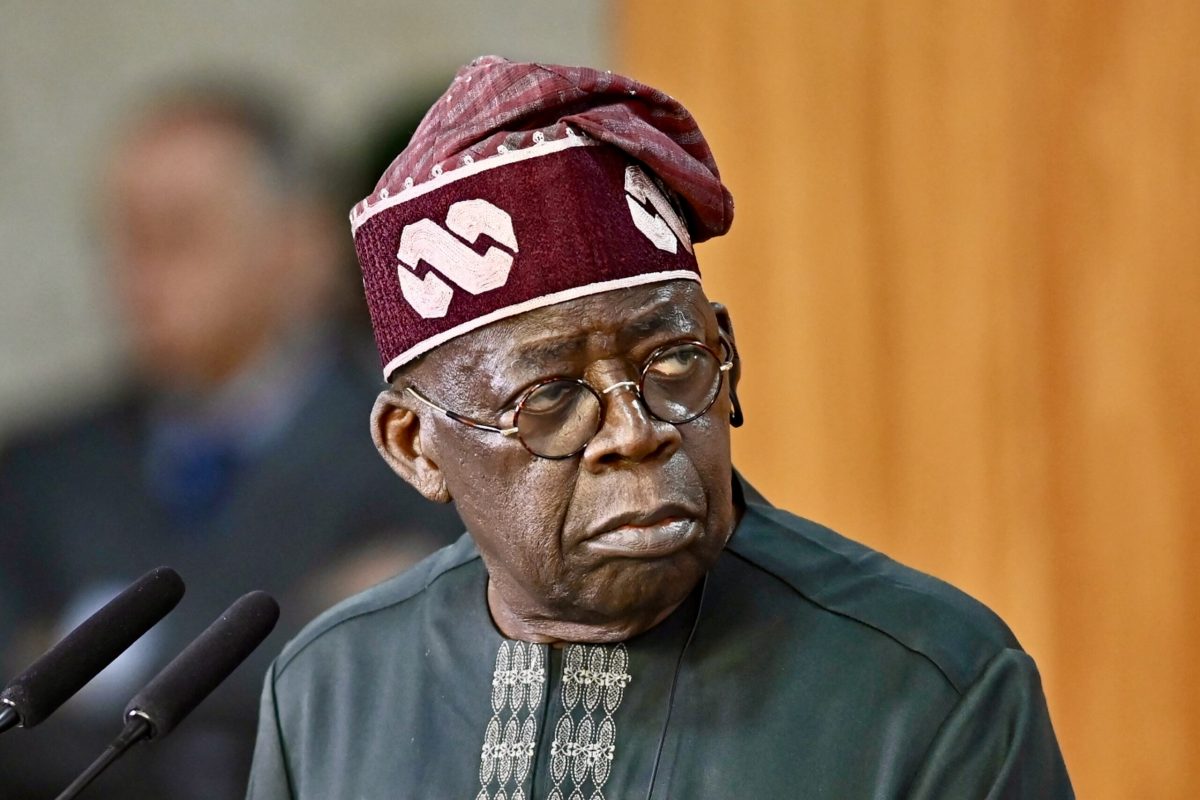
Former President Muhammadu Buhari, aged 82, passed away on Sunday afternoon at a hospital in the United Kingdom, his former spokesperson Mallam Garba Shehu confirmed in a terse statement to journalists.
Bashir Ahmad, another close aide, later announced the family’s decision and prayed: “May Allah accept him in Aljannatul Firdaus, Amin” on X.
Buhari’s death marks the end of a tumultuous political career spanning nearly four decades. A retired Major General, he first ruled Nigeria as military head of state from December 1983 to August 1985 before democratically serving two terms from May 2015 to May 2023.
His presidency was defined by an unyielding anti‑corruption crusade and an economic revival strategy, yet critics accuse him of presiding over record unemployment rates averaging 14% and inflation nearing 16% during his civilian tenure.
This tragedy also reignites debates over Nigeria’s medical tourism. Buhari’s regular treatments in London—most notably a 2017 six‑week hospitalisation—underscore systemic healthcare failures at home, prompting sharp criticism from civic groups and opposition figures.
As one commentator quipped, “Our leaders jet abroad while local patients languish” —a damning indictment of governance and infrastructure.
Reactions poured in swiftly. President Bola Tinubu hailed his predecessor as “a patriot who served with integrity,” while international observers recalled Buhari’s role in stabilising West African security against insurgency threats.
Islamic burial rites are expected in Daura, Katsina State, with details to follow.
Historically, Buhari becomes the third modern Nigerian president to die post‑office—Umaru Musa Yar’Adua succumbed to illness in May 2010 at 58, while Shehu Shagari died in Abuja aged 93 in December 2018—underscoring the mortal fragility behind political legacies.