Fresh claims that a detained Navy lieutenant commander is losing his sight in custody have thrown a darker shadow over Nigeria’s alleged coup case, where the Defence Headquarters has opened a General Court Martial for 36 serving personnel accused of mutiny and an attempt to overthrow President Bola Tinubu’s government.
The court martial was inaugurated on 24 April 2026, with the military insisting the process is meant to protect discipline, accountability and constitutional authority.
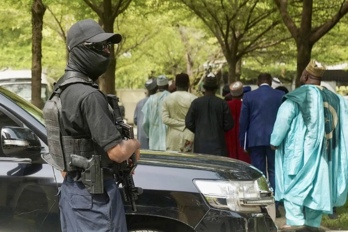
But the optics are already troubling. Journalists were denied access to the courtroom as the proceedings began behind closed doors in Abuja, reinforcing fears that the most sensitive security case in years is being handled out of public sight.
The Guardian and Premium Times both reported that the military says the process will still comply with fairness, impartiality and due process.
The wider case has now split into military and civilian tracks. Reuters and AP reported that six former security officials arraigned in Abuja on 22 April pleaded not guilty to 13 counts, including treason and terrorism, while a seventh suspect remains at large.
The charges allege a conspiracy to “levy war against the state”, and the court has adjourned further hearing to 27 April.
That public prosecution sits alongside a separate and more opaque military process that has already triggered protests from families.
The Cable and Punch reported that relatives of detained officers have demanded access to their loved ones, a speedy trial and an end to detention without charge, with protesters carrying placards accusing the authorities of injustice and prolonged detention.
The new health scare raises the stakes further. Reports circulating around the case allege that one detained officer is suffering severe deterioration in custody, while other detainees are said to be coping with harsh conditions and poor access to proper care.
Those allegations have not been independently verified, but they sharpen a wider question that now hangs over the case: whether national security concerns are being pursued without enough transparency, medical oversight and legal access.
For Tinubu, this is not just a mutiny case. It is a test of whether the state can confront an alleged coup plot without creating a second scandal over detention, secrecy and fair hearing.
Nigeria’s long memory of military rule makes every closed door and every denied visit politically combustible.
Follow us on our broadcast channels today!
- WhatsApp: https://whatsapp.com/channel/0029VawZ8TbDDmFT1a1Syg46
- Telegram: https://t.me/atlanticpostchannel
- Facebook: https://www.messenger.com/channel/atlanticpostng



