Governor Diri raises alarm over oil bunkering using women and children as shields, calls for urgent collaboration to combat illegal refining in Bayelsa State.
Governor Douye Diri’s Alarming Revelation

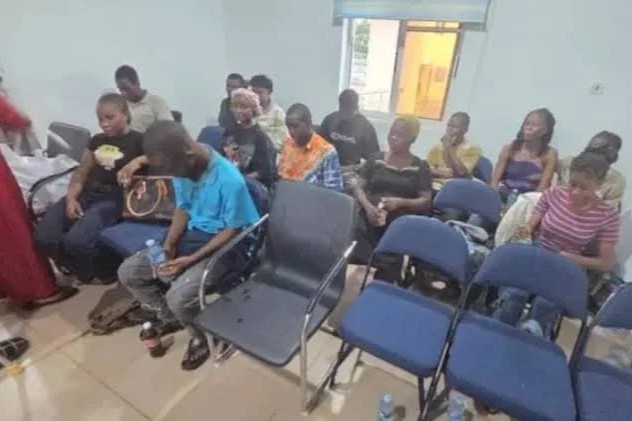
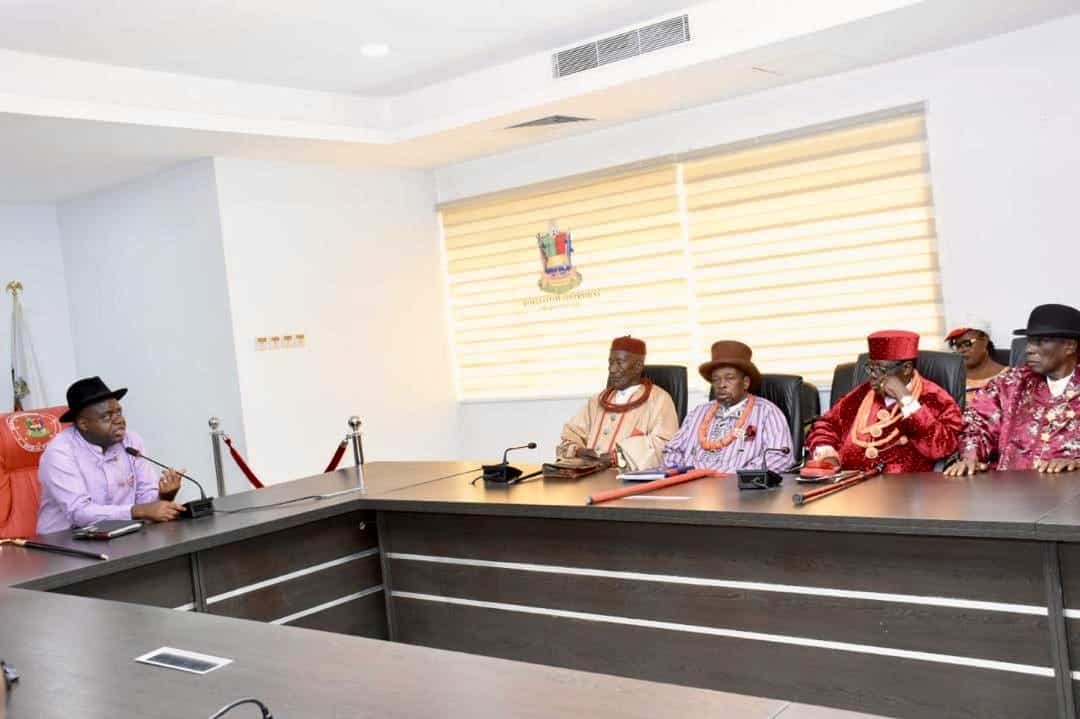
Governor Diri raises alarm over oil bunkering using women and children as shields, calls for urgent collaboration to combat illegal refining in Bayelsa State. Pix 1. Governor Diri raises alarm over oil bunkering using women and children as shields, calls for urgent collaboration to combat illegal refining in Bayelsa State. Pix 2. 
Governor Diri raises alarm over oil bunkering using women and children as shields, calls for urgent collaboration to combat illegal refining in Bayelsa State. Pix 3. Governor Diri raises alarm over oil bunkering using women and children as shields, calls for urgent collaboration to combat illegal refining in Bayelsa State. Pix 4


In an unsettling revelation, Governor Douye Diri of Bayelsa State has shed light on a disturbing dimension to the ongoing menace of illegal oil refining in the Niger Delta region. Speaking at a high-level meeting held at the Government House in Yenagoa with first-class traditional rulers and local government chairmen, the governor disclosed that children and women are increasingly being used as human shields at illegal refinery sites. This appalling tactic, reportedly uncovered during reconnaissance operations by security operatives, has added a troubling layer to the already dangerous activities of oil bunkering in Bayelsa.
Governor Diri’s statement underscores the escalating complexities of illegal oil refining in Southern Ijaw, Ekeremor, Brass, and Nembe council areas, where the practice continues to wreak havoc on human health, the environment, and the local economy. The governor’s call for collaborative action by traditional rulers, local government authorities, and security operatives highlights the need for a multi-stakeholder approach to tackle this urgent issue.
A New Low in Oil Bunkering Activities
“Reports I received recently reveal that at illegal bunkering sites, children and women are now being used as shields,” Governor Diri lamented. “This is a dimension I have never heard of before.” The governor further narrated how security personnel, upon approaching such sites for reconnaissance or intervention, often find children and women strategically placed to deter military action. This tactic has forced military operatives to withdraw from operations, creating a significant obstacle to combating illegal refining activities.
Governor Diri emphasised the need for traditional rulers to educate their subjects on the dangers of engaging in oil bunkering, not only to the environment but also to human life. He urged monarchs to report any illegal refinery sites in their domains directly to the government, stressing that such reports would enable swift and coordinated responses.
The Meeting That Set the Tone for Action
The governor’s remarks were made during a strategic meeting with traditional rulers and council chairmen, signalling a renewed commitment by the Bayelsa State Government to address the deep-rooted challenges posed by oil bunkering. The choice of stakeholders at the meeting was deliberate, as the state government recognises the critical role traditional rulers play in influencing community behaviours and reporting illegal activities.
Governor Diri’s plea is timely, given the rising environmental and security concerns stemming from illegal oil refining in the Niger Delta. With the region already grappling with severe environmental degradation and public health crises, the governor’s call for collaborative governance aims to address the root causes of the menace while fostering sustainable development.
Highlighting Vulnerable Populations
The involvement of children and women as shields in illegal refining camps introduces a human rights dimension to the issue. This development raises questions about the exploitation of vulnerable populations by criminal networks and underscores the urgent need for targeted interventions to protect lives and restore order.
In-Depth Analysis and Stakeholder Roles
The Environmental Toll of Illegal Refineries
Bayelsa State, often referred to as the “Glory of All Lands,” is renowned for its vast oil reserves and natural ecosystems. However, the illegal activities of oil bunkering and unregulated refining have led to severe environmental degradation. The crude methods employed in illegal refineries release toxic pollutants into the air, land, and waterways, posing significant threats to biodiversity and human health.
Governor Diri’s revelation about the use of children and women as shields further compounds the environmental crisis with a stark humanitarian dimension. The Southern Ijaw, Ekeremor, Brass, and Nembe areas, known hotspots for illegal refining, are now scenes of dual tragedies: ecological devastation and the exploitation of vulnerable populations.
The toxic byproducts from illegal refining pollute rivers and farmlands, reducing agricultural productivity and contaminating drinking water sources. These environmental hazards are long-lasting, with communities in affected areas facing chronic health conditions such as respiratory illnesses, skin diseases, and cancer.
Security Challenges and Human Rights Concerns
The governor’s statement underscores the complex security challenges posed by illegal oil refining. The use of women and children as shields is a deliberate strategy by criminal networks to evade law enforcement and military intervention. This tactic not only jeopardizes the lives of those exploited but also places security operatives in ethical dilemmas.
The Niger Delta region has long been a theater of conflict between militant groups, oil companies, and government forces. While significant progress has been made in reducing large-scale insurgencies, the persistence of illegal refining underscores the need for continuous security reforms.
The exploitation of women and children violates fundamental human rights and highlights the broader socioeconomic issues in the region. Poverty, unemployment, and lack of education are driving factors that push families into the dangerous world of oil bunkering.
The Role of Traditional Rulers
Traditional rulers hold a pivotal position in Bayelsa’s governance and community life. Governor Diri’s meeting with these leaders underscores their critical role in curbing illegal refining activities. By leveraging their influence, monarchs can educate their subjects about the long-term consequences of oil bunkering on health, the environment, and the economy.
Governor Diri’s call for traditional rulers to report illegal refinery sites directly to the government is a strategic move to strengthen intelligence gathering and response mechanisms. This collaboration between traditional institutions and state authorities is essential for dismantling the networks enabling oil bunkering.
Local Government Authorities as Gatekeepers
Local government chairmen are the frontline administrators in Bayelsa State’s governance structure. Their proximity to communities places them in a unique position to monitor and address illegal activities. Governor Diri’s charge to council chairmen to take proactive steps against oil bunkering highlights the importance of grassroots governance in tackling the menace.
By working closely with traditional rulers, local government authorities can create a comprehensive surveillance system to identify and report illegal refinery camps. This grassroots approach ensures that interventions are timely and effective, preventing the exploitation of children and women.
Economic Implications of Oil Bunkering
Illegal oil refining not only harms the environment and public health but also undermines the state and national economy. The diversion of crude oil to illicit refineries results in significant revenue losses for the government. This loss of income affects the funding of critical infrastructure and social services, further exacerbating poverty in the region.
Governor Diri’s administration has prioritised transparency and good governance, as evidenced by his recent signing of the 2025 budget. Addressing oil bunkering aligns with the governor’s broader vision of sustainable development and economic stability for Bayelsa State.
Collaborative Governance as a Solution
Governor Diri’s emphasis on collaboration reflects a holistic approach to governance. By involving traditional rulers, local government authorities, and security operatives, the state government aims to create a united front against oil bunkering. This multi-stakeholder strategy is essential for addressing the root causes of the menace and fostering sustainable development.
Actionable Steps, Policy Recommendations, and Global Context
Strengthening Security Operations
To effectively tackle the menace of illegal oil refining, Governor Douye Diri’s administration must strengthen security operations in collaboration with the military and law enforcement agencies. Advanced surveillance technologies such as drones, satellite imagery, and geospatial mapping can be deployed to monitor and identify illegal refinery sites without endangering lives.
The governor’s revelation that security operatives withdrew from destroying illegal camps due to the presence of women and children underscores the need for intelligence-driven operations. By gathering actionable intelligence, authorities can plan targeted raids that minimize collateral damage and prioritize the safety of all parties involved.
Socioeconomic Empowerment Programs
At the heart of the illegal refining crisis lies a dire need for economic empowerment in the Niger Delta region. Poverty and unemployment remain persistent challenges, driving individuals to engage in illicit activities for survival. The Bayelsa State government, in collaboration with federal agencies and private sector partners, must expand vocational training, entrepreneurship programmes, and job creation initiatives.
Special programmes tailored for women and youth—those most vulnerable to exploitation—could include skills acquisition in agriculture, aquaculture, and small-scale manufacturing. Providing alternatives to illegal refining will significantly reduce its prevalence and foster sustainable livelihoods.
Environmental Remediation and Public Health Initiatives
Illegal oil refining has left indelible scars on Bayelsa’s environment, with polluted water bodies, degraded farmlands, and toxic air quality becoming the norm in affected areas. Governor Diri’s administration must partner with environmental agencies and international organisations to initiate large-scale remediation projects.
Public health campaigns should also be launched to address the growing incidence of health conditions linked to pollution. Accessible healthcare services and mobile clinics can mitigate the health crisis in remote communities, offering immediate relief while long-term solutions are implemented.
Educational Advocacy and Community Engagement
Governor Diri’s directive to traditional rulers to educate their subjects about the dangers of oil bunkering is a step in the right direction. Beyond this, the state government can launch mass sensitization campaigns using local media, social platforms, and community outreach programs.
By highlighting the environmental, health, and economic costs of illegal refining, these campaigns can foster a cultural shift in attitudes. Communities must understand that while oil bunkering may offer short-term gains, the long-term consequences are detrimental to their well-being and future generations.
Learning from Successful Models
Bayelsa can draw inspiration from successful anti-bunkering efforts in other regions of Nigeria and beyond. For instance, the Rivers State government recently implemented a community-policing framework that empowers local vigilante groups to collaborate with security agencies in identifying illegal refinery sites.
Similarly, international examples like Indonesia’s approach to combating illegal logging through economic incentives and community involvement offer valuable lessons. Governor Diri’s administration can adapt these models to the unique socioeconomic and cultural context of Bayelsa State.
A Call for Federal Intervention
While Governor Diri’s efforts are commendable, the scale of the illegal refining crisis requires federal intervention. The Niger Delta remains a critical region for Nigeria’s economic stability, and addressing its challenges must be a national priority.
Federal agencies such as the Nigerian National Petroleum Corporation Limited (NNPCL) and the National Oil Spill Detection and Response Agency (NOSDRA) should partner with the Bayelsa State government to curb oil bunkering. Strategic investments in infrastructure, education, and healthcare will address the root causes of the crisis and promote sustainable development.
Governor Diri’s Vision for a Prosperous Bayelsa
The governor’s strong stance against illegal refining aligns with his broader vision of transforming Bayelsa into a hub of transparency, good governance, and economic stability. By addressing the menace of oil bunkering, his administration is paving the way for a safer, healthier, and more prosperous future for all Bayelsans.
Additional report: Peter Jene, Atlantic Post National Correspondent.