By Editor
The Nigerian Army’s sweeping operation in the Niger Delta dismantles 56 illegal refineries and recovers over 1.2 million litres of stolen crude. But beneath the military success lies a web of corruption, political sabotage, and international complicity threatening Nigeria’s economy and security.
Niger Delta’s Shadow Economy: Nigerian Army’s Sweeping Crackdown on Oil Bunkering Syndicates
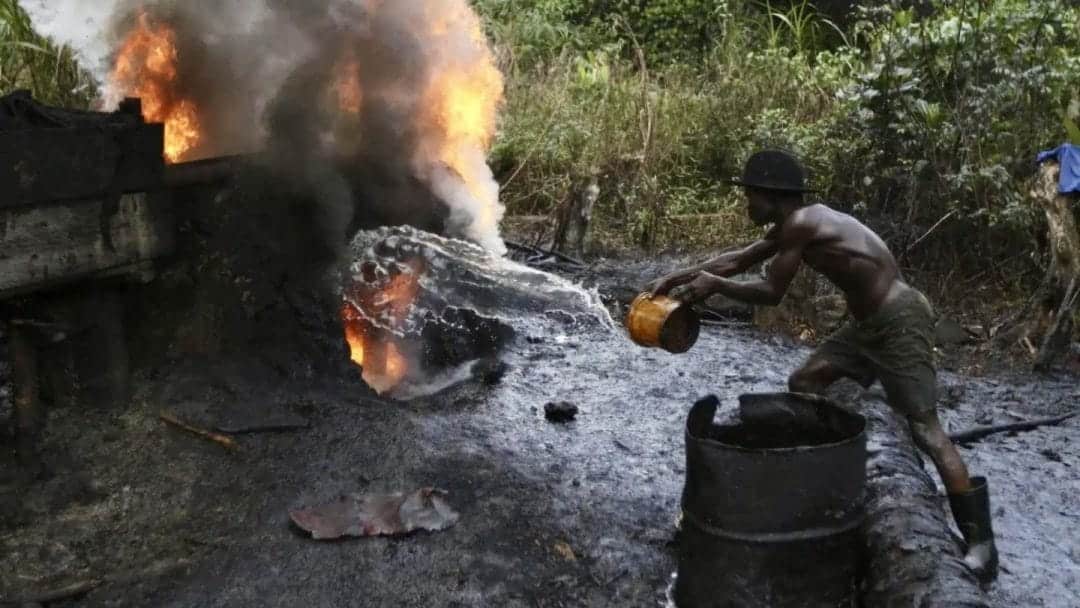
In a development that has once again spotlighted the insidious underbelly of Nigeria’s oil-rich Niger Delta, the 6 Division of the Nigerian Army has executed a strategic offensive against the sprawling network of illegal oil bunkering operations. The military campaign, which spanned four key oil-producing states—Rivers, Bayelsa, Delta, and Akwa Ibom—has reportedly resulted in the destruction of 56 clandestine refineries, the arrest of 17 suspected oil thieves, and the recovery of a staggering 1.2 million litres of stolen crude oil. This decisive action is a continuation of the military’s intensified effort to curtail what has become a multi-billion-naira underground economy, driven by cartels deeply entrenched in the region’s socio-economic fabric.
The Acting Deputy Director of Army Public Relations, Jonah Danjuma, heralded the operation as a critical success, with its impact resonating across various notorious hotbeds of illegal refining and oil theft. However, this triumph, though significant, raises several questions about the persistent menace of oil bunkering, the complicity of local power players, and the long-term effectiveness of military interventions in addressing a problem deeply rooted in economic desperation and systemic corruption.
A Regional Pandemic: The Illegal Refining Cartel
The scale of the illegal oil refining operations dismantled in this latest military campaign underscores the enormity of the problem. From the dense forests of Bayelsa to the riverine communities of Rivers State, the Niger Delta has morphed into a labyrinth of illicit refineries, cooking drums, and underground reservoirs, all functioning under the radar of state authorities. In Bayelsa alone, military operatives uncovered 15 illegal refining sites within the Okordia Forest in Yenagoa Local Government Area (LGA), yielding over 755,000 litres of stolen crude oil and 53,000 litres of illegally refined Automotive Gas Oil (AGO). Another sweep through the Biseni Forest in the same LGA led to the deactivation of 12 more refining sites, with an additional haul of 34,000 litres of stolen crude.
These figures are not just numbers; they represent the lifeblood of a shadow economy that thrives on Nigeria’s inability to effectively police its vast oil infrastructure. The Army’s discovery of illegal connection points on government pipelines, such as the 36-inch pipeline in Kula I, Akuku-Toru LGA of Rivers State, underscores the sophistication of these syndicates. Using makeshift engineering, these cartels siphon crude oil directly from government pipelines, funnelling it into remote locations where it is refined and prepared for the black market.
Economic Sabotage or Survival Mechanism?
While the Nigerian Army frames these operations as acts of economic sabotage, the narrative on the ground is more complex. The Niger Delta is a region burdened by decades of environmental degradation, poverty, and neglect by successive governments. For many locals, illegal oil refining is not merely a criminal enterprise—it is a desperate response to a socio-economic crisis that has left them marginalised in a land teeming with wealth. The question then arises: Can military crackdowns alone solve a problem that is as much about socio-economic disenfranchisement as it is about criminality?
The Army’s latest operation, which extended to Omoku in Ogba/Egbema/Ndoni LGA and Bakana in Degema LGA, highlights the intricate network supporting this illicit trade. In Omoku, an abandoned truck laden with 35,000 litres of stolen crude, concealed under layers of sawdust, was intercepted. Similarly, in Bakana, eight illegal refining sites were dismantled, and over 27,000 litres of stolen crude were confiscated. These operations, while commendable, reveal a grim reality: the infrastructure supporting illegal refining is extensive, well-coordinated, and seemingly inexhaustible.
A Cat-and-Mouse Game: The Evasion Tactics of Oil Thieves
The ingenuity of these oil thieves cannot be underestimated. In Delta State, military personnel chased suspected saboteurs across state lines into Ugo Community in Orhionmwon LGA of Edo State, where one suspect was apprehended. The suspect’s capture led to the discovery of a storage facility containing over 40,000 litres of stolen crude oil and a stationary Toyota Sequoia Jeep loaded with sacks designed for transporting illicit products. The narrative is one of cat and mouse, where security forces and oil thieves are locked in a perpetual game of evasion and capture.
This relentless pursuit, however, comes at a cost. The Nigerian military, already stretched thin by multiple security challenges across the country—from insurgency in the northeast to banditry in the northwest—is now tasked with safeguarding the nation’s critical oil infrastructure in the volatile Niger Delta. The question is: How sustainable is this militarised approach in the long term?
Complicity and Corruption: The Elephant in the Room
No discussion on oil bunkering in Nigeria would be complete without addressing the elephant in the room—complicity and corruption within the system. It is an open secret that illegal refining operations in the Niger Delta do not thrive in isolation. They are often supported by a network of corrupt officials, local community leaders, and even security personnel who turn a blind eye in exchange for financial gain. The discovery of sophisticated equipment, including pumps, boats, and metal container receivers, during these raids suggests that these operations are not run by petty criminals but by well-funded syndicates with access to considerable resources.
As the Nigerian Army continues its crackdown, the question remains: Who are the real kingpins behind this illegal enterprise? Are they being apprehended, or are the arrests merely targeting foot soldiers who are easily replaceable? The lack of high-profile convictions in cases of oil theft suggests a justice system that is either incapable or unwilling to tackle the powerful individuals orchestrating these operations from behind the scenes.
The destruction of 56 illegal refineries and the arrest of 17 suspected oil thieves is undoubtedly a significant achievement for the Nigerian Army’s 6 Division. However, it is merely a temporary victory in a war that is far from over. The socio-economic conditions that fuel this illicit trade remain unaddressed, and the complicity of powerful actors continues to undermine efforts to restore sanity to Nigeria’s oil sector.
As the military ramps up its operations, the Nigerian government must confront the deeper issues at play—poverty, environmental degradation, and systemic corruption. Without a comprehensive strategy that addresses these root causes, the Niger Delta will remain a fertile ground for economic sabotage, and the cycle of destruction, arrest, and reconstruction will continue unabated.
The Environmental Catastrophe of Illegal Oil Bunkering in the Niger Delta
While the Nigerian Army’s recent crackdown on illegal oil refineries in the Niger Delta has been lauded as a significant security success, it has also brought to the fore an environmental catastrophe that has been unfolding in the region for decades. The destruction of 56 illicit refineries, along with the recovery of 1.2 million litres of stolen crude oil, may have temporarily disrupted the operations of oil thieves, but it has also left behind a trail of ecological devastation that will take generations to repair.
The Niger Delta, once a lush, biodiverse ecosystem teeming with life, has been transformed into a dystopian wasteland, where rivers run black with crude oil, and farmlands lie barren under a toxic blanket of hydrocarbon pollutants. This environmental degradation, exacerbated by illegal oil bunkering, has pushed the region to the brink of ecological collapse, threatening the livelihoods of millions who depend on its natural resources for survival.
Toxic Consequences: The Environmental Fallout of Illegal Refineries
The operation of illegal refineries in the Niger Delta is a crude and dangerous process that involves the heating of stolen crude oil in makeshift cooking drums to extract petroleum products such as Automotive Gas Oil (AGO), diesel, and kerosene. This process, often carried out in remote forested areas or along riverbanks, releases a cocktail of toxic chemicals into the air, water, and soil.
The Army’s recent operations in Bayelsa State, where 15 illegal refining sites were deactivated in Okordia Forest and 12 more in Biseni Forest, are a testament to the scale of this environmental assault. These sites, now dismantled, were not just hubs of economic sabotage but also epicentres of environmental destruction. The contaminated soil, poisoned water sources, and air thick with carcinogenic fumes have left these once-thriving ecosystems on life support.
In Rivers State, the discovery of an illegal connection point on a 36-inch government pipeline in Kula I, Akuku-Toru LGA, underscores the reckless abandon with which oil thieves operate. The use of a three-inch hose to siphon crude oil directly from the pipeline not only compromises the structural integrity of critical infrastructure but also results in frequent oil spills that contaminate surrounding environments. The recovery of a ground reservoir containing over 100,000 litres of stolen crude during the same operation is indicative of the scale of the environmental hazard posed by these activities.
Communities Under Siege: The Human Cost of Environmental Degradation
For the communities of the Niger Delta, the environmental fallout of illegal oil bunkering is not just an ecological issue—it is a matter of life and death. The contamination of water sources with crude oil and refined petroleum products has led to a surge in waterborne diseases, including cholera, dysentery, and skin infections. The air, thick with toxic fumes from burning crude, has contributed to a spike in respiratory illnesses, including asthma and chronic obstructive pulmonary disease (COPD).
In Degema LGA of Rivers State, where eight illegal refining sites were recently dismantled, residents have long complained of unexplained health issues, ranging from persistent coughs to more severe conditions such as cancer. The confiscation of 27,000 litres of stolen crude and the interception of several boats and pots used for refining may have brought temporary relief, but the long-term health consequences for the local population remain dire.
The story is similar in Omoku, Ogba/Egbema/Ndoni LGA, where the Army uncovered an abandoned truck carrying 35,000 litres of stolen crude hidden beneath bags of sawdust. This seemingly innocuous discovery is a snapshot of a larger crisis where communities are caught in the crossfire of a war they did not start but are forced to endure. The sawdust, used to conceal the stolen crude, will likely be discarded into the environment, adding another layer of pollution to an already fragile ecosystem.
A Region in Economic Decline
The environmental degradation caused by illegal oil bunkering has also had devastating economic consequences for the Niger Delta. Once the breadbasket of Nigeria, the region’s agricultural productivity has plummeted due to soil contamination and the loss of arable land. Farmers, who once relied on the fertile delta for their livelihoods, now find themselves unable to grow crops, forcing many to abandon agriculture altogether.
Fishing, another cornerstone of the local economy, has been equally decimated. The rivers and creeks that once teemed with fish and other aquatic life have become toxic wastelands, devoid of life. Fishermen, unable to make a living from the poisoned waters, are left with no choice but to seek alternative means of survival, often turning to the very illegal refining activities that have destroyed their livelihoods.
The Army’s interception of several boats laden with stolen crude and refined petroleum products in Degema and Buguma highlights the extent to which the local economy has become entangled with illegal oil bunkering. For many, the choice is stark: participate in the illicit oil trade or face economic ruin. This harsh reality underscores the urgent need for a comprehensive approach to addressing the root causes of illegal oil bunkering.
Government Inaction and Broken Promises
Successive Nigerian governments have made grand promises to address the environmental and economic challenges facing the Niger Delta, but these promises have largely gone unfulfilled. The establishment of agencies such as the Niger Delta Development Commission (NDDC) and the Ministry of Niger Delta Affairs was supposed to bring much-needed development and environmental remediation to the region. Instead, these agencies have been mired in allegations of corruption, mismanagement, and inefficiency.
The Nigerian Army’s ongoing operations, while commendable, cannot substitute for the long-term development and environmental restoration that the region desperately needs. The deactivation of illegal refineries and the arrest of oil thieves are necessary steps, but they are ultimately reactive measures that address the symptoms rather than the root causes of the crisis.
A Glimmer of Hope?
Despite the grim reality, there are glimmers of hope. The Army’s recent success in dismantling illegal refineries and intercepting stolen crude has sent a strong message to oil thieves and their collaborators. The arrest of 17 suspects, the interception of vehicles loaded with stolen products, and the recovery of over 1.2 million litres of crude oil are significant victories in the ongoing battle against economic sabotage.
Moreover, the involvement of other security agencies in these operations suggests a growing recognition of the need for a coordinated, multi-agency approach to tackling the menace of illegal oil bunkering. This collaboration, if sustained and expanded, could pave the way for more effective enforcement and, ultimately, a reduction in the scale of illegal refining activities in the Niger Delta.
As the Nigerian Army continues its crackdown on illegal oil bunkering, the focus must shift from short-term victories to long-term solutions. The environmental and economic crises facing the Niger Delta are not just local issues—they are national emergencies that require a comprehensive, multi-faceted response.
The Political Intrigues and International Dimensions of the Niger Delta Oil Crisis
While the Nigerian Army’s recent operations in the Niger Delta have been praised for disrupting the entrenched network of illegal oil bunkering, the situation on the ground is far more complex than mere criminal activity. Beneath the surface lies a web of political intrigue, corruption, and international complicity that perpetuates the region’s descent into chaos. The crackdown on 56 illegal refineries, the recovery of over 1.2 million litres of stolen crude, and the arrest of 17 suspects may be headline-grabbing achievements, but they barely scratch the surface of a much larger crisis that threatens Nigeria’s economic stability and national security.
Political Sabotage or Genuine Commitment?
The timing and scale of the Nigerian Army’s operations have raised questions about the government’s true intentions. Is this a genuine effort to curtail illegal oil bunkering, or is it a politically motivated show of force designed to serve vested interests? Critics argue that the sudden intensification of military action coincides with mounting international pressure on the Nigerian government to secure its oil assets amid dwindling national revenues and an ongoing energy crisis.
President Bola Ahmed Tinubu’s administration, grappling with widespread economic discontent and a collapsing currency, has every incentive to demonstrate decisive action against oil theft, a major contributor to Nigeria’s financial woes. However, skeptics point out that similar operations in the past have yielded temporary results, only for the illegal refineries to resurface with renewed vigour once media attention wanes.
Furthermore, allegations of complicity between local politicians, security forces, and oil thieves have long undermined efforts to combat illegal bunkering. It is an open secret in the Niger Delta that many illegal refining operations are protected by influential figures who benefit from the illicit trade. The arrest of 17 suspects, while significant, raises the question: will these individuals face justice, or will they be quietly released after the dust settles?
A Symbiotic Relationship: Corruption and Oil Theft
Corruption is the lifeblood of illegal oil bunkering in Nigeria. From low-level security operatives who turn a blind eye in exchange for bribes to high-ranking officials who provide logistical support, the illegal oil trade thrives on the complicity of those tasked with safeguarding the nation’s resources.
Reports from local communities in Bayelsa, Rivers, Delta, and Akwa Ibom suggest that some military personnel and government officials are deeply entrenched in the illegal oil economy. The discovery of a fabricated truck loaded with 35,000 litres of stolen crude in Omoku, Rivers State, for example, is indicative of a well-coordinated operation that could not have succeeded without the tacit approval—or active involvement—of insiders.
The Nigerian Army’s statement commending troops for their “huge operational successes” rings hollow for many Niger Delta residents who have witnessed similar operations in the past, only to see the cycle of corruption and criminality continue unabated. Without a genuine commitment to rooting out corruption within the military, law enforcement, and government agencies, the recent crackdown is unlikely to produce lasting results.
The Role of International Oil Companies (IOCs)
International Oil Companies (IOCs) operating in the Niger Delta, such as Shell, Chevron, and ExxonMobil, have also come under scrutiny for their role in the region’s oil theft crisis. While these companies are often portrayed as victims of illegal bunkering, their operations have contributed to the problem in several ways.
Firstly, the extensive network of pipelines crisscrossing the Niger Delta is poorly monitored and maintained, making it relatively easy for oil thieves to tap into these conduits. The discovery of an illegal connection point on a 36-inch government pipeline in Rivers State highlights the vulnerability of Nigeria’s oil infrastructure. Despite their immense profits, IOCs have been criticised for failing to invest adequately in pipeline security and monitoring technologies.
Secondly, there have been allegations of collusion between IOC employees and oil thieves. Some reports suggest that stolen crude is sometimes sold back to these companies through intermediaries, effectively laundering the illicit product into the legitimate oil market. While IOCs publicly denounce such practices, the lack of transparency and accountability in their operations leaves room for suspicion.
Finally, the environmental degradation caused by oil spills—whether from illegal refining or pipeline leaks—has fuelled resentment among local communities, some of whom see illegal bunkering as a form of economic reparation for the destruction of their livelihoods. The recent confiscation of over 755,000 litres of stolen crude and 53,000 litres of illegally refined AGO in Bayelsa State underscores the scale of the environmental and economic crisis facing the region.
Towards a National Strategy: Securing Nigeria’s Oil Assets
The ongoing crackdown in the Niger Delta highlights the urgent need for a comprehensive national strategy to protect Nigeria’s oil assets and address the root causes of illegal oil bunkering. Such a strategy must go beyond military interventions and tackle the socio-economic, environmental, and political dimensions of the crisis.
Socio-Economic Development:
At the heart of the illegal oil trade is the economic marginalisation of Niger Delta communities. Decades of neglect, underdevelopment, and environmental degradation have left the region’s inhabitants with few viable livelihood options. Any meaningful solution must prioritise socio-economic development, including investment in education, healthcare, infrastructure, and alternative livelihoods.
Environmental Remediation:
The ecological devastation caused by illegal refining and oil spills must be addressed through a comprehensive environmental remediation program. This includes the cleanup of contaminated sites, restoration of degraded ecosystems, and compensation for affected communities. International oil companies, as well as the Nigerian government, must be held accountable for their role in the environmental crisis.
Strengthening Security and Governance:
The Nigerian Army’s operations, while commendable, must be complemented by efforts to strengthen security and governance in the Niger Delta. This includes improving intelligence gathering, enhancing the capacity of law enforcement agencies, and addressing corruption within the security sector. A multi-agency approach involving the military, police, and anti-corruption bodies is essential for sustained success.
International Collaboration:
Given the transnational nature of the illegal oil trade, international collaboration is crucial. Nigeria must work with neighbouring countries, as well as international organisations, to combat oil theft, track illicit financial flows, and dismantle the networks that facilitate the illegal oil trade.
Conclusion: A Call to Action
The recent successes of the Nigerian Army in dismantling illegal refineries and recovering stolen crude are a step in the right direction, but they are not enough. The Niger Delta crisis is a multi-faceted problem that requires a multi-faceted solution. Without a comprehensive national strategy that addresses the socio-economic, environmental, and political dimensions of the crisis, the region will remain trapped in a vicious cycle of poverty, corruption, and environmental degradation.
As Nigeria continues to grapple with economic challenges and declining oil revenues, the stakes have never been higher. The time for half-measures and cosmetic solutions is over. It is time for the Nigerian government, international oil companies, and the global community to take decisive action to secure the future of the Niger Delta—and, by extension, the future of Nigeria itself.