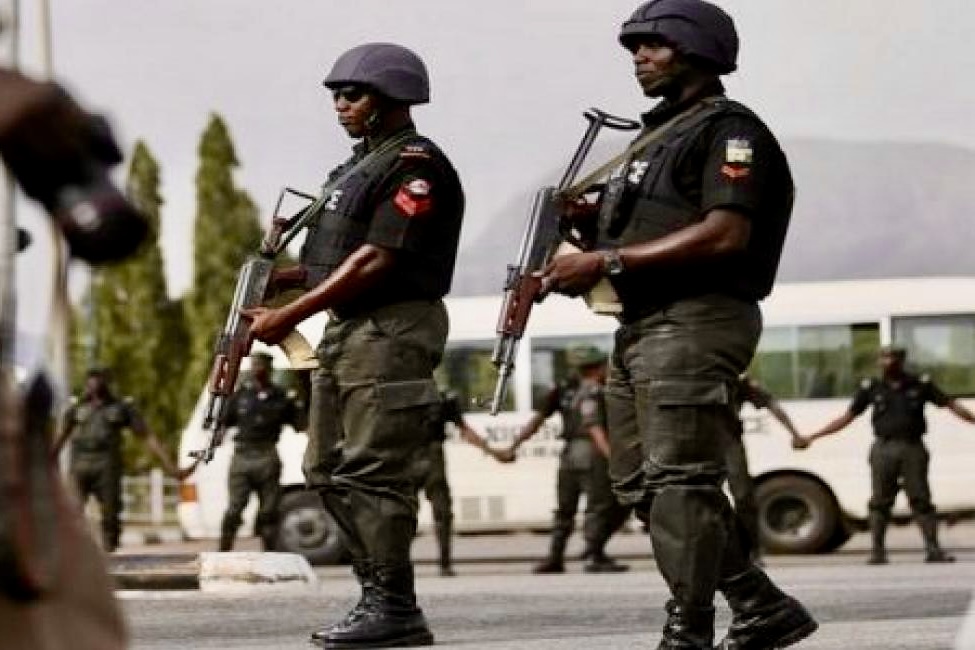
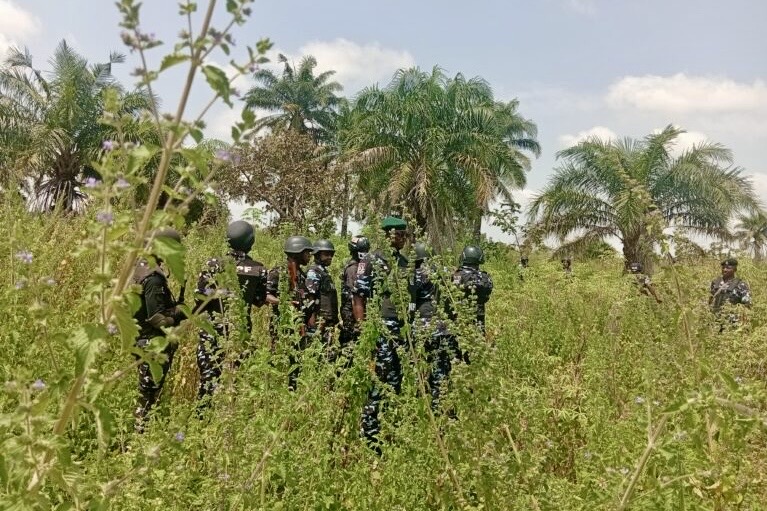
The Nigerian Army says it has moved a special forces intervention battalion into Plateau State with immediate effect, as security agencies confront what field commanders describe as a renewed wave of “bandit” attacks across parts of the state.
In a press release dated Monday, 9 February 2026, the Joint Task Force Operation Enduring Peace announced the approval by the Chief of Army Staff, Lieutenant General Waidi Shaibu. He approved the deployment of the Chief of Army Staff Intervention Battalion. This special forces unit is believed by the Army to deliver a faster, more offensive response to armed groups operating in difficult terrain.
The statement said troops were already in Plateau and were expected to operate aggressively against “bandits”.
It added that Major General Folusho Oyinlola, the General Officer Commanding 3 Division, received the unit at the division headquarters in Jos through Brigadier General Senlong Sule, the Chief of Staff of Operation Enduring Peace. He urged decisive action in offensive operations.
The language of the release is unusually blunt, including an instruction to be “decisive and ruthless”.
That choice of words matters. Plateau is not only a battlefield against ethnic militia formations. It is also a long-running flashpoint. Criminal violence, rural militia activity, farmer-herder tensions, and communal reprisals have repeatedly overlapped here.
In such environments, operational success is evaluated by arrests and interdictions. It is also judged by whether civilians are protected. Minimizing mistakes is crucial. Trust must be built with local communities who live with fear and trauma.
Why Plateau, Why Now
Plateau’s security crisis has entered another dangerous phase in early February. There are fresh reports of coordinated attacks in parts of the state. There is renewed pressure on security checkpoints and rural communities.
Recent incidents in the wider North Central and North West theatres have also sharpened Abuja’s sense of urgency. Officials and analysts are warning that armed groups are adapting and probing for weak points. This is especially concerning in areas where forests, hills, and thin policing create space for raiding and kidnapping networks.
For Plateau specifically, the operational challenges are familiar. Attackers exploit mobility, local informants, and knowledge of back routes. They often strike commercial centres, roadside settlements, and vulnerable farming communities. Afterward, they disappear into hard to access areas.
The effect is a persistent sense of siege. Markets are disrupted, and farms are abandoned. Local anger escalates, which can fuel cycles of reprisal.
This is the context in which the Army is presenting the intervention battalion as a “game changer”. This signals a shift towards a more forceful posture.
The objective appears to be to deny bandit groups freedom of movement. The aim is to degrade their networks. The goal is to reduce the tempo of attacks enough to allow normal life, agriculture, and trade to resume.
What An Intervention Battalion Signals
In Nigerian military practice, an intervention battalion typically means a unit deployed to reinforce an existing operation. These troops are trained and equipped for high intensity tasks.
That can include raids, ambushes, pursuit operations, targeted cordon and search, and protection of key routes and communities.
The press release also references “combat enablers” and logistics support. In practical terms, that usually points to vehicles and mobility assets, communications gear, and surveillance support. It also includes sustainment that allows units to remain in the field longer. This means units can avoid operational pauses, which attackers exploit.
But the critical question is not only what is deployed, it is how the deployment is used. Plateau has seen security surges before.
Residents focus on whether the new force delivers immediate pressure on armed groups. They watch if communities experience fewer attacks. They also check for credible coordination with other security services so that gains are not temporary.
The Public Message, Calm, And Intelligence
A notable section of the statement is its appeal to residents. It advises them “not to panic” at the sight of troop movements and heavy equipment. That is both reassurance and expectation management.
When deployments are large and visible, communities often worry that violence is imminent. They also fear being caught in crossfire.
The military is also emphasising civilian cooperation, asking for actionable, timely intelligence on criminal elements and their whereabouts.
This point is central. In Plateau’s contested spaces, intelligence is often fragmented, politicised, or suppressed by fear.
People may avoid reporting criminals because of reprisals. They may also avoid it because they suspect compromised intermediaries. Additionally, there is doubt that security forces will respond quickly.
If the intervention battalion is to succeed, it will need a credible intelligence pipeline with local safeguards. Residents must believe that reporting will be protected, verified, and acted on.
Otherwise, the public call for intelligence becomes another routine line that does not change operational realities.
The Human Rights And Accountability Test
The release’s “ruthless” phrasing raises a sensitive but unavoidable issue. Rights groups and local voices have repeatedly accused Nigeria’s counter bandit and counter insurgency operations of excessive force. They also report unlawful detention and civilian harm.
The Army typically rejects wrongdoing and stresses rules of engagement and discipline, but trust is built by outcomes, not statements.
For Atlantic Post readers, the investigative angle is clear. A surge operation that is not anchored in civilian protection can worsen grievances and produce new recruits for armed groups.
A disciplined surge operation can shrink the operational space for criminals. An intelligence-led approach is crucial. Being accountable can rebuild public confidence.
This is why the next few weeks will matter. The public will judge the deployment by three early indicators.
One, whether attacks reduce in the most exposed corridors and rural communities.
Two, the credibility and sustainability of arrests and recoveries are important. This includes disrupting supply chains for weapons, fuel, food, and ransom logistics.
Three main concerns exist. First, whether civilian complaints fall, not rise. Second, whether local leaders can point to improved security. They need to do this without reports of indiscriminate action.
The Wider Political Stakes
Beyond the battlefield, Plateau’s security crisis carries national implications. Security failures in the North Central feed national debates about state capacity, intelligence coordination, and the political economy of violence.
They also sharpen scrutiny of Abuja’s security leadership. This is especially true when communities feel abandoned. Security incidents can become symbols of broader governance frustrations.
For the Army leadership, the intervention battalion deployment is also a test of doctrine. It reflects an attempt to move from reactive checkpoint defence to a more offensive posture aimed at degrading hostile networks.
If it works, it will be cited as a model for other hotspots. If it fails, it will deepen public scepticism about the endless cycle of deployments without durable peace.
What To Watch Next
The press release provides no operational timeline. It does not specify deployment strength. It also lacks details about specific local government areas, mentioning only Plateau in general terms.
That is understandable from a security standpoint. However, it places greater importance on measurable outcomes. Consistent public briefings are essential. Verifiable operations demonstrate progress without compromising operational security.
Residents will watch how security forces engage local communities. They will observe interactions with traditional institutions and civil authorities. These actions are crucial because Plateau’s crisis is not only kinetic. It is also a contest over information, legitimacy, and fear.
For now, the Army’s message is straightforward. The special forces are in Plateau. The mission is offensive. The public should remain calm, cooperate, and provide intelligence. The rest will be judged on results.
Follow us on our broadcast channels today!
- WhatsApp: https://whatsapp.com/channel/0029VawZ8TbDDmFT1a1Syg46
- Telegram: https://t.me/atlanticpostchannel
- Facebook: https://www.messenger.com/channel/atlanticpostng