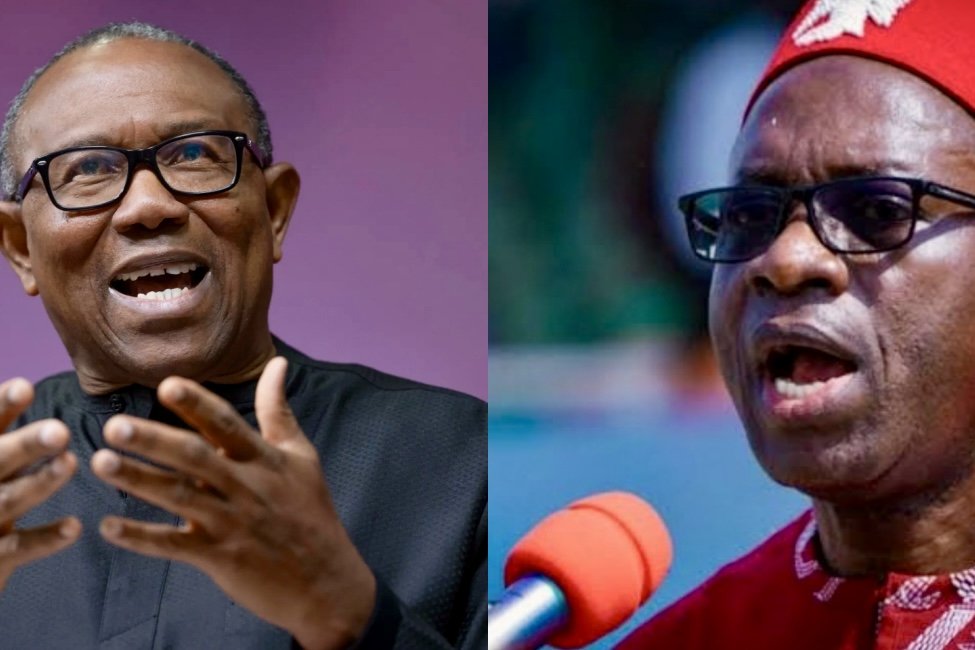
Nigeria’s Minister of Foreign Affairs, Yusuf Tuggar, publicly demanded on Wednesday that Piers Morgan air the full and unedited recording of his recent appearance on Piers Uncensored, warning that any selective trimming could “distort Nigeria’s truth” and amplify misleading narratives about religious persecution.
The minister’s appeal highlights a complex intersection. This complexity involves diplomacy, media framing, and pressing domestic security questions. The terse exchange that followed with Morgan on X underscores these issues.
Tuggar told Morgan he had attended the show to set the record straight. He wanted to provide a factual, contextual rebuttal to allegations of systemic religious persecution in Nigeria.
He insisted his remarks were supported by verifiable data and therefore must be presented “exactly as recorded” to preserve integrity.
Morgan, for his part, dismissed any suggestion his programme would censor or sanitise the minister’s words. He replied that the show’s very name, Uncensored, guaranteed broadcast in full. He added a degree of editorial scepticism about how the audience would receive the minister’s claims.
As of press time the full interview had not been posted on Piers Uncensored’s official platforms.
The spat arrives amid increasing international scrutiny of Nigeria’s record on communal and faith-linked violence. Independent monitoring groups and international bodies have recorded widespread political violence across the country in recent years. ACLED has categorized Nigeria as among the most violent theatres in the region in its 2024 conflict index. They have documented thousands of fatalities and events. These events overwhelmingly implicate jihadist groups, bandits, and communal militias rather than simple sectarian campaigns.
That complexity is central to Tuggar’s claim. Blanket labels of “religious persecution” risk obscuring the multi-factorial nature of the crisis.
Yet other organisations focusing specifically on religious-freedom indicators have painted a grimmer picture.
Groups such as Open Doors and the US Commission on International Religious Freedom document high numbers of believers killed or displaced. These attacks are often carried out by Islamist militants or armed herder groups. They have urged stronger protective measures for vulnerable communities.
These reports were explicitly part of the background to international commentaries. Tuggar says he sought to rebut these commentaries on Morgan’s platform.
Tuggar’s flippant reference to “Chibok Boys” in his rejoinder to Morgan recalls the trauma of mass kidnappings. It also recalls the global outrage after Boko Haram abducted 276 schoolgirls from Chibok in April 2014. This was an episode that shaped international perceptions of Nigeria’s security failures. It continues to reverberate in public debate about state capacity and insurgency.
The Chibok affair remains a potent symbol of the security emergency. It shows why foreign coverage can cut to raw national sensitivities.
What the exchange reveals is twofold.
First, Nigeria’s foreign ministry is unusually sensitive to narrative control on matters of religion and security. It will contest portrayals it regards as misleading.
Second, international media outlets keep both editorial discretion and global reach. This means any selective clip that resonates abroad can have outsized reputational effects.
For readers in Nigeria, the practical question is simple. Will the full interview show that ministerial caveats and statistics materially alter the prevailing narrative? Or will viewers judge the rebuttal insufficient against independent field data and victim testimony?
The answer will shape both diplomatic messaging and domestic political discussion in the weeks ahead.
For the record, the chief factual anchors relevant to this dispute are public and measurable.
First, there are persistent high levels of political violence and civilian fatalities recorded by monitoring projects.
Second, there are focused religious-freedom reports that document targeted attacks on faith communities.
Third, historical flashpoints like Chibok continue to influence international opinion.
Readers should expect follow-up reporting to examine the full interview once released. Reporters will test the minister’s data points against independent datasets. They will assess whether selective editing occurred. If selective editing occurred, they will evaluate whether it measurably distorted the context.
Follow us on our broadcast channels today!
- WhatsApp: https://whatsapp.com/channel/0029VawZ8TbDDmFT1a1Syg46
- Telegram: https://t.me/atlanticpostchannel
- Facebook: https://www.messenger.com/channel/atlanticpostng