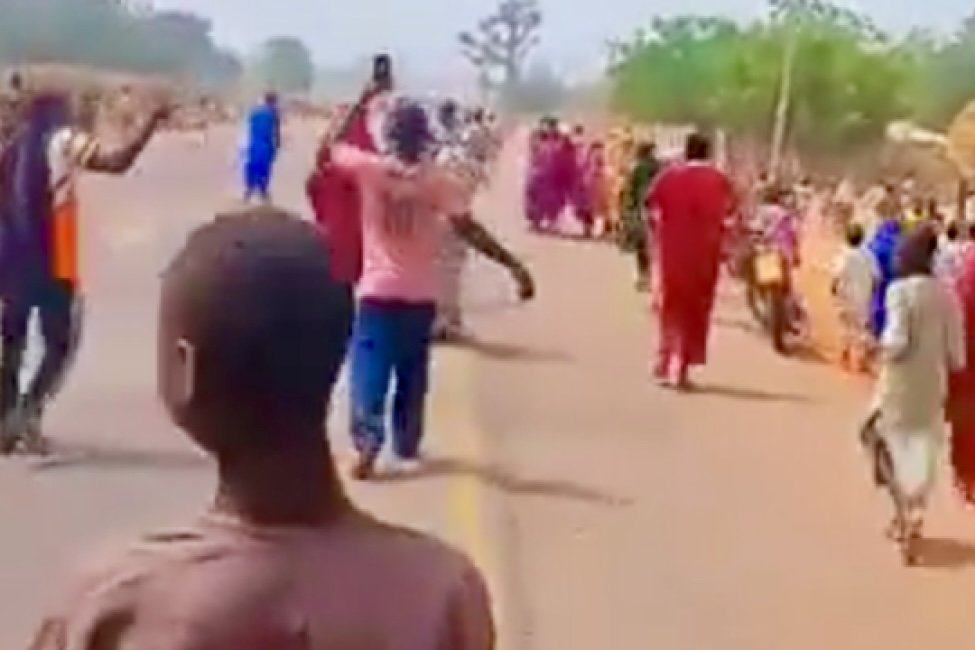
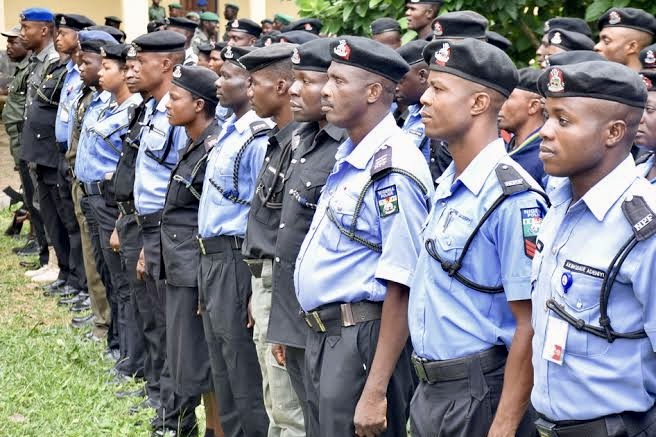
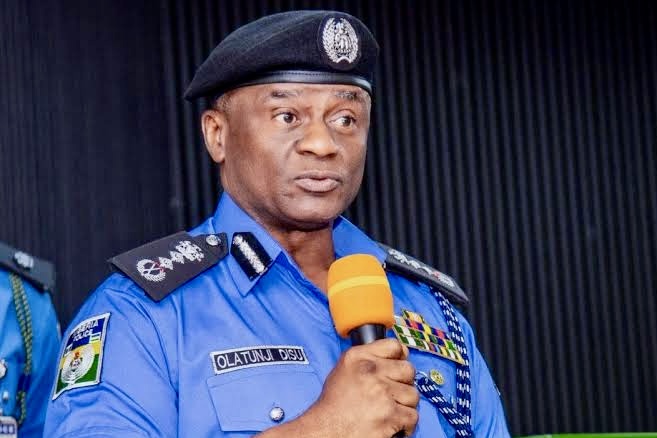
President Bola Ahmed Tinubu on Sunday announced on X that he cancelled a planned trip to the G20 summit in South Africa so he could personally coordinate national security efforts after a fresh wave of mass abductions and an attack on a church.
In the same message the President said 38 worshippers abducted in Eruku, Kwara State, had been rescued. He also mentioned that 51 of the pupils taken from a Catholic school in Niger State had been recovered.
Local reporting confirms the Eruku abduction and the swift release of 38 worshippers after security operations and community interventions. Officials and state governors have publicly welcomed their return. They have also urged calm. Investigations continue into the attack that produced fatalities and fear in the community.
The wider school abduction in Niger State remains one of the largest episodes. It is also one of the most politically combustible this year. This year has seen repeated mass kidnappings of students. Taken together, the incidents fit into a broader deterioration of Nigeria’s security environment over recent years.
Monitoring groups record a sharp rise in politically motivated violence, kidnappings and community raids. ACLED’s Nigeria dataset and other conflict monitors reveal tens of thousands of civilian fatalities from political violence since 2009. There has been a marked intensification of kidnappings and mass attacks in the past two to three years.
IDMC and humanitarian analysts document large-scale internal displacement that has compounded the humanitarian emergency. These are not isolated criminal acts but part of an escalating pattern that strains state capacity and community cohesion.
Several international and faith organisations now classify the attacks against Christian communities as sustained persecution.
European parliamentary reporting and faith watchdogs have described Nigeria as among the countries most affected by violent assaults on Christians. Some commentators and clerical groups use the language of genocide to describe the scale and repetitive nature of killings. They highlight church attacks and forced displacements.
These characterisations have intensified diplomatic pressure and inflamed domestic debates over the government’s response.
The facts demand both precision and urgency. The President’s decision to postpone an international engagement signals recognition at the highest level. Nevertheless, it is not a substitute for a clear, measurable security strategy. Independent, transparent investigations into each abduction and attack must be prioritised.
So must better intelligence sharing, protection for schools and places of worship, and accountability for security lapses. Nigeria must find a calibrated combination of immediate tactical responses. It also needs longer-term reforms. Otherwise, the country risks repeating the cycle of abduction, rescue headlines, and deeper communal fracture.
Additional reporting by Osaigbovo Okungbowa, Senior Political Correspondent.
Follow us on our broadcast channels today!
- WhatsApp: https://whatsapp.com/channel/0029VawZ8TbDDmFT1a1Syg46
- Telegram: https://t.me/atlanticpostchannel
- Facebook: https://www.messenger.com/channel/atlanticpostng