By Osaigbovo Okungbowa, Senior Political Correspondent
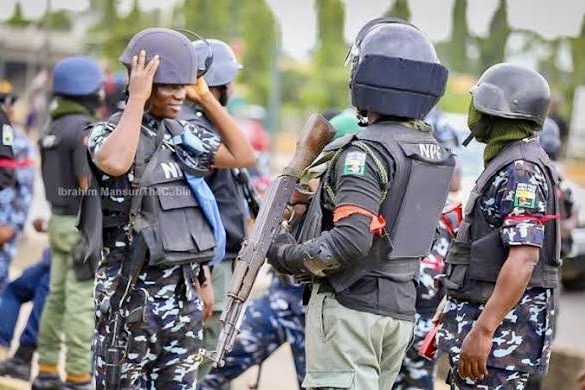
In a country steeped in vibrant civil discourse and democratic engagement, the Lagos State Government is bracing for a wave of nationwide protests. Governor Babajide Sanwo-Olu, in a bid to mitigate the potential fallout and ensure peaceful demonstrations, has engaged in a series of high-stakes discussions with various civil society and self-determination groups. His latest statement underscores a delicate balance between upholding civil liberties and maintaining public order, an issue that has historically been fraught with tension in Nigeria’s socio-political landscape.

Governor Babajide Sanwo-Olu, in a bid to mitigate the potential fallout and ensure peaceful demonstrations, has engaged in a series of high-stakes discussions with various civil society and self-determination groups. July 26, 2024. 1 Governor Babajide Sanwo-Olu, in a bid to mitigate the potential fallout and ensure peaceful demonstrations, has engaged in a series of high-stakes discussions with various civil society and self-determination groups. July 26, 2024. 2 
Governor Babajide Sanwo-Olu, in a bid to mitigate the potential fallout and ensure peaceful demonstrations, has engaged in a series of high-stakes discussions with various civil society and self-determination groups. July 26, 2024. 3 Governor Babajide Sanwo-Olu, in a bid to mitigate the potential fallout and ensure peaceful demonstrations, has engaged in a series of high-stakes discussions with various civil society and self-determination groups. July 26, 2024. 4 


Sanwo-Olu’s Call for Peaceful Protests
Governor Sanwo-Olu’s recent statement reflects a deep concern for maintaining peace and order in Lagos State. He emphasized the government’s recognition of the right to protest, a fundamental tenet of democratic society. However, he also highlighted the importance of conducting such protests within the legal framework to prevent chaos and violence.
“In continuation of my engagements with various groups and stakeholders ahead of the planned nationwide protests, I met with Civil Society and Self-Determination Groups today to discuss the crucial need for peace in Lagos State. I emphasized that the State Government fully recognizes and respects the citizens’ right to express themselves. However, such expressions must be conducted within the bounds of the law. It is essential that we maintain order and peace, especially considering the potential for unrest.”
Sanwo-Olu’s message is clear: while the government respects and acknowledges the citizens’ right to protest, it insists on adherence to the law to prevent a repeat of past destructive protests.
Historical Context: The Ghost of Protests Past
The governor’s plea for peaceful demonstrations is not without merit. Lagos State has witnessed significant upheaval in recent years, notably the #EndSARS protests of 2020, which saw widespread violence and destruction. The memory of these events looms large, serving as a potent reminder of the potential for peaceful protests to spiral into chaos.
“The memory of the wanton destruction of public and private property during previous protests is still fresh in our minds, and I firmly believe that we all must avoid a repeat of such incidents.”
Sanwo-Olu’s reference to the destruction during the #EndSARS protests is a stark reminder of the stakes involved. The protests, initially sparked by a movement against police brutality, devolved into widespread unrest, leading to significant property damage and loss of life. The governor’s appeal is, therefore, a call to prevent history from repeating itself.
The Role of Civil Society Organizations
Central to Sanwo-Olu’s strategy is the engagement of civil society organizations (CSOs). These groups play a crucial role in shaping public discourse and can serve as intermediaries between the government and the populace. By urging CSOs to ensure that protests remain peaceful, Sanwo-Olu is leveraging their influence to foster an environment of order and non-violence.
“I urged the civil society organizations to play their part in ensuring that any protests remain peaceful and orderly.”
This approach recognizes the pivotal role that civil society can play in mobilizing and directing public sentiment. By appealing to these organizations, the governor is seeking to build a coalition of stakeholders committed to peaceful demonstrations.
Balancing Act: Civil Liberties vs. Public Order
The governor’s statement highlights a perennial challenge in democratic governance: balancing civil liberties with the need for public order. In a vibrant democracy like Nigeria, the right to protest is sacrosanct. However, ensuring that these protests do not descend into anarchy is equally important.
Sanwo-Olu’s emphasis on legality and order underscores this delicate balance. While acknowledging the right to protest, he insists on adherence to the law to safeguard public safety and property. This approach reflects a nuanced understanding of the dual imperatives of protecting civil liberties and maintaining order.
Potential Implications for Future Protests
Sanwo-Olu’s engagement with civil society groups and his call for peaceful protests could have significant implications for future demonstrations in Lagos State. By setting a precedent for orderly protests, the government could foster a culture of peaceful civic engagement. However, the success of this approach will depend on the willingness of protesters to adhere to legal guidelines and the government’s commitment to respecting their rights.
“I look forward to our collective effort in fostering an environment where citizens can express their views without resorting to violence or chaos. Together, I believe we can work towards a peaceful and prosperous Lagos State.”
This collaborative approach, if successful, could serve as a model for other states facing similar challenges. By fostering a culture of peaceful protest, Lagos State could lead the way in demonstrating that robust civic engagement and public order are not mutually exclusive.
Critique and Analysis
While Sanwo-Olu’s call for peaceful protests is commendable, it is essential to critically examine the broader context and potential challenges. The historical mistrust between the government and protesters, particularly in the wake of the #EndSARS protests, cannot be overlooked. Many Nigerians remain skeptical of government intentions, fearing that calls for peaceful protests may be a pretext for suppressing dissent.
Moreover, the effectiveness of engaging civil society organizations depends on the government’s willingness to listen and respond to the grievances being expressed. If the government is perceived as dismissive or unresponsive, even the most well-intentioned calls for peace may fall on deaf ears.
Sanwo-Olu’s statement, while a step in the right direction, must be backed by tangible actions that demonstrate a genuine commitment to addressing the underlying issues driving the protests. This includes tackling economic hardship, police brutality, and other systemic issues that fuel public discontent.
The Way Forward
To achieve the vision of a peaceful and prosperous Lagos State, as articulated by Governor Sanwo-Olu, a multi-faceted approach is required. This includes:
- Building Trust: The government must work to rebuild trust with the public. This involves transparent communication, accountability, and a genuine commitment to addressing the grievances of protesters.
- Engaging Stakeholders: Continuous engagement with civil society organizations, community leaders, and other stakeholders is essential. These groups can serve as intermediaries, helping to ensure that protests remain peaceful and productive.
- Addressing Root Causes: The government must address the underlying issues driving public discontent. This includes tackling economic hardship, police brutality, and other systemic problems that fuel protests.
- Ensuring Accountability: The government must hold law enforcement accountable for any abuses and ensure that security forces are trained and equipped to handle protests in a manner that respects human rights.
- Promoting Civic Education: Educating the public about their rights and responsibilities, as well as the importance of peaceful protest, can help foster a culture of non-violent civic engagement.
Governor Sanwo-Olu’s call for peaceful protests is a crucial step in the right direction. However, it must be supported by concrete actions that address the root causes of public discontent and foster a culture of trust and collaboration between the government and the public. Only then can Lagos State truly achieve the vision of a peaceful and prosperous society where citizens can express their views without fear of violence or repression.