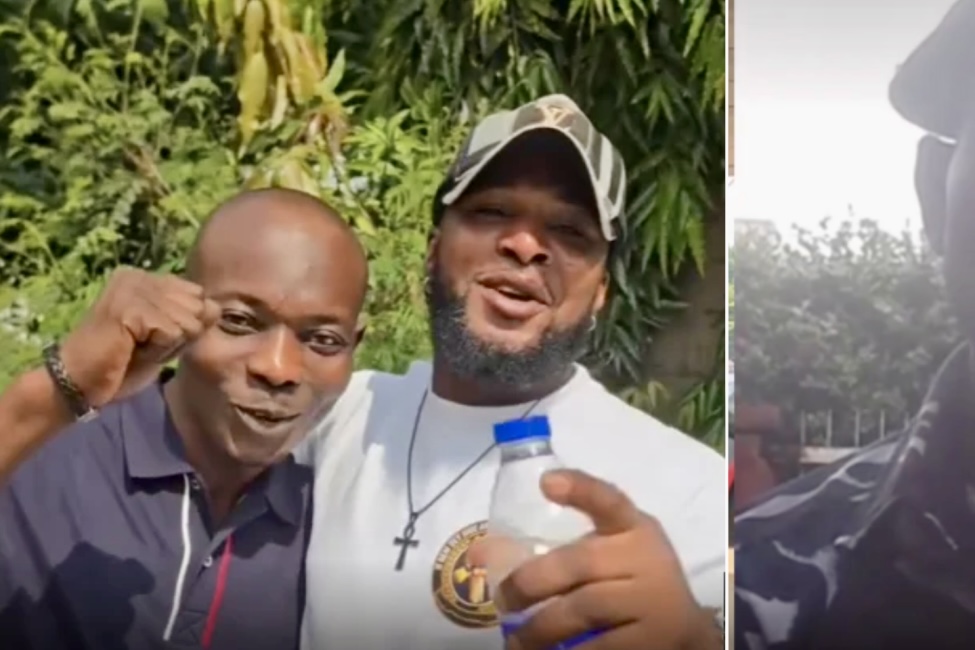
A Nigerian Catholic priest has delivered an open and searing appeal to the Holy See urging the Pope to call the violence sweeping the northern and Middle Belt regions of Nigeria by its proper name — genocide.
The letter names Bishop Wilfred Chikpa Anagbe of Makurdi as the principal witness and advocate for beleaguered Christian communities. Bishop Anagbe has repeatedly sounded the alarm from the ground where churches burn and whole villages are displaced.
The letter is not an abstract theological complaint. It lists concrete grievances. It recalls the lynching in 2022 of a Christian student, Deborah Samuel Yakubu, an episode that shocked international observers and highlighted the dangers of blasphemy accusations in parts of the country.
Human Rights Watch and other monitors documented the killing and the weak judicial follow up that followed.
The priest’s plea points to two overlapping structural realities.
First, twelve northern states have implemented variants of Sharia law since 1999. That legal architecture has created zones where religious minorities face added legal and social pressures. Charges framed as religious offences can rapidly escalate into mob violence. The catalogue of states that adopted Sharia in the late 1990s and early 2000s is well established.
Second, the priest interprets the rising numbers of attacks on churches. He views these as part of a broader jihadi and militant project. The Islamist insurgencies loosely associated with Boko Haram and the Islamic State in West Africa Province have declared ambitions. These ambitions include governance under an Islamist formula. Analysts have long warned about the dangers of such groups. They say these groups will seek to remove or terrorise religious minorities as they expand their influence.
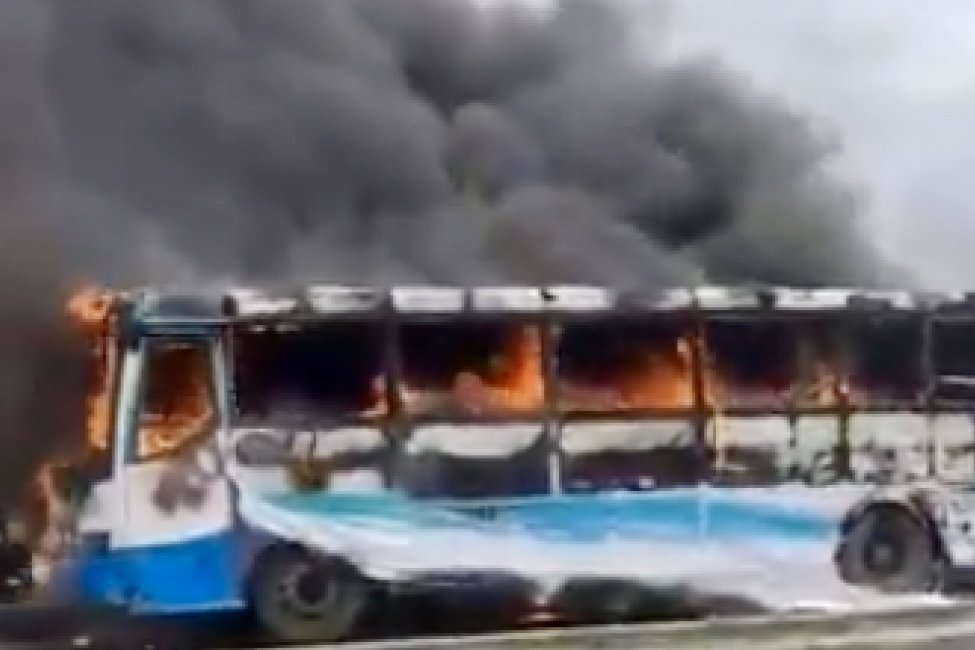
Of immediate urgency in the letter is Benue State. The priest cites reports of mass slaughters that forced entire communities to flee within hours. Advocacy organisations and church charities have reported large casualty figures and scenes of wholesale destruction in recent months. One report described up to 200 killed in what local leaders called a single massacre and said the Pope had singled out Benue communities in a prayerful message.
These incidents should be named publicly by the Vatican. The open letter states this will help mobilise moral pressure. It also aims to create diplomatic pressure.
The letter warns that softer language or imprecise statements from influential international actors can create moral space for denial. They also create moral space for delay. That point found immediate resonance in international coverage this week. Attacks on churches prompted school closures. The situation elicited a high level diplomatic response.
Reuters and the AP reported on fresh church attacks. These attacks have led to heightened fear and government action in affected states. Meanwhile, Abuja continues to contest characterisations that the violence is primarily religiously motivated.
From a national security perspective the priest’s appeal matters for two reasons.
First, naming is not mere rhetoric. A public papal designation of systematic targeting would alter the diplomatic landscape. It would sharpen international scrutiny. It unlocks more coordinated protective measures. This change may also alter the terms of international aid and security assistance.
Second, acknowledging the pattern would place clear pressure on Nigeria’s authorities to pursue accountability. Critics say several high profile crimes have not produced meaningful prosecutions. The Deborah Yakubu case and other prosecutions that stalled are often cited as evidence of selective enforcement.
The open letter is written in filial language but it carries a hard edged demand. It asks the Pope to listen to a shepherd. This shepherd walks among the dead and the displaced. The Pope should allow that testimony to shape the universal Church’s conscience.
For many observers, a public naming by the Vatican would not heal the wounds. This is also true for those in the impacted communities. However, it would decisively draw international attention to a pattern of violence. Several observers now warn that this pattern risks evolving into systematic destruction of a religious community.
The Atlantic Post will continue to follow developments closely. It will report verified evidence, including casualty counts. The Atlantic Post will also report responses from Abuja and the Holy See. The claims in the open letter are grave and deserve rigorous independent investigation and an urgent international response.
Follow us on our broadcast channels today!
- WhatsApp: https://whatsapp.com/channel/0029VawZ8TbDDmFT1a1Syg46
- Telegram: https://t.me/atlanticpostchannel
- Facebook: https://www.messenger.com/channel/atlanticpostng