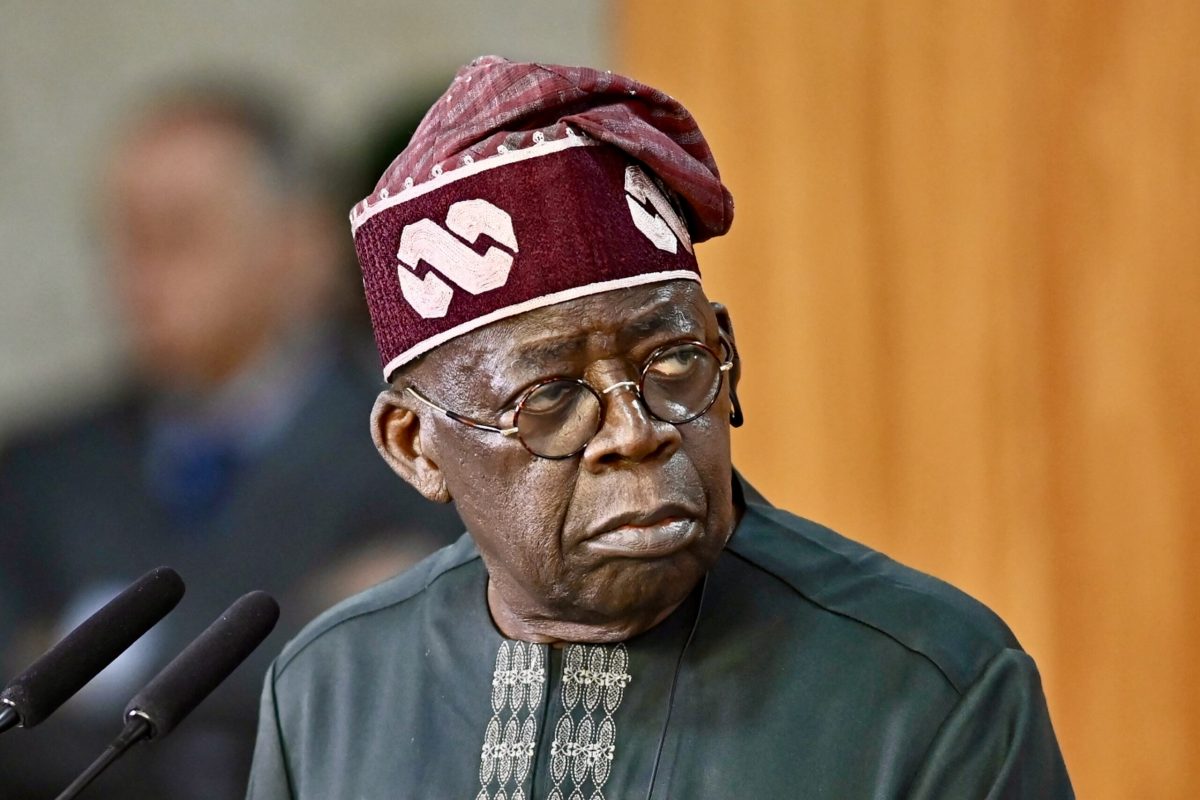
In a blistering statement posted on his official X account on Monday, President Tinubu’s Special Adviser on Policy Communication, Daniel Bwala, dismissed former Labour Party candidate Peter Obi as an unserious contender bereft of economic depth.
Bwala professed surprise that Obi would endorse Tinubu’s controversial fuel subsidy removal and foreign exchange (FX) unification, only to extol his own ability to execute them in a purportedly “organised manner”.
He cast the former Anambra governor as a power-hungry opportunist lacking any substantive alternative agenda.
Endorsement or Political Theatre?
During his Arise TV appearance, Obi admitted there was nothing inherently wrong with scrapping the petrol subsidy or floating the naira, conceding he would have pursued similar reforms had he occupied the Villa.
Yet he scorned the government’s approach as “haphazard”, insisting a phased, transparent rollback with robust palliative measures would have softened the blow for ordinary Nigerians.
Obi challenged Tinubu to detail how the “billions saved” have been channelled into critical infrastructure, asking bluntly: “Where is it invested?”
Billions Saved, Billions Unaccounted
Since May 2023, the Federal Government claims savings of over ₦1 trillion in the first two months after subsidy removal, funds allegedly redirected into social intervention programmes.
The Presidency later boasted annualised savings of \$7.5 billion (circa ₦3.3 trillion) thanks to the reforms. Yet the Nigeria Labour Congress has countered that “not a single kobo” was saved, alleging an absence of tangible fiscal benefit/
Civil society group SERAP has also pressed Tinubu for a public account of ₦400 billion reportedly saved within the first month, warning of potential misappropriation without transparent oversight.
Historical Burden of Subsidies
Nigeria’s petrol subsidy burden has been gargantuan. Between 2005 and 2021, the country expended ₦21.7 trillion, with 90 per cent of benefits accruing to the affluent and a meagre 4 per cent reaching the poor.
At its peak, annual outlays exceeded ₦2.1 trillion in 2011 and ₦1.43 trillion in 2021 alone, underscoring the unsustainable drain on public coffers.
The subsidy regime fostered smuggling, corruption and chronic under-investment in refining capacity, leaving Nigeria perpetually reliant on imports.
FX Unification: Hype or Hope?
Parallel to subsidy removal, the Central Bank of Nigeria (CBN) abolished multiple FX windows in June 2023, merging official and black-market rates.
This “narrowing gap” has been hailed by the Financial Times as a welcome step towards monetary stability, even as inflation hovers around 24 per cent—driven largely by food prices.
Before unification, the naira traded at about ₦1 500 to the dollar on the parallel market against an official rate of ₦750, a spread that sowed distortion and discouraged foreign investment.
Cost-of-Living Crisis Intensifies
Post-reform petrol prices surged by over 15 per cent in some regions, with motorists in Lagos now paying nearly ₦998 per litre and ₦1 030 in Abuja, sparking long queues and public outrage.
The shock therapy has boosted transport fares and inflated food costs, exacerbating already severe hardship.
The government’s flagship compressed natural gas (CNG) programme aims to convert 1 million vehicles within three years to ease the strain, yet poor infrastructure and scant awareness have hampered uptake.
Accountability or Spin?
Obi’s challenge goes to the heart of governance: will Tinubu publish granular breakdowns of subsidy savings and reinvestments? Civil society insists that only detailed, audited reports can dispel fears of graft.
As SERAP notes, transparency “will promote accountability and reduce the risks of corruption” in spending ₦400 billion and subsequent savings.
Meanwhile, Bwala’s accusation of shallow partisanship underscores a broader crisis of trust between rulers and the ruled.
Political Stakes Ahead of 2027
With the next presidential election looming, the subsidy-FX saga is more than an economic debate; it is a battle for Nigeria’s soul.
Will the Tinubu administration’s reforms secure sustainable growth, or will they be undone by implementation flaws and public disillusionment?
Obi’s critique resonates with many Nigerians who demand both bold reform and empathetic governance.
The Imperative of Inclusive Reform
Economic reboot must marry boldness with compassion. Phasing reforms with calibrated palliatives, bolstering social safety nets and enforcing accountability are non-negotiable.
Failure to address hardship risks igniting unrest and emboldening incendiary rhetoric.
As Nigeria seeks to emerge from its oil-dependency quagmire, the quality of leadership will determine whether these reforms translate into real improvement for citizens or serve merely as fodder for sensational headlines.
Atlantic Post writer Osaigbovo Okungbowa contributed to this report.