In Plateau State, escalating violence attributed to foreign militia and sponsored terrorism has left at least 52 dead. Governor Caleb Mutfwang condemned the attacks as genocidal, challenging the narrative of local banditry. This crisis reveals deeper geopolitical issues and necessitates collective efforts to tackle terrorism and restore peace.
JOS, Nigeria – In a shocking escalation of violence, Plateau State has been thrust into the national spotlight after a series of brutal killings that the state’s Governor, Caleb Mutfwang, has labelled as “genocidal”.
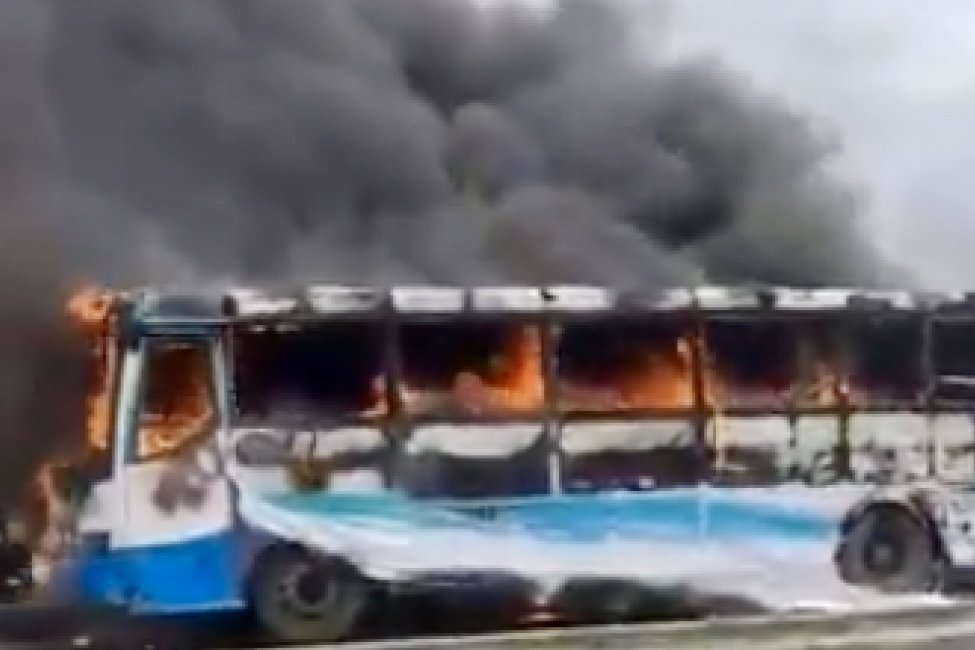
Speaking on Channels Television’s Politics Today, Governor Mutfwang did not mince words when he attributed the savage onslaught – which claimed at least 52 lives, including children, on March 28, 2025 – to terrorist organisations allegedly sponsoring the attacks.
This incident, unfolding in the Bokkos and Bassa Local Government Areas, not only underscores the deep-rooted security challenges in the region but also raises pressing questions about the shadowy involvement of foreign militia forces.
At the heart of the governor’s indictment is the claim that these attacks are not random acts of banditry but are part of a calculated, externally funded campaign designed to destabilise the region.
“I can tell you in all honesty that I cannot find any explanation other than genocide sponsored by terrorists,” Mutfwang declared.
His comments, which came at a time when national security is under intense scrutiny, have added a new dimension to the ongoing debate over the true nature of violence in the region.
While the Nigerian establishment has at times attempted to downplay such incidents as mere acts of banditry, there is mounting evidence to suggest that a more sinister, orchestrated invasion may be at play.
Investigative insights point towards an alarming possibility: that the foreign militia, operating under the guise of local banditry, are exploiting Nigeria’s porous borders to infiltrate and occupy vulnerable communities.
Such invasions, though dressed up by some quarters as isolated incidents of criminality, bear all the hallmarks of a calculated strategy to weaken state authority and provoke ethnic and communal divisions.
Critics argue that the Nigerian establishment’s reluctance to acknowledge this foreign interference only emboldens these militants, providing them with the cover needed to continue their operations unabated.
Furthermore, the portrayal of these attacks as mere criminal banditry conveniently masks the broader geopolitical implications of the crisis. The deliberate obfuscation of the true perpetrators – those allegedly backed by external sponsors – not only undermines public trust but also hampers effective counter-terrorism efforts.
There are growing concerns among regional experts and human rights activists that the state’s narrative is part of a wider strategy to obscure state shortcomings and deflect accountability from the security agencies. The irony is palpable: as innocent lives are lost in what is arguably a genocidal campaign, the language of “banditry” is being weaponised to downplay the scale and intent of the violence.
The unfolding tragedy in Plateau State serves as a stark reminder of the fragile nature of peace in regions where political interests and security challenges intersect.
It calls for a renewed commitment from all stakeholders – from the highest levels of government to grassroots community leaders – to expose and dismantle the networks of sponsorship and external interference.
Only by unmasking these hidden forces can Nigeria hope to restore stability and secure a future free from the spectre of sponsored terrorism.
As investigations continue and security agencies mobilise to unravel the mystery behind these atrocities, the world watches with bated breath.
The Plateau killings are not just a local tragedy; they are a wake-up call for the nation and the international community alike, demanding a transparent, uncompromising approach to the fight against terrorism and foreign militia intrusion.