By Editor
The Tinubu-Modi Controversy – Symbolism or Misplaced Priorities?
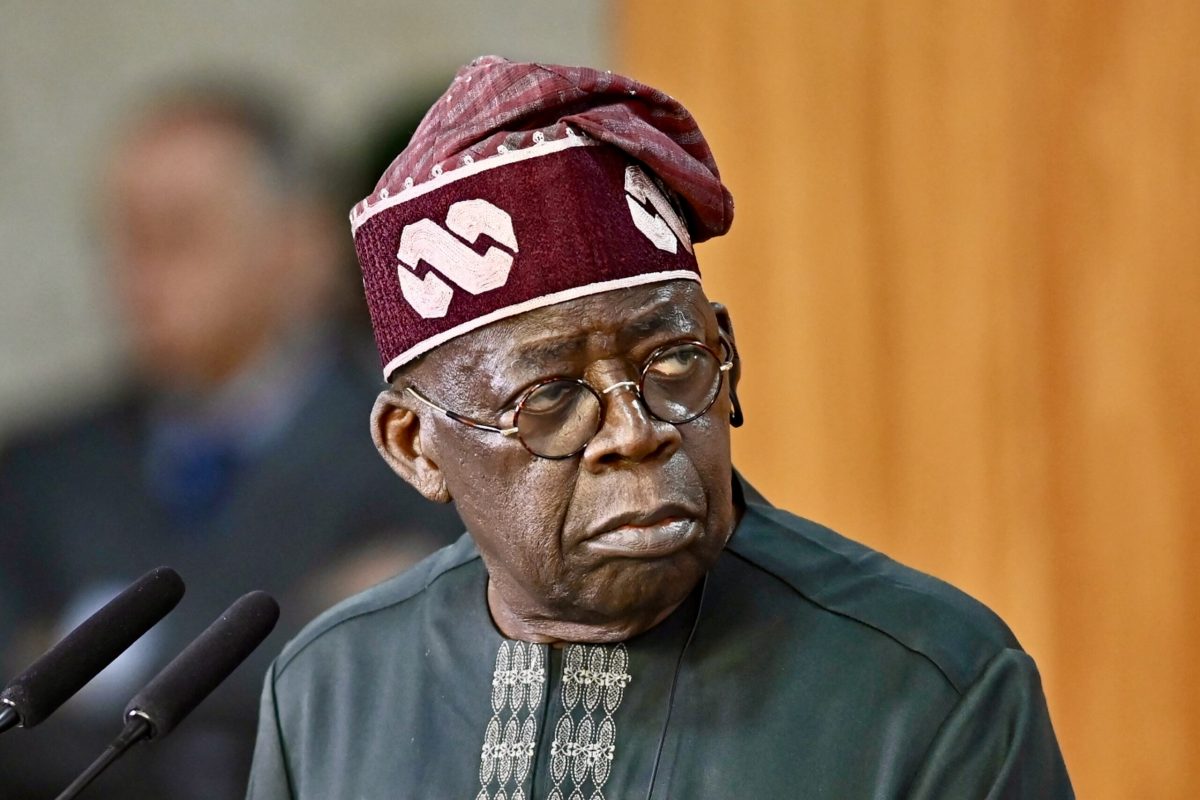
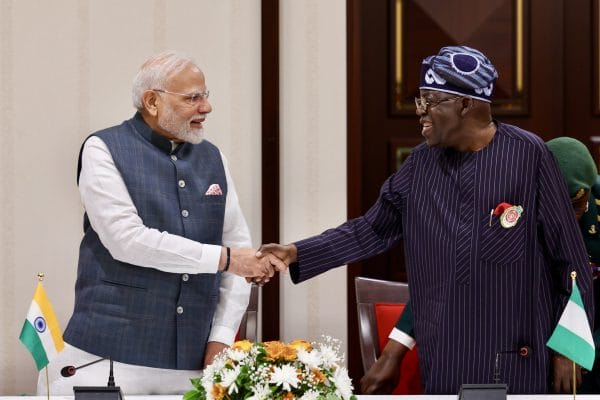
The conferment of Nigeria’s second-highest national honour, the Grand Commander of the Order of the Niger (GCON), on Indian Prime Minister Narendra Modi by President Bola Ahmed Tinubu has ignited a fiery political debate, laying bare the deep-seated frustrations of Nigeria’s opposition parties. The Peoples Democratic Party (PDP), through its Deputy National Youth Leader, Timothy Osadolor, did not mince words, calling the gesture a “misplaced priority.” This criticism came swiftly after President Tinubu presented the prestigious accolade during the Nigeria-India Bilateral Meeting in Abuja.

At the heart of the PDP’s contention lies a fundamental question: What has Prime Minister Modi done to merit such an esteemed Nigerian honour? While the presidency framed the conferment as a symbolic gesture to underscore the growing partnership between Nigeria and India, critics argue that it is an example of Tinubu’s administration indulging in unnecessary optics while sidestepping Nigeria’s pressing challenges.
A Clash of Narratives: Celebratory Diplomacy or Cheap Populism?
President Tinubu defended his decision by emphasising the historical ties and burgeoning relationship between the two nations. In his address, Tinubu lauded Modi’s leadership and described his political achievements as a feat deserving of respect. By conferring the GCON, Tinubu ostensibly aimed to deepen bilateral ties, portraying Nigeria as a forward-thinking partner on the global stage. Modi reciprocated by promising 20 tonnes of relief materials to aid Nigeria in the aftermath of devastating floods.
But the PDP, through Osadolor, vehemently questioned the rationale behind the gesture. The honour, Osadolor noted, is Nigeria’s second-highest and traditionally reserved for individuals with an extraordinary impact on the nation’s development or image. “I don’t know what the Indian Prime Minister has done to have warranted such an honour,” he remarked, adding that this moment could have been better utilized to extract strategic economic insights from Modi about India’s rise from being the “poverty capital of the world” to an emerging economic powerhouse.
Osadolor’s sentiment encapsulates a broader frustration among Nigerians. As the country grapples with soaring inflation, dwindling foreign reserves, and insecurity, symbolic gestures like this appear tone-deaf. “Nigerians are hungry and dying,” he declared, suggesting that Tinubu should focus on tangible governance rather than “media gimmicks.”
The APC’s Counterargument: Defending Presidential Prerogative
In a rebuttal, the ruling All Progressives Congress (APC), represented by Deputy National Organising Secretary Nze Chidi Duru, accused the PDP of political grandstanding. Duru argued that the president’s action was not unprecedented and fell well within his constitutional prerogative. He urged the opposition to move beyond “politics of emotions” and provide constructive alternatives to the nation’s challenges.
Duru’s defense, while spirited, underscores a familiar dynamic in Nigerian politics where substantive policy critiques are often overshadowed by partisan bickering. He called for the opposition to focus on key developmental issues like creating jobs, stimulating business growth, and ensuring food security rather than “chasing shadows.”
A Diplomatic Tightrope: Strengthening Partnerships or Undermining Legacy?
Beyond the partisan skirmishes, this event raises critical questions about Nigeria’s approach to diplomacy and the value of its national honours. Historically, such awards serve as tools of soft power, fostering goodwill and strategic partnerships. However, their effectiveness depends on the perceived legitimacy of the honouree’s contribution to Nigeria’s national interests.
In Modi’s case, proponents highlight the significance of India as a strategic partner. India is one of Nigeria’s largest trading partners, importing crude oil and exporting pharmaceuticals, machinery, and technology. The visit could pave the way for deeper collaborations in defense, education, and renewable energy, areas where India’s expertise could greatly benefit Nigeria.
Yet, critics argue that conferring such a high honour without clear benchmarks dilutes its prestige. The award, they contend, should be reserved for individuals whose contributions to Nigeria are unequivocal and transformative. By prioritising diplomacy over domestic optics, Tinubu risks alienating a populace already skeptical of his administration’s priorities.
Osadolor’s Broader Critique: Lost Opportunities
Osadolor’s criticism extends beyond the conferment itself to a larger critique of Tinubu’s leadership style. The PDP chieftain lamented the missed opportunity to leverage Modi’s visit for more substantive exchanges. He suggested that Tinubu could have sought insights into India’s rapid economic transformation, particularly in technology and innovation. Indian-born executives lead some of the world’s largest tech companies, including Microsoft and Google, while India’s startup ecosystem is among the most vibrant globally.
In contrast, Nigeria, once dubbed the “giant of Africa,” struggles to harness its immense potential. Its tech sector, though promising, lacks the ecosystem support seen in India. Osadolor argued that asking the right questions and forging meaningful collaborations could have yielded more enduring benefits than a ceremonial award.
A Broader Implication: The Perils of Optics-Driven Governance
The controversy surrounding Modi’s conferment is emblematic of a broader challenge in Nigeria’s governance: the tension between optics and substance. While symbolic gestures have their place in diplomacy, they cannot substitute for policies that address citizens’ immediate needs. Tinubu’s critics argue that his administration has leaned too heavily on optics, from high-profile meetings to ceremonial awards, without delivering the tangible outcomes Nigerians desperately seek.
As the debate rages, the underlying question remains: How can Nigeria strike a balance between maintaining its global standing and addressing its domestic challenges? For the PDP, the answer lies in prioritising policies over pageantry. But for the APC, the focus is on defending the president’s prerogative and emphasising the potential long-term benefits of enhanced diplomatic ties.
Dissecting the Legacy of Nigeria’s National Honours and India-Nigeria Bilateral Relations
The controversy surrounding Prime Minister Narendra Modi’s conferment of the Grand Commander of the Order of the Niger (GCON) spotlights a contentious aspect of Nigerian governance: the administration of its national honours. Historically intended as symbols of exceptional service and contributions to the nation, these awards have evolved into tools of diplomacy. However, this evolution raises pressing questions about the criteria, purpose, and long-term implications of such gestures.
A Legacy of Prestige: The National Honours System in Nigeria
The Nigerian National Honours system was established in 1964 to recognise individuals for outstanding service to the nation. The GCON, specifically, is the second-highest honour, traditionally reserved for vice presidents, former chief justices, and other individuals who have made extraordinary contributions to the nation’s development. Awardees are expected to embody the values of excellence, dedication, and service that inspire future generations.
By bestowing this honour on Modi, President Tinubu has sparked a debate about whether the system has strayed from its original purpose. Critics argue that frequent use of national honours for diplomatic overtures risks diluting their prestige. While Nigeria has a precedent for conferring national honours on foreign dignitaries, including Nelson Mandela and Queen Elizabeth II, these individuals’ contributions to Nigeria or global peace were widely recognised.
In contrast, Modi’s selection has been questioned due to the lack of visible, direct impact on Nigeria’s progress. While the Indian Prime Minister is celebrated for his global leadership and economic reforms in India, the PDP and others argue that these achievements do not sufficiently justify Nigeria’s second-highest national honour.
India-Nigeria Relations: A Historical Context
India and Nigeria share a rich history of bilateral cooperation dating back to Nigeria’s independence in 1960. As former British colonies, both nations have found common ground in their post-colonial development journeys. Over the decades, their partnership has expanded to encompass trade, education, health, and cultural exchanges.
India is one of Nigeria’s largest trading partners, with trade volumes exceeding $14 billion annually. Nigerian crude oil is a significant part of India’s energy imports, while India exports pharmaceuticals, technology, and machinery to Nigeria. Moreover, Nigeria hosts a sizeable Indian expatriate community that contributes to its economy through businesses and investments in sectors such as manufacturing and retail.
However, the economic ties have not translated into a balanced relationship. Critics argue that while Indian businesses thrive in Nigeria, the benefits for Nigerians are often limited. Unfavourable trade balances, limited technology transfer, and insufficient investment in local capacity-building remain sticking points. This dynamic underscores the PDP’s critique of Tinubu’s GCON conferment: that it rewards an unbalanced partnership rather than demanding more equitable terms.
The Modi Factor: A Closer Look
Narendra Modi’s leadership has undeniably transformed India’s global standing. Under his administration, India has emerged as a key player in technology, renewable energy, and international diplomacy. Modi’s economic reforms, including the “Make in India” initiative, have boosted manufacturing and innovation. His government’s investments in digital infrastructure and startups have made India a global tech hub, inspiring other developing nations.
However, translating Modi’s domestic successes into bilateral benefits for Nigeria requires intentionality. The PDP argues that Tinubu missed an opportunity to push for more substantial commitments from Modi during his visit. For instance, leveraging India’s expertise in technology and healthcare could have resulted in partnerships to address Nigeria’s pressing challenges, such as youth unemployment, healthcare infrastructure, and education.
Instead, the visit’s outcomes—while symbolically significant—appear modest. Modi’s promise of 20 tonnes of relief materials for flood victims, though appreciated, pales in comparison to the scale of Nigeria’s economic and social crises. This perceived mismatch between gesture and need amplifies the criticism that Tinubu prioritised optics over substance.
Diplomatic Gestures vs. Strategic Gains
The conferment of national honours on foreign dignitaries is not unique to Nigeria. Nations often use such gestures to solidify alliances and recognise influential global figures. However, effective diplomacy balances symbolic gestures with tangible benefits.
In this context, Tinubu’s decision invites scrutiny. While the conferment of the GCON may foster goodwill, critics argue that Nigeria could have extracted more strategic value from Modi’s visit. For instance, agreements on renewable energy development, digital infrastructure, and skills transfer could have been prioritised to address Nigeria’s critical gaps.
The argument that Tinubu squandered a diplomatic opportunity gains weight when viewed against Nigeria’s struggles. With unemployment hovering at record highs, inflation eroding purchasing power, and insecurity destabilising communities, the public increasingly demands pragmatic leadership that delivers results. Symbolic gestures, however well-intentioned, risk alienating a populace yearning for solutions.
Missed Opportunities: Learning from India’s Success
India’s economic transformation offers valuable lessons for Nigeria. Once labelled the “poverty capital of the world,” India has reversed its trajectory through bold reforms and strategic investments. Its success in fostering a thriving startup ecosystem and becoming a leader in renewable energy reflects a commitment to long-term planning and innovation.
Nigeria faces similar challenges but has yet to replicate India’s success. The Tinubu administration could have used Modi’s visit to explore avenues for collaboration, such as:
- Technology and Innovation: India’s strides in technology-driven governance and digital entrepreneurship could provide a roadmap for Nigeria to harness its youthful population’s potential.
- Education and Skills Development: Partnerships with Indian universities and tech institutions could address Nigeria’s skill gaps, preparing its workforce for global competitiveness.
- Healthcare: India’s pharmaceutical industry, known for affordable and quality medicines, could help Nigeria improve access to essential drugs and medical infrastructure.
These areas, if prioritised, could redefine Nigeria-India relations from transactional to transformational.
The APC-PDP Clash: Politics Over Progress?
As the APC and PDP trade barbs over the GCON conferment, the broader question of governance priorities takes centre stage. The APC defends Tinubu’s decision as a legitimate diplomatic strategy, while the PDP dismisses it as another instance of “playing to the gallery.”
This dynamic reflects a deeper issue: the politicisation of national discourse. While opposition parties play a crucial role in holding governments accountable, the debate often descends into rhetoric rather than constructive dialogue. The focus on optics versus substance reveals a governance culture more attuned to perception management than problem-solving.
Tinubu’s Diplomatic Gamble and the Battle for Public Trust
Diplomatic Showmanship Versus Practical Gains
The controversy surrounding the conferment of the Grand Commander of the Order of the Niger (GCON) on Indian Prime Minister Narendra Modi has laid bare the tensions between diplomatic symbolism and the pursuit of tangible national benefits. Critics argue that President Bola Tinubu’s decision to grant Nigeria’s second-highest national honour reflects an administration more preoccupied with the optics of diplomacy than with crafting policies that directly address Nigeria’s pressing challenges.
Modi’s visit undoubtedly represents a historic moment in Nigeria’s foreign relations, but the substance of the bilateral meeting has come under fire. While Tinubu extolled India’s technological and economic progress, critics noted the absence of concrete agreements that would meaningfully benefit Nigeria. The optics of the award ceremony and the President’s laudatory remarks on Modi’s political achievements struck many as a missed opportunity to engage in deeper, more pragmatic dialogue about how India’s expertise could be harnessed to address Nigeria’s economic stagnation and infrastructure deficits.
Public Sentiment and the Quest for Accountability
For many Nigerians, the conferment of such a prestigious honour on a foreign leader appears tone-deaf to the nation’s current realities. With inflation soaring, unemployment at record highs, and public trust in governance eroding, the optics of bestowing the GCON on Modi were bound to stir controversy. Public discourse has been dominated by questions about the criteria used to determine recipients of national honours and whether the conferment aligns with Nigeria’s core values and priorities.
Critics like the People’s Democratic Party (PDP) have seized on the issue to highlight what they perceive as a pattern of misplaced priorities under Tinubu’s administration. PDP Deputy National Youth Leader Timothy Osadolor’s biting remarks about the conferment being an act of “diplomatic frivolity” resonate with a growing segment of the population frustrated by the government’s perceived indifference to their struggles. For these critics, the award symbolises an administration that prioritises prestige over pragmatic governance.
The Gap Between Leadership and Citizenry
The Modi episode has further exposed the widening disconnect between Nigeria’s political elite and its citizenry. In a country where millions face daily struggles to make ends meet, the awarding of a prestigious national honour to a foreign leader, without clear justification, comes across as a tone-deaf act of elitism. This gap has fuelled a broader sense of disenfranchisement among Nigerians, many of whom feel excluded from the decisions that shape their country’s future.
The conferment also raises broader questions about the meaning and value of Nigeria’s national honours system. Traditionally, these awards serve as a recognition of outstanding contributions to the nation’s development. When such honours are conferred without clear, transparent criteria, their significance risks being diminished. This incident underscores the need for a comprehensive review of the honours system to ensure that it reflects the nation’s values and aspirations.
Criticism of Tinubu’s Governance Style
The GCON controversy is emblematic of broader criticisms of President Tinubu’s governance style, which some describe as heavy on gestures and rhetoric but lacking in substantive follow-through. While Tinubu’s willingness to engage with global leaders is commendable, his administration’s ability to translate these engagements into actionable outcomes remains under scrutiny.
This governance style has been evident in other policy areas, such as the removal of fuel subsidies and efforts to stabilise the naira. While these initiatives demonstrate Tinubu’s boldness, critics argue that they often lack the strategic planning needed to mitigate their impact on vulnerable populations. The conferment of the GCON on Modi has only amplified these concerns, with critics questioning whether Tinubu’s foreign policy is guided by a coherent strategy or merely driven by the desire to garner international acclaim.
Diplomacy in a Shifting Global Landscape
The Tinubu administration’s approach to diplomacy must also be evaluated against the backdrop of an increasingly complex global environment. In an era where international partnerships are often transactional, Nigeria cannot afford to approach its foreign relations without clear objectives and measurable goals. Modi’s visit to Nigeria, while symbolically significant, yielded few tangible outcomes, serving as a cautionary tale about the risks of prioritising form over substance in diplomacy.
The Indian Prime Minister’s commitment to providing 20 tonnes of flood relief materials was welcomed but falls far short of what many Nigerians expected from a high-profile state visit. Critics argue that Nigeria could have leveraged the visit to secure agreements in critical areas such as technology transfer, infrastructure investment, and education reform. These sectors, where India has demonstrated global leadership, represent opportunities for Nigeria to address some of its most pressing challenges.
Opposition Politics and the Role of the PDP
The controversy has also reignited debates about the role of opposition parties in Nigeria’s democracy. While the PDP’s criticisms of Tinubu’s decision have been dismissed by some as politically motivated, they reflect legitimate concerns about governance and accountability. The PDP’s insistence that the administration focus on securing investments and learning from India’s economic success underscores the critical role of the opposition in holding the government to account.
However, the ruling All Progressives Congress (APC) has defended Tinubu’s actions, arguing that the President acted within his constitutional powers and that the conferment of national honours is ultimately a matter of presidential discretion. APC Deputy National Organising Secretary Nze Chidi Duru has urged the opposition to move beyond “the politics of emotions” and focus on substantive issues. This back-and-forth highlights the polarised nature of Nigerian politics, where substantive policy debates are often overshadowed by partisan rhetoric.
Lessons for Tinubu’s Administration
The GCON controversy offers valuable lessons for the Tinubu administration as it seeks to navigate the complexities of governance and diplomacy. First, it underscores the importance of aligning foreign policy objectives with domestic priorities. Diplomatic engagements should be guided by a clear strategy that prioritises partnerships capable of delivering measurable benefits to Nigeria’s citizens.
Second, the incident highlights the need for greater transparency and public engagement in decision-making processes. By articulating the rationale behind such decisions, the administration can build trust and foster a sense of inclusion among the populace.
Finally, the controversy serves as a reminder of the importance of pragmatism in governance. While symbolic gestures have their place in diplomacy, they must be balanced against the practical needs of the nation. In a country facing unprecedented challenges, every policy decision must be carefully calibrated to maximise its impact on the lives of ordinary citizens.
Conclusion: Balancing Optics and Substance
The conferment of the GCON on Narendra Modi has exposed both the potential and pitfalls of Nigeria’s diplomatic efforts under President Tinubu. While the gesture may have fostered goodwill between Nigeria and India, its broader implications for governance and foreign policy remain uncertain.
As the Tinubu administration charts its course in the coming years, it must grapple with the challenge of reconciling its international ambitions with the urgent demands of its domestic agenda. Only by striking this delicate balance can it hope to achieve the transformative change that Nigeria so desperately needs. The GCON episode, though controversial, represents an opportunity for introspection and recalibration—a chance for Nigeria to redefine its approach to governance and diplomacy in a way that prioritises the needs and aspirations of its people.