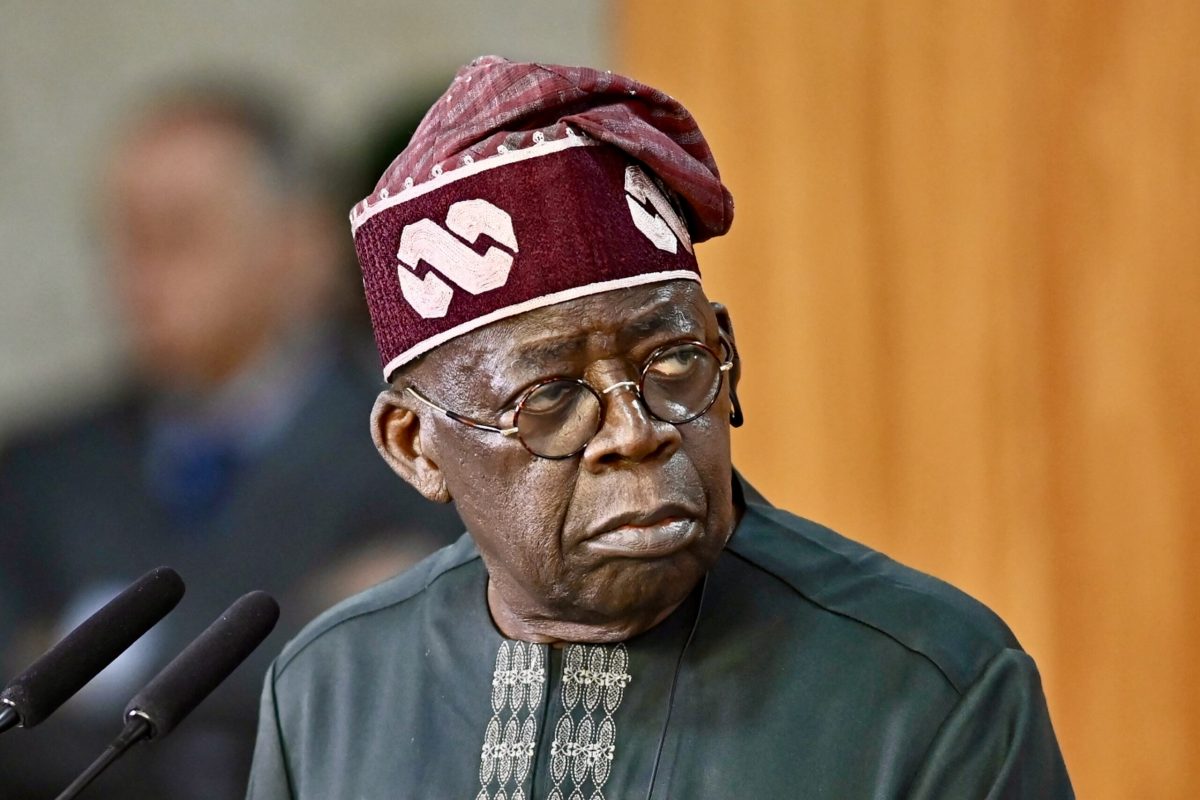
Delta State Governor Sheriff Oborevwori’s MORE Biz-Up Programme disburses financial grants to 2,000 MSMEs in a bold move to tackle economic hardship. But will this ambitious initiative empower entrepreneurs or fuel accusations of corruption and political favouritism? Read the full analysis on the potential economic impact and political consequences of Oborevwori’s flagship project.
Delta’s Economic Gamble—Oborevwori’s Grant Disbursement to 2,000 MSMEs Sparks Debate on Sustainability Amid Harsh Realities

ASABA, Delta State — In a political landscape fraught with economic turbulence, Delta State Governor, Rt. Hon. Sheriff Oborevwori, has embarked on a high-stakes gamble by disbursing financial grants to 2,000 Micro, Small, and Medium Enterprises (MSMEs). This latest initiative, dubbed the MORE Business Upscale Programme (MORE Biz-Up), is designed to inject much-needed capital into the state’s struggling small business sector. Yet, while many laud the governor’s efforts as a beacon of hope in a sea of economic despair, others question whether these grants are merely a short-term palliative that overlooks the structural issues plaguing Delta State’s economy.
On Thursday, at a grand ceremony held at the Events Centre in Asaba, Governor Oborevwori unveiled the MORE Biz-Up programme under the aegis of the Delta State Job and Wealth Creation Bureau. The initiative, according to the governor, is not just another in the litany of government-led job creation schemes but a critical pillar of his MORE Agenda—a multifaceted economic roadmap aimed at revitalising Delta State’s economy through targeted interventions in entrepreneurship.
“The MORE Business Upscale Programme, otherwise known as MORE Biz-Up, is aimed at providing stimulus in the form of financial grants to MSMEs in the state to grow their businesses and to cushion the effects of the harsh economic realities in our nation,” Oborevwori declared, his voice tinged with a mix of optimism and urgency.
This initiative, however, raises significant questions about its sustainability and long-term impact. Is this a genuine attempt to empower Delta’s entrepreneurial class, or is it a politically expedient move designed to placate a restless populace reeling from Nigeria’s economic freefall?
Economic Hardship and the Political Imperative
Nigeria’s economic landscape has been anything but forgiving in recent years. With inflation surging to unprecedented levels, a depreciating naira, and a national unemployment rate hovering dangerously high, small businesses in Delta State have found themselves on the brink of collapse. In this context, Oborevwori’s MORE Biz-Up initiative appears to be a lifeline for many entrepreneurs.
But critics argue that the timing of the initiative is telling. Coming on the heels of widespread public dissatisfaction with the state and federal governments’ handling of economic challenges, the grant disbursement could be viewed as a politically motivated attempt to shore up dwindling public confidence. After all, Delta State is not immune to the broader national sentiment that questions the competence and transparency of government-led economic interventions.
The governor’s rhetoric during the ceremony underscores the political stakes. By emphasising the selection of 1,000 fresh applicants and 1,000 verified past beneficiaries, Oborevwori aimed to project an image of fairness and inclusivity. Yet, the selection process, described as drawing from a pool of over 10,000 applicants, raises questions about transparency and the criteria used to determine who qualifies for these grants.
“Out of a pool of over 10,000 applicants, you are blessed to be among the chosen,” Oborevwori reminded the beneficiaries, a statement that, while uplifting, also hints at the exclusivity of the programme and the potential for political favouritism.
The MORE Agenda: Economic Salvation or Political Optics?
At the heart of this initiative lies the MORE Agenda, a cornerstone of Oborevwori’s administration. This ambitious economic blueprint aims to catalyse economic growth through various empowerment programmes, including D-CARES, M.O.R.E Grant, and M.O.R.E WESAP. However, the efficacy of these programmes remains a contentious issue.
While the governor’s allies, such as the State Chief Job and Wealth Creation Officer, Mr. Ifeanyi Egwuyenga, paint a rosy picture of the administration’s commitment to nurturing entrepreneurship, skeptics argue that these initiatives are more about optics than substance. Egwuyenga’s assertion that the MORE Biz-Up programme is “a clear evidence of our government’s unwavering commitment to nurturing entrepreneurs” may resonate with some, but it does little to address the underlying structural issues that hinder sustainable economic growth in Delta State.
Indeed, the reliance on grants as a primary tool for economic stimulation raises red flags. Grants, while beneficial in the short term, often fail to address the systemic challenges that stifle business growth, such as inadequate infrastructure, inconsistent power supply, and bureaucratic bottlenecks. Without tackling these issues head-on, the MORE Biz-Up programme risks becoming yet another well-intentioned but ultimately ineffectual government initiative.
Voices from the Ground: Hope and Skepticism
For the beneficiaries of the programme, however, the grants represent a glimmer of hope. Mr. Meshack Okeoghene, speaking on behalf of the recipients, expressed gratitude to Governor Oborevwori, describing the financial support as a “catalyst” for business growth. Yet, even among the beneficiaries, there is an undercurrent of skepticism. Many wonder whether the financial lifeline will be enough to navigate the treacherous waters of Nigeria’s economic crisis.
Similarly, representatives from key stakeholder groups, such as the Chairman of the Artisans Association, Ifeanyi Abanum, and the state ALGON Chairman, Hon. Isaiah Esiovwa, lauded the governor’s efforts. However, their calls for beneficiaries to make “judicious use of the facilities” hint at a broader concern: the fear that without proper oversight and support, the grants could be mismanaged or squandered, rendering the entire initiative futile.
In summary, the narrative surrounding Oborevwori’s MORE Biz-Up programme is one of cautious optimism tempered by a healthy dose of skepticism. The coming weeks will be crucial in determining whether this initiative can deliver on its promises or if it will join the growing list of government programmes that failed to move the needle on Delta State’s economic development.
In the next section, we will delve deeper into the political dynamics, the beneficiaries’ success stories and challenges, and the broader implications for Delta State’s economic future.
Beneath the Surface—Unpacking the Political, Economic, and Social Implications of Oborevwori’s MSME Grant Scheme

As Delta State basks in the immediate aftermath of Governor Sheriff Oborevwori’s disbursement of financial grants to 2,000 MSMEs, questions surrounding the sustainability, transparency, and long-term impact of the MORE Business Upscale Programme (MORE Biz-Up) continue to dominate public discourse. While the initiative has been heralded as a much-needed intervention to alleviate the economic woes of small businesses, a deeper analysis reveals a complex web of political manoeuvring, economic challenges, and social dynamics that could determine the programme’s ultimate success—or failure.
Political Calculations and the Timing of Economic Interventions
Governor Oborevwori’s MORE Biz-Up programme comes at a critical juncture in Delta State’s political landscape. With national and state elections looming on the horizon, the timing of the grant disbursement raises eyebrows. Is this initiative a genuine effort to foster economic development, or is it a strategic move designed to bolster the governor’s political capital ahead of a potentially contentious electoral season?
Political analysts argue that the latter cannot be ruled out. In Nigeria’s volatile political climate, where public perception can make or break a politician’s career, initiatives like MORE Biz-Up often serve dual purposes. On the surface, they appear as benevolent efforts to uplift the populace. However, beneath the surface, they function as tools to secure political loyalty and curry favour with key demographic groups—particularly small business owners, who represent a significant voting bloc.
“This initiative is not just about economic empowerment; it’s about political survival,” notes Dr. Emma Otuya, a political economist based in Asaba. “By targeting MSMEs, the governor is strategically aligning himself with a segment of the population that has the potential to influence electoral outcomes. It’s a calculated move.”
Indeed, the governor’s emphasis on selecting a diverse pool of beneficiaries—including both fresh applicants and verified past recipients—could be seen as an attempt to maximise political reach. By ensuring that no single group is left out, Oborevwori positions himself as a leader who is both inclusive and responsive to the needs of his constituents.
Yet, this strategy is not without risks. Should the initiative falter or fail to deliver tangible results, the political fallout could be severe. Critics and opposition figures are likely to seize on any shortcomings as evidence of the administration’s incompetence or lack of transparency, potentially undermining the governor’s political standing.
The Transparency Question: Who Really Benefits?
One of the most contentious aspects of the MORE Biz-Up programme is the process by which beneficiaries were selected. While the governor’s office maintains that the selection was based on merit and a rigorous vetting process, skeptics question the transparency of the exercise. With over 10,000 applicants vying for just 2,000 slots, the odds of selection were slim, leading to concerns about favoritism and political patronage.
“The selection process lacks clarity,” argues Dr. Blessing Udeh, a governance expert and civil society advocate. “We need to know who these beneficiaries are, how they were chosen, and what criteria were used. Without transparency, the entire initiative risks being perceived as another patronage scheme designed to reward loyalists rather than genuinely uplift struggling entrepreneurs.”
Indeed, the absence of a publicly accessible list of beneficiaries has fuelled speculation that political considerations may have influenced the selection process. Some critics point to the involvement of the Directorate of Youth Monitoring and Mentoring as a potential red flag, given the agency’s close ties to the state government and its role in verifying past beneficiaries.
Transparency advocates have called for the publication of a comprehensive list of beneficiaries, along with detailed information on the selection criteria and the amounts disbursed to each recipient. Such measures, they argue, would not only enhance public trust but also deter potential abuses of the programme.
Economic Realities: A Grant-Fuelled Economy or Sustainable Growth?
At the heart of the MORE Biz-Up initiative lies a fundamental economic question: Can grants alone drive sustainable economic growth? While financial injections into small businesses can provide a temporary boost, they are unlikely to address the structural challenges that have long plagued Delta State’s economy.
For many MSMEs, the primary obstacles to growth are not merely a lack of capital but also systemic issues such as inadequate infrastructure, erratic power supply, and limited access to markets. Without addressing these underlying problems, the impact of the grants may be limited to short-term gains rather than long-term sustainability.
Economist Dr. Uchenna Eze contends that while grants can serve as a catalyst for growth, they must be part of a broader, more comprehensive economic strategy.
“Grants are a useful tool, but they are not a panacea,” Eze explains. “To achieve sustainable growth, the government must also invest in critical infrastructure, streamline bureaucratic processes, and create an enabling environment for businesses to thrive. Otherwise, we risk creating a grant-dependent economy that collapses once the funding dries up.”
Moreover, the amount of the grants raises questions about their adequacy in meeting the needs of struggling businesses. In a country where inflation has eroded purchasing power and the cost of doing business continues to rise, small cash injections may do little more than provide a temporary lifeline.
The Social Dimension: Empowerment or Dependency?
Beyond the economic and political implications, the MORE Biz-Up programme also carries significant social ramifications. On the one hand, the initiative has the potential to empower a new generation of entrepreneurs, fostering a culture of self-reliance and innovation. On the other hand, there is a risk that such programmes could inadvertently foster dependency on government handouts, particularly if they are not accompanied by robust capacity-building initiatives.
Governor Oborevwori’s emphasis on the MORE Business School component of the programme suggests an awareness of this risk. By equipping beneficiaries with advanced business knowledge and fostering networking opportunities, the administration aims to build a cadre of entrepreneurs who are not only financially empowered but also intellectually equipped to navigate the complexities of the modern business landscape.
“Your success as entrepreneurs is crucial to the economic development of our state,” Oborevwori told the beneficiaries. “We shall continue to support your entrepreneurship journey.”
However, the effectiveness of the MORE Business School remains to be seen. Will it provide the practical skills and knowledge needed to drive business success, or will it be yet another bureaucratic exercise that fails to deliver tangible value? The answer to this question could determine whether the MORE Biz-Up programme serves as a genuine catalyst for economic transformation or simply another footnote in Delta State’s long history of government-led interventions.
Looking Ahead: The Challenge of Accountability
As the dust settles on the initial disbursement of grants, attention now shifts to the issue of accountability. How will the government ensure that beneficiaries use the funds as intended? Will there be mechanisms in place to monitor and evaluate the programme’s impact, or will it be a case of “disburse and forget”?
In the final section, we will explore the accountability mechanisms—or lack thereof—surrounding the MORE Biz-Up programme. We will also examine the broader implications for Delta State’s economic future and the political legacy of Governor Oborevwori’s administration. Stay tuned.
Accountability, Economic Legacy, and the Political Aftermath of the MORE Biz-Up Initiative

As Delta State Governor Sheriff Oborevwori basks in the immediate praise for the MORE Business Upscale Programme (MORE Biz-Up), the critical phase of the initiative is only beginning. The success or failure of this ambitious project hinges not only on the short-term economic relief it provides but also on its long-term impact on Delta’s entrepreneurial ecosystem. Crucially, it raises questions about the government’s capacity to enforce accountability, the initiative’s broader economic implications, and the legacy Oborevwori hopes to leave behind.
The Elusive Quest for Accountability
One of the most glaring concerns surrounding the MORE Biz-Up initiative is the lack of a clearly defined accountability framework. While Governor Oborevwori urged beneficiaries to “apply [the grants] wisely and responsibly,” the administration has yet to outline concrete measures to track the utilisation of the funds or assess the program’s impact on the state’s economy.
In a state where public funds have often vanished into the labyrinth of bureaucracy and corruption, the absence of robust oversight mechanisms is troubling. How will the government ensure that the grants are not misappropriated or diverted for personal use? What safeguards are in place to prevent fraud and ensure that the funds translate into tangible business growth?
The Directorate of Youth Monitoring and Mentoring, which played a role in vetting past beneficiaries, has been conspicuously silent on its plans for post-disbursement monitoring. This silence has not gone unnoticed by civil society organisations and opposition figures, who have called for greater transparency and independent oversight.
“Without a clear accountability framework, this initiative risks becoming another conduit for corruption,” warns Barrister Emmanuel Iweka, a prominent anti-corruption advocate in Delta State. “We need independent audits, regular progress reports, and a public database of beneficiaries to ensure that the funds are used for their intended purpose.”
Moreover, the absence of a feedback mechanism for beneficiaries to report challenges or seek additional support could undermine the programme’s effectiveness. If entrepreneurs encounter unforeseen obstacles or fail to achieve the expected growth, will the government step in to provide additional assistance, or will they be left to fend for themselves?
Economic Impact: A Sustainable Model or a Flash in the Pan?
While the MORE Biz-Up programme aims to stimulate economic growth, questions remain about its long-term viability. Can a one-time grant truly transform the fortunes of small businesses, or is it merely a temporary reprieve from the harsh economic realities that persist in Delta State and across Nigeria?
Critics argue that the initiative, though well-intentioned, may fall short of addressing the systemic issues that stifle business growth in the state. High taxation, poor infrastructure, inconsistent power supply, and limited access to credit are just a few of the challenges that MSMEs face daily. Without comprehensive reforms to address these structural impediments, the impact of the grants may be short-lived.
“The government needs to go beyond grants and focus on creating an enabling environment for businesses,” asserts Dr. Uchenna Eze, an economist and policy analyst. “Infrastructure development, tax incentives, and access to affordable credit are essential for sustainable economic growth. Otherwise, we risk creating a cycle of dependency where businesses rely on government handouts rather than becoming self-sufficient.”
Moreover, the economic multiplier effect of the grants remains uncertain. While some beneficiaries may use the funds to expand their operations, hire additional staff, or invest in new technologies, others may struggle to achieve meaningful growth. The government’s failure to disclose the average grant amount further complicates efforts to assess the program’s potential impact.
Political Ramifications: Securing Loyalty or Sowing Seeds of Discontent?
From a political perspective, the MORE Biz-Up initiative represents a high-stakes gamble for Governor Oborevwori. If successful, it could solidify his reputation as a visionary leader committed to economic empowerment and development. However, if the programme falters or fails to deliver on its promises, the political fallout could be severe.
The governor’s opponents have already begun to frame the initiative as a populist ploy designed to secure political loyalty rather than genuine economic progress. Allegations of favouritism and lack of transparency in the selection process have provided ample fodder for critics, who accuse the administration of using public funds to reward loyalists and political allies.
“This is not about economic empowerment; it’s about political patronage,” claims Hon. Felix Odili, a vocal opposition leader. “The governor is using state resources to buy loyalty and secure his political future. We demand transparency and accountability.”
Furthermore, the programme’s impact on public perception will be closely monitored as the state approaches the next election cycle. Will the beneficiaries and their communities rally behind the governor, or will unmet expectations and unfulfilled promises breed disillusionment and discontent? The answer to this question could determine the political landscape of Delta State in the years to come.
The Legacy Question: Building a Foundation for Future Generations
Beyond the immediate political and economic implications, the MORE Biz-Up initiative raises important questions about Governor Oborevwori’s legacy. Will he be remembered as a leader who laid the groundwork for sustainable economic development, or will his tenure be marked by short-term interventions that failed to address the root causes of Delta State’s economic challenges?
The governor’s emphasis on entrepreneurship and job creation aligns with his broader “MORE Agenda,” which aims to foster economic growth, improve infrastructure, and enhance the quality of life for Deltans. However, the success of this agenda depends on the administration’s ability to implement comprehensive and sustainable policies that go beyond grant disbursement.
“A true legacy is built on lasting impact, not temporary relief,” notes Professor Jane Attah, a political scientist. “Governor Oborevwori has the opportunity to transform Delta State’s economy, but it will require bold leadership, strategic planning, and unwavering commitment to transparency and accountability.”
Conclusion: A Crossroads for Delta State
The MORE Biz-Up initiative represents both a promise and a challenge for Delta State. It is a promise of economic empowerment, entrepreneurial growth, and a brighter future for the state’s small business community. But it is also a challenge—an opportunity for the government to demonstrate its commitment to transparency, accountability, and sustainable development.
As the initial excitement surrounding the grant disbursement begins to fade, the true test of the programme’s success lies ahead. Will the beneficiaries thrive and contribute to Delta State’s economic growth, or will the initiative become yet another missed opportunity in the state’s quest for development?
Governor Oborevwori stands at a crossroads. His administration’s ability to navigate the complexities of economic empowerment, political loyalty, and public accountability will determine not only the success of the MORE Biz-Up programme but also the legacy he leaves for future generations of Deltans. The eyes of the state—and indeed the nation—are watching.
Additional report by Omonigho Macaulay, Atlantic Post National Correspondent.