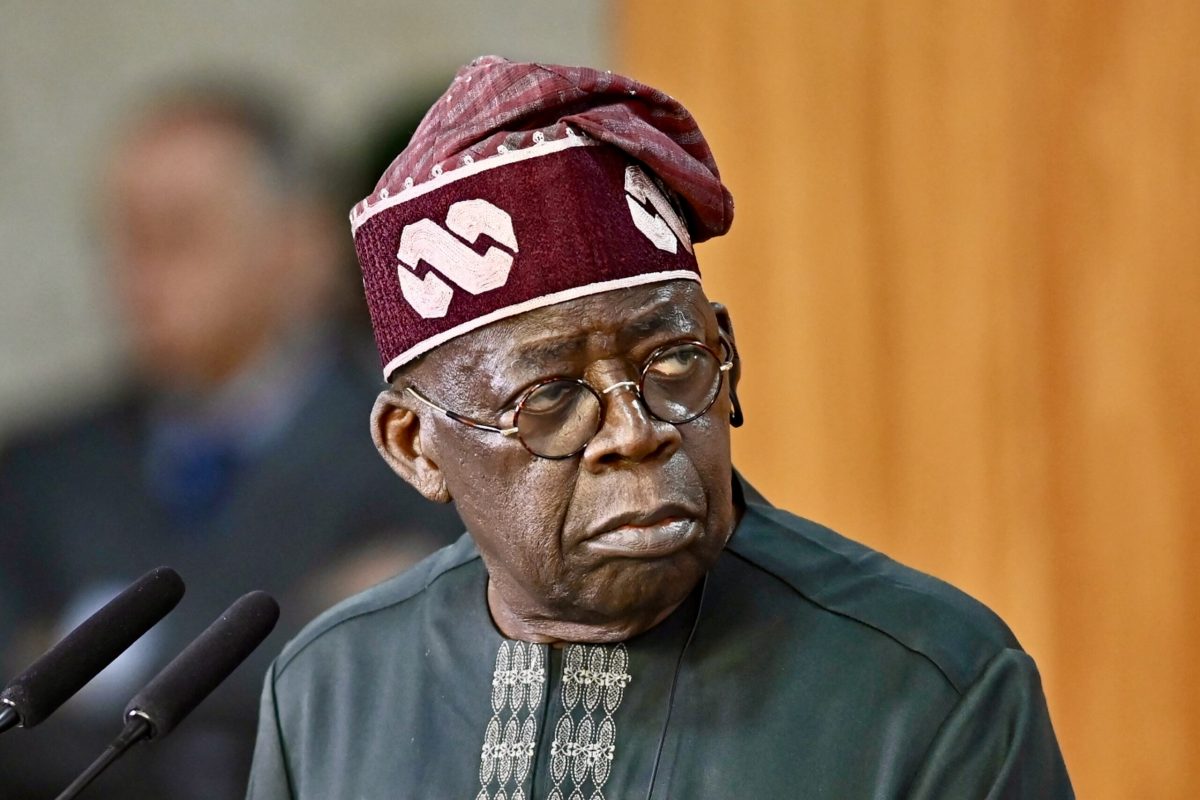
In a blistering address to the nation, the Nigerian Medical Association (NMA) has hurled a 21‑day ultimatum at President Bola Ahmed Tinubu’s administration, threatening industrial action unless the Federal Government rescinds and revises its recent circular on the Consolidated Medical Salary Structure (CONMESS).
This brazen move by the body representing the country’s beleaguered doctors comes amid a catastrophic healthcare crisis marked by chronic underfunding, rampant “brain drain” and a doctor-to-patient ratio rivalled only by the world’s least‑developed nations.
An Unforgivable Breach of Trust
At an Abuja press conference on Wednesday, NMA President Dr Bala Audu condemned the National Salaries, Incomes and Wages Commission’s circular (SWC/5/04/5.218/III/646) of 27 June 2025 as “grossly inadequate, misleading and a flagrant violation” of past Collective Bargaining Agreements (CBAs) reached in 2001, 2009 and 2014.
The circular purportedly adjusts allowances for medical and dental practitioners, yet deliberately ignores the salary structure table painstakingly submitted by the NMA, leaving doctors to shoulder ever‑mounting economic pressures at a time when Nigeria’s GDP per capita has shrunk and inflation hovers near 30%.
Dr Audu did not mince words: this circular robs practitioners of principles of fairness and justice and blatantly disregards agreed relativity between CONMESS and the Consolidated Health Salary Structure.
By so doing, the government not only reneges on its word, it also risks triggering a mass walk‑out just as Nigeria faces its worst healthcare manpower shortfall in decades.
A Health Sector in Freefall
Nigeria’s doctor-to-patient ratio is estimated at between 1:5,000 and 1:9,083, compared with the World Health Organisation’s recommended 1:600.
This alarming deficit—some 10 times worse than global standards—has been compounded by the exodus of doctors overseas.
Over 20,000 Nigerian physicians now practise in the United States, while the United Kingdom hosts some 12,000 more, representing half of all licensed doctors originally trained in Nigeria.
Between 2019 and 2023, more than 16,000 doctors formally emigrated, leaving just 55,000 to serve a population that will soon exceed 220 million.
As healthcare infrastructure crumbles, rural communities bear the brunt. In many states, hospital wards are run by overstretched nurses and community health workers.
Even basic surgical procedures can be delayed for weeks. Maternal mortality, already among the highest in the world, has surged, with an estimated 82,000 women dying from pregnancy-related complications in 2020—a crisis critics link directly to doctor shortages and underfunding.
Demands Beyond Pay: A Comprehensive Reform Agenda
The NMA’s ultimatum extends far beyond mere salary tweaks. Among its 20‑point demands are:
Withdrawal and redrafting of the 27 June circular to honour CBAs of 2001, 2009 and 2014, including full back‑payment of allowances;
Immediate settlement of arrears for 25–35 per cent CONMESS, clinical duty and accoutrement allowances;
Activation of the Medical Residency Training Fund (MRTF) for 2025 and its adjustment to prevailing economic realities;
Convening long‑overdue CBA negotiations on CONMESS;
Release of circulars on clinical duty and other allowances for honorary consultants, as agreed in January 2024;
Introduction of scarce‑skills and specialist allowances for consultants;
Universal application of CONMESS across all federal and state ministries and agencies to curb internal “brain drain”;
Establishment of hospital management boards to enhance governance and operational efficiency;
Provision of comprehensive health insurance and welfare packages for all medical and dental practitioners;
Reversal of unqualified appointments of non‑medical personnel to consultant roles, to safeguard patient safety.
This sweeping agenda underscores the breadth of dysfunction within Nigeria’s health sector, where doctors routinely purchase basic supplies, work unpaid overtime and endure chronic insecurity—both on the wards and in their homes.
Tinubu’s Troubling Track Record
President Tinubu’s reformist claims—central to his 2023 electoral mandate—ring hollow in the face of successive healthcare calamities. His administration has failed to raise the health budget from its entrenched 4 per cent of national expenditure, well below the 15 per cent Abuja Declaration commitment.
Further, the government’s recent Circular on the Consolidated Health Salary Structure, issued in June 2024, remains unenforced, even as house officers and resident doctors protest staggered postings and unpaid stipends.
Critics accuse the presidency of wilful negligence: after all, a robust healthcare system underpins economic growth, national security and social stability. Yet, as Nigeria grapples with epidemics of Lassa fever and crime‑related injuries, the government appears more concerned with public relations than praxis.
The NMA’s ultimatum is thus not merely a demand for dues; it is a referendum on Tinubu’s ability—and willingness—to prioritise the lives of ordinary Nigerians over political expediency.
Potential Fallout: More Than a Doctors’ Strike
Should the Federal Government refuse to meet the ultimatum within 21 days, Nigeria risks its first nationwide doctors’ strike in over a decade—with dire consequences.
Already, state governments in the North‑East and South‑South have reported ward closures and ambulance shortages following localised industrial actions.
A national strike would halt surgeries, emergency care and maternal services, threatening thousands of lives.
Economists warn that such a shutdown could shave off 1 per cent from GDP growth, disrupt international investment, and inflame social unrest in a country already beset by hunger, insecurity and inflation.
Moreover, a strike would likely accelerate brain drain, as frustrated doctors seek greener pastures rather than endure further betrayals.
A Call to Action: The Public Must Decide
The NMA has appealed directly to Mr President, the National Assembly and, crucially, the Nigerian people.
“We are under oath to protect and promote the wellbeing of all Nigerians,” Dr Audu declared. “Our goodwill is boundless, but our patience is not infinite.”
In effect, the NMA is inviting public scrutiny of Tinubu’s health‑sector record, daring citizens to choose between hollow promises and real reform.
As this 21‑day countdown ticks away, all eyes will be on Aso Rock and the National Assembly.
Will the government seize this opportunity to redeem its pledge and avert a health‑sector meltdown?
Or will it gamble with millions of lives, secure in the knowledge that strikes do not topple presidents?
One thing is certain: whichever path is chosen will define Nigeria’s healthcare destiny for years to come.