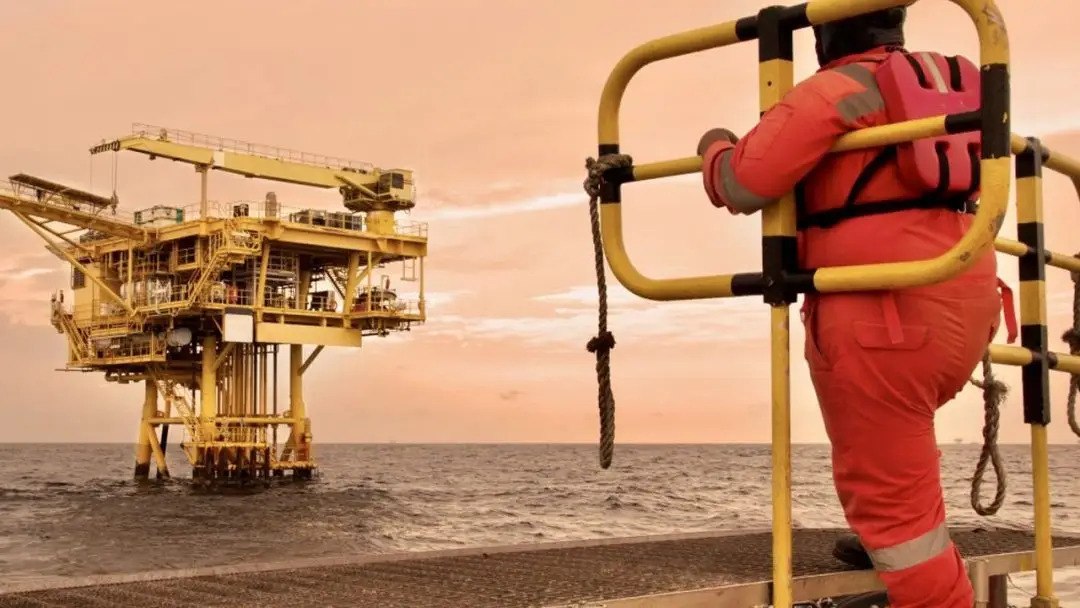
Nigeria’s oil sector faces a severe crisis, with production dropping to 1.4 million barrels per day in February, risking its OPEC quota. Pipeline vandalism, increasing infrastructure decay, and government inaction compound the situation, threatening the economy and national revenue. Urgent rehabilitation and investment are needed to avert a catastrophic decline.
ABUJA, Nigeria — In a stunning turn of events that has ignited fierce debate in Abuja and beyond, Nigeria’s oil sector—long the beating heart of the nation’s economy—is now in the throes of a deepening crisis.
Recent statements from the Nigerian Upstream Petroleum Regulatory Commission (NUPRC) and the EFCC, coupled with a resolute House of Representatives mandate for urgent pipeline rehabilitation, paint a bleak picture.
With oil production dropping sharply in February and revenue losses mounting, the nation’s oil-dependent economy faces an existential challenge that threatens both national revenue and international standing.
A Grim Snapshot of Production Decline
The latest figures reveal a precipitous drop in production, with Nigeria’s output falling to 1.4 million barrels per day (bpd) in February—a stark decline that has seen the country flirt with missing its Organisation of Petroleum Exporting Countries (OPEC) quota of 1.5 million bpd.
This downward trend is particularly alarming given that the daily average production in February was recorded at 1,671,953 bpd when including both crude oil and condensate.
Yet, these numbers mask an underlying fragility: the country is producing an average crude oil output that barely meets 98 per cent of its OPEC commitment, with peak production at a mere 1.7 million bpd and troughs as low as 1.6 million bpd.
While February’s total oil output translated into an estimated revenue of approximately $3 billion—based on an average price of $74 per barrel—the financial triumph is undercut by the economic reality of mounting losses.
With production figures falling by 73,691 bpd compared to January, industry experts warn that Nigeria’s oil revenue is slipping through government fingers, imperilling national budgets already teetering on the brink.
The Price of Sabotage: Pipeline Vandalism and Infrastructure Decay
At the heart of this crisis lies the fragility of Nigeria’s pipeline infrastructure—a vital artery for the nation’s oil wealth. The House of Representatives has voiced its growing anger and frustration, calling on the Presidency to urgently rehabilitate these networks.
Between 2018 and 2023, over 7,000 incidents of pipeline vandalism were recorded, culminating in a staggering loss of $12.74 million worth of crude oil.
This isn’t merely a case of mechanical failure or natural degradation; it is a deliberate, systemic assault on the country’s economic lifeblood.
The situation escalated dramatically in October 2024 when crude oil supply to Shell’s Forcados Terminal was slashed by 50 per cent due to acts of sabotage.
The disruption led to severe loading delays and even flirted with force majeure declarations—potentially crippling Nigeria’s ability to honour its export commitments and further denting investor confidence.
Such incidents underscore a critical vulnerability: while Nigeria’s oil and gas sector contributes roughly nine per cent to the Gross Domestic Product (GDP) and over 90 per cent of export revenues, its physical infrastructure is under constant threat, jeopardising long-term economic stability.
Economic Implications: More Than Just Numbers
The impact of this production slump extends far beyond the oilfields. Oil revenue forms the backbone of Nigeria’s national budget, and any disruption in supply or pricing sends ripples through all sectors of the economy.
The current scenario, with production dipping below both the OPEC quota and the country’s own budget benchmark of 2.06 million bpd, is an alarming indicator of the mounting pressure on the national purse. A widening deficit looms large as the country struggles to meet its fiscal targets.
In an economy where oil revenue funds critical infrastructure, social programmes, and public sector salaries, the continued production decline risks plunging Nigeria into an economic abyss.
International investors, already wary of Nigeria’s security challenges, may be further deterred by the apparent inability of the government to secure its key assets.
The argument is not merely academic—if Nigeria’s oil sector falters, the entire national economy could be dragged into a prolonged period of stagnation, affecting millions of lives.
Political Fallout and the Demand for Accountability
The heated debates in the House of Representatives are emblematic of the political fallout from this crisis. Spearheaded by Deputy Chairman of the House Committee on Sustainable Development Goals, Muhammed Shehu, a motion on matters of urgent national importance has been adopted, calling on the Presidency to take decisive action.
In his impassioned lead debate, Shehu warned that “the effective transportation of petroleum resources is dependent on the integrity of the country’s pipeline infrastructure.”
His message resonated across the chamber as lawmakers grappled with the stark reality of a sector under siege from both external and internal forces.
Critics have long argued that successive governments have failed to prioritise adequate maintenance and security of critical infrastructure.
The repeated incidents of sabotage, coupled with the glaring inefficiencies in pipeline management, have only served to validate these concerns.
The House resolution, mandating an in-depth review of existing security and maintenance measures, is a clarion call for accountability.
It forces the government to confront the harsh truth: unless immediate and effective measures are taken, Nigeria’s oil fortunes will continue to decline, with catastrophic consequences for the broader economy.
Terminal Performance: A Microcosm of the Crisis
A closer examination of performance at key oil terminals further illustrates the extent of the crisis. The Forcados Terminal, once a robust engine of production, recorded a significant drop from 8.86 million barrels in January to 7.75 million barrels in February.
Similarly, the Bonny terminal saw its output tumble from 8.1 million to 6.3 million barrels. Even well-established facilities like Qua Iboe, Escravos, Obudu, and Tulja–Okwuibome experienced declines ranging from 10 to 20 per cent.
These figures are more than mere statistics—they are symptomatic of a systemic failure that affects every echelon of the oil sector.
Each terminal’s performance is intricately linked to the broader challenges of pipeline security, ageing infrastructure, and the persistent threat of vandalism.
The cumulative effect of these declines not only hampers production but also sends a strong signal to both domestic and international stakeholders: Nigeria’s oil sector is vulnerable, and urgent action is needed to reverse this downward spiral.
The Broader Geopolitical Context
Nigeria’s predicament is not occurring in isolation. Globally, the oil market has been buffeted by a series of shocks—from fluctuating prices to geopolitical tensions—that have had a pronounced impact on oil-dependent economies. In this volatile landscape, Nigeria’s struggles are being magnified.
While some oil-producing nations have managed to stabilise production and cushion their economies against global shocks, Nigeria’s persistent production issues and infrastructural vulnerabilities have left it exposed.
This global context adds another layer of urgency to the current crisis. With international markets closely monitoring Nigeria’s production figures, any further decline could trigger a cascade of economic consequences, affecting not only national revenue but also the country’s standing within OPEC and among global investors.
The need for a coordinated, comprehensive response has never been more critical.
Roadmap to Recovery: A Matter of National Survival
The urgent call for pipeline rehabilitation by the House of Representatives is a step in the right direction, but it is only the beginning. To safeguard its economic future, Nigeria must embark on an ambitious programme of infrastructure revitalisation, enhanced security protocols, and robust maintenance practices.
This will require significant investment—not only from the government but also from private stakeholders who have a vested interest in the sector’s long-term viability.
A multipronged approach is essential. Firstly, investing in modern, resilient pipeline technology could help mitigate the effects of vandalism and sabotage.
Secondly, a comprehensive overhaul of the security apparatus surrounding these critical assets is imperative. This should involve enhanced surveillance, better community engagement to deter criminal activities, and stronger law enforcement measures.
Finally, there must be a concerted effort to diversify Nigeria’s economy away from its heavy reliance on oil, thereby reducing the impact of future shocks.
Conclusion: A Crossroads for Nigeria’s Oil Future
Nigeria stands at a critical juncture. The sensational figures emerging from the latest production report are not just numbers on a page—they are a stark reminder of the fragility of an oil sector that has long been the cornerstone of national prosperity.
With production slipping below critical benchmarks, coupled with rampant pipeline vandalism and a widening economic deficit, the nation faces a dilemma of epic proportions.
The urgent mandate from the House of Representatives is both a warning and a call to action. It is a demand for accountability, resilience, and transformative change in a sector that has been mired in decades of neglect and mismanagement.
The stakes could not be higher. If Nigeria fails to address these systemic issues, the country risks not only a further decline in oil production but also the unraveling of an economy that millions depend on.
In this high-stakes game of oil and power, every barrel lost is a blow to national pride and economic stability.
As the nation grapples with these challenges, one thing is clear: decisive, visionary leadership is required to steer Nigeria out of this crisis and onto a path of sustainable growth and prosperity.
The world is watching—and the future of Nigeria’s oil industry hangs in the balance.
- Additional report from Taiwo Adebowale, Atlantic Post Senior Business Correspondent