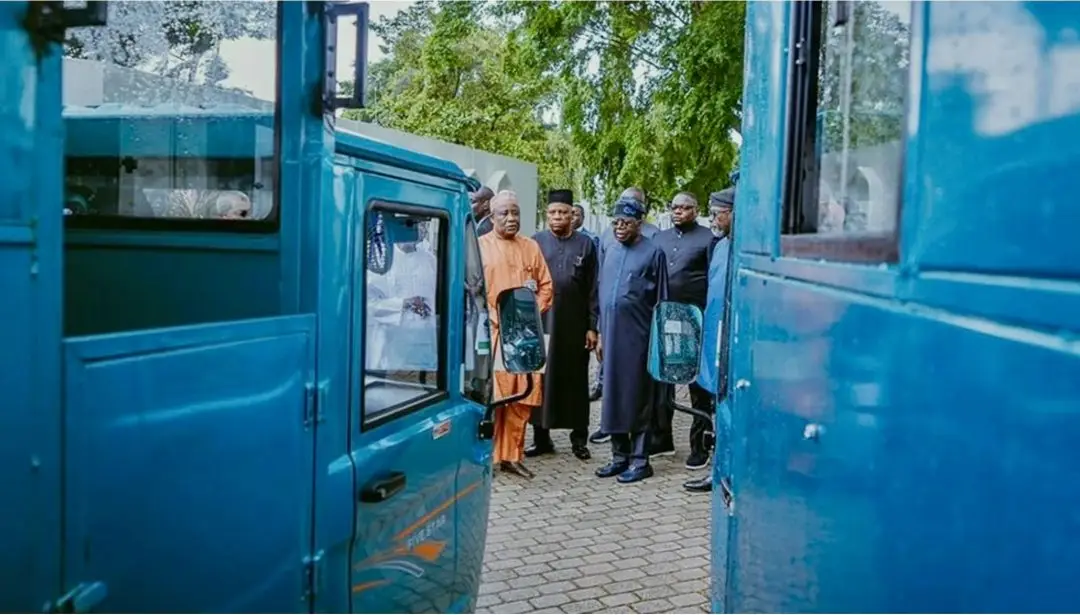
The Tinubu administration in Nigeria has launched a mass electric vehicle initiative in the North-East, marking a significant shift from fossil fuels. With nearly $100 million invested, it includes 10 electric buses and thousands of e-tricycles, aiming to reduce emissions and stimulate economic growth despite concerns over infrastructure readiness.
ABUJA, Nigeria — In a bold move that is set to reshape the landscape of public transport in Nigeria’s North-East, the Tinubu administration has given the green light to a mass electric vehicle initiative, signalling a decisive break from the country’s longstanding reliance on fossil-fuel-powered transport.
With the Federal Executive Council recently clearing the final hurdle, a sprawling investment worth nearly $100 million (N151.9 billion) is poised to electrify the region’s roads and air fresh hope for a greener, more sustainable future.
A Strategic Leap Towards Sustainable Mobility
The contracts, approved last week, underscore an aggressive push to integrate electric mobility into everyday life.
At the forefront of this initiative is the procurement of ten state-of-the-art 17-seater electric buses from Bluecrest Integrated Concept Limited, which are scheduled to be delivered within six months for a contract sum of N2.9 billion.
This fleet is not merely a replacement for ageing diesel buses—it represents a strategic pivot towards cleaner, quieter, and more energy-efficient public transport.
In tandem, a monumental order for e-tricycles has been carved out. Messrs Mutual Commitment Company Limited is tasked with delivering 4,000 electric tricycles for N49.6 billion within a nine-month window, while Shanghai Integrated Infrastructure Development has secured a contract to supply an additional 3,000 units for N37.2 billion.
Sinoma Investment International Limited will further complement this fleet with another 3,000 e-tricycles, each designed to accommodate nine passengers plus the driver.
The sheer volume of this order not only speaks to the government’s commitment to a cleaner future but also to the ambition of revolutionising local transport in one of Nigeria’s most dynamic regions.
Electrification and Economic Implications
Perhaps the most striking aspect of this initiative is its dual promise: reducing carbon emissions and bolstering the local economy.
For a contract sum of N16.3 billion, Messrs. HNCEGC will introduce a range of electric vehicles, including 100 BYD Dolphin EVs, 100 BYD Qin Plus EVs, and 37 BYD Yuan Plus EVs.
Meanwhile, KB Laman Motors Nigeria Limited has been contracted for N8.4 billion to establish the much-needed charging infrastructure for the entire fleet, ensuring that these vehicles have the support systems required to operate efficiently.
Backed financially by the North East Development Commission, the contracts are a critical component of a broader regional strategy to reduce the environmental footprint and stimulate economic growth.
By reducing dependence on fossil fuels, the plan is expected to lower operating costs in the long term, attract foreign investment, and create a host of new jobs in maintenance, operations, and infrastructure development.
An Argument in Favour Amidst Skepticism
Critics, however, argue that the ambitious plan is not without its risks. Concerns have been raised over the region’s current power grid capabilities, maintenance expertise, and the overall readiness of the local ecosystem to handle such a dramatic shift.
Some detractors posit that without a concurrent overhaul of the nation’s electrical infrastructure, the reliability of charging points might be compromised, thereby hampering the smooth operation of these new electric vehicles.
They caution that a half-hearted approach to upgrading ancillary services could ultimately lead to disruptions and inefficiencies.
Yet, proponents of the initiative are undeterred. They contend that this venture is an essential investment in the future—a necessary gamble in the fight against climate change and an exemplar of progressive leadership by the Tinubu administration.
President Tinubu, who first approved the procurement of these e-vehicles last October and subsequently inspected the samples of the vehicles, chargers, and batteries, has made it clear that this is not just a short-term project but a transformative, long-term strategy to reposition Nigeria on the global stage as a leader in sustainable transport.
Implications for Nigeria’s Future
The ripple effects of this development are expected to extend well beyond the immediate region. Should the electrification project succeed, it could serve as a blueprint for other parts of Nigeria and even across Africa—a continent where rapid urbanisation and escalating carbon emissions necessitate innovative solutions.
The electric vehicle programme is a testament to Nigeria’s readiness to embrace cutting-edge technology and to demonstrate that environmental sustainability can go hand in hand with economic progress.
Moreover, this venture may stimulate ancillary industries, from renewable energy generation to the burgeoning tech sector tasked with managing smart grids and digital payment systems for charging points.
It represents not just a leap in public transportation but a foundational shift in how Nigeria conceptualises and executes its long-term development plans.
A Sensational Step Forward
As the nation watches with bated breath, the North-East electric vehicle initiative stands as a microcosm of broader global trends.
The Tinubu administration’s daring foray into electric mobility is being hailed as a visionary step that challenges the status quo while igniting debates on feasibility, sustainability, and national readiness.
Whether viewed as a masterstroke of environmental policy or as a risky gamble with a high stakes payoff, this landmark project is already reshaping discussions around urban transport in Nigeria.
This Atlantic Post report not only highlights the technical and economic dimensions of the plan but also underscores its significance as a potential harbinger of change.
As Nigeria strides confidently into the future, the world will be watching closely—curious to see if this bold investment in electric vehicles will indeed power a new era of sustainable development across the region.