By Editor
In a heated exchange that has captivated the nation’s attention, the Nigeria Police Force (NPF) has issued a robust defense of its actions following allegations from activist Deji Adeyanju and others. The accusations, which assert that the Inspector General of Police (IGP) is attempting to undermine constitutional rights by requesting details of protest organizers, have sparked a nationwide debate on the balance between security and freedom of assembly. This critical report seeks to dissect the police’s statement, evaluate the constitutional responsibilities of law enforcement, and explore the implications for civil liberties in Nigeria.

Context of the Controversy
The controversy erupted when Deji Adeyanju, a prominent activist known for his outspoken criticism of government policies, accused the IGP of overstepping his constitutional bounds. Adeyanju’s allegations centered on the police’s request for detailed information about the organizers and leaders of planned nationwide protests. This request, according to Adeyanju, was an attempt to intimidate and stifle dissent, a charge the NPF vehemently denies.
The Police’s Position: Clarifying Responsibilities
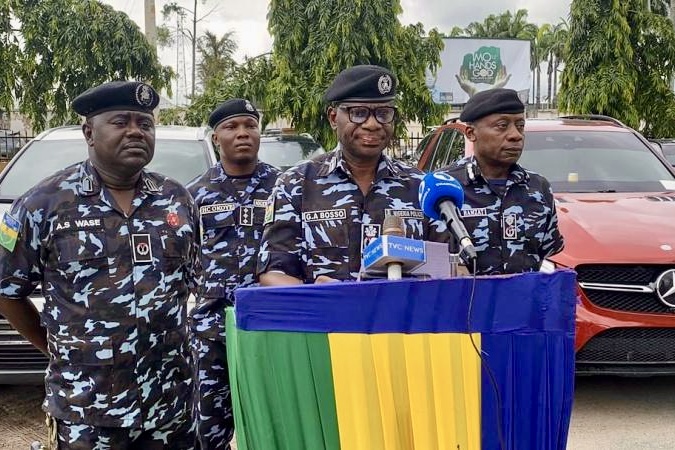
The Nigeria Police Force responded with a press release dated July 28, 2024, titled “RE: POLICE IG ACCUSED OF TRYING TO REWRITE CONSTITUTION: NPF SETS THE RECORD STRAIGHT.” In this statement, the NPF clarified its stance, asserting that the request for information was standard procedure aimed at ensuring public safety and maintaining order.
Constitutional Rights and Public Order
The NPF emphasized that it has never denied the constitutional right of citizens to freedom of association and expression. However, it stressed that these rights must be exercised peacefully. According to the police, their role includes ensuring that any public activity, including protests, does not pose a threat to national security. The NPF cited Section 45 (1) of the 1999 Constitution of the Federal Republic of Nigeria, which allows for restrictions on certain rights in the interest of defense, public safety, public order, public morality, or public health.
Analyzing the Police’s Argument
Standard Procedure or Overreach?
The NPF’s assertion that requesting details of protest organizers is a standard procedure is rooted in the need for effective communication and safety management. By knowing the specifics of planned protests, the police can allocate resources, ensure routes are clear, and minimize potential clashes or disruptions. This approach is not unique to Nigeria and is practiced in many democracies worldwide.
However, critics argue that such requests can also serve as a pretext for surveillance and intimidation. In a country with a history of government crackdowns on dissent, the fear is that these measures could be used to preemptively stifle legitimate protests and silence critical voices.
The Legacy of EndSARS Protests
The NPF’s reference to the 2020 EndSARS protests is particularly poignant. The EndSARS movement, which began as a call to disband the notorious Special Anti-Robbery Squad (SARS), escalated into nationwide demonstrations against police brutality and government corruption. The protests, initially peaceful, eventually saw violent clashes, resulting in deaths and injuries. The police argue that the chaos and violence of the EndSARS protests underscore the need for proper oversight and planning for any large-scale public demonstrations.
Balancing Security and Civil Liberties
The core of the debate lies in balancing the need for security with the preservation of civil liberties. This balance is not easily achieved and often requires careful consideration of the context and potential consequences of both action and inaction.
The Right to Protest
Protesting is a fundamental democratic right enshrined in the Nigerian constitution. It allows citizens to express their grievances, demand accountability, and push for change. This right is essential for the functioning of a healthy democracy and must be protected.
Ensuring Public Safety
At the same time, the government has a duty to ensure public safety. Large gatherings can pose risks, not only to the protesters but also to the general public. The role of the police is to mitigate these risks while respecting the rights of citizens. This includes preventing violence, ensuring that protests do not disrupt essential services, and protecting both protesters and non-participants from harm.
Historical Precedents and Global Perspectives
The tension between security and civil liberties is not unique to Nigeria. Across the globe, democracies grapple with similar challenges.
The United States
In the United States, the right to protest is protected under the First Amendment. However, there are regulations that require protest organizers to obtain permits, particularly for large gatherings. These permits are intended to ensure that the protests do not impede traffic, infringe on the rights of others, or pose a security risk. The U.S. has seen numerous instances where the balance between security and freedom has been contested, with varying outcomes.
France
France has a long history of protests, with the “gilets jaunes” (yellow vests) movement being a recent example. French authorities require protest organizers to notify local authorities, providing details about the location, timing, and route of the march. This notification process is intended to facilitate coordination with law enforcement and ensure public safety. However, France has also faced criticism for its handling of protests, with allegations of excessive force and curtailment of civil liberties.
The Role of the Judiciary
In democracies, the judiciary often plays a crucial role in adjudicating disputes over the right to protest and the government’s duty to maintain order.
Nigerian Courts
In Nigeria, the courts have historically upheld the right to peaceful assembly. However, the interpretation and enforcement of this right can vary. Activists like Deji Adeyanju argue that the judiciary must remain vigilant in protecting civil liberties, particularly in the face of executive overreach.
Judicial Precedents
There have been several landmark cases in Nigeria that have reinforced the right to protest. These cases often highlight the delicate balance between ensuring public order and respecting individual freedoms. The judiciary’s role in these matters is to provide a check on executive power and ensure that any restrictions on rights are lawful, necessary, and proportionate.
Public Opinion and the Role of Civil Society
Public opinion plays a significant role in shaping the discourse around protests and government responses. Civil society organizations, activists, and the media are crucial in holding the government accountable and advocating for the protection of civil liberties.
Civil Society’s Response
Civil society organizations in Nigeria have been vocal in their support for the right to protest. They argue that any attempt to curtail this right undermines democracy and stifles dissent. These organizations have called for greater transparency and accountability in the government’s handling of protests and have demanded that the police respect the constitutional rights of citizens.
Media Coverage
The media also plays a critical role in shaping public perception. By providing coverage of protests and government responses, the media can influence public opinion and hold authorities accountable. However, media coverage can sometimes be biased or sensationalized, complicating the public’s understanding of the issues at hand.
Conclusion: Navigating the Path Forward
The debate over the right to protest and the police’s role in maintaining order is complex and multifaceted. Inibehe Effiong’s criticism of the IGP’s actions underscores the tension between safeguarding civil liberties and ensuring public safety. As Nigeria navigates this contentious issue, it is crucial to uphold the principles of democracy and the rule of law.
Upholding Constitutional Rights
The government must reaffirm its commitment to protecting the constitutional rights of citizens, including the right to peaceful assembly. Any measures taken to regulate protests must be transparent, lawful, and proportionate. The police should engage with protest organizers in good faith, facilitating peaceful demonstrations rather than stifling dissent.
Ensuring Public Safety
At the same time, the government has a responsibility to ensure public safety. This requires a balanced approach that respects civil liberties while mitigating risks. Effective communication and coordination between protest organizers and law enforcement can help achieve this balance.
The Role of Dialogue
Dialogue between the government, civil society, and protest organizers is essential. Open channels of communication can help address concerns, build trust, and foster a more cooperative approach to managing protests. By working together, stakeholders can find solutions that uphold both security and civil liberties.
Final Thoughts
As Nigeria continues to grapple with these challenges, the voices of activists, civil society organizations, and the judiciary will remain crucial in shaping the nation’s path forward. In the spirit of democracy, it is imperative to protect the right to protest while ensuring the safety and well-being of all citizens. By navigating this delicate balance, Nigeria can strengthen its democratic institutions and uphold the rule of law.