Editor
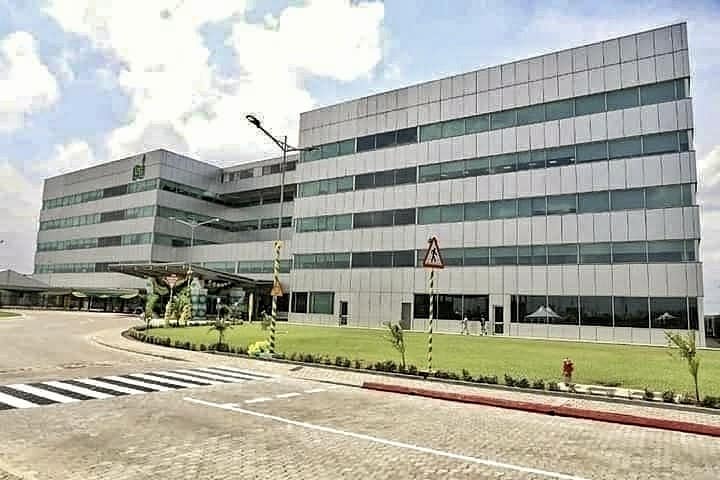
When Nigeria Liquefied Natural Gas Company (NLNG) announced in December 2011 that it was relocating its head office from Lagos to Port Harcourt, the news was met with widespread excitement in Rivers State. The then-Governor of Rivers State triumphantly declared that it was finally time for Rivers people to enjoy the economic benefits that Lagos had basked in for years, despite the company’s only production facility being located in Rivers State. This announcement was seen as a long-overdue recognition of Rivers State’s importance to NLNG’s operations, a move that was expected to bring jobs, contracts, and development to the host community.

However, thirteen years later, the reality of this relocation has fallen woefully short of expectations. What was promised as a new dawn for Rivers State has turned into a mirage—a carefully constructed illusion of progress that masks deep-seated inequities and a blatant disregard for the host community’s rights. This investigative report delves into the troubling practices of NLNG since its relocation, examining issues of tax evasion, employment discrimination, and the marginalisation of Rivers State indigenes in the company’s operations.
NLNG’s Integrity Under Scrutiny
NLNG proudly lists “Integrity” as one of its core values, boasting on its website about its commitment to partnering with its host community and contributing to the building of a better Nigeria. Yet, a closer examination of the company’s practices reveals a stark contradiction between its words and actions. Instead of fostering an equitable relationship with Rivers State, NLNG appears to have engaged in a calculated scheme of deceit, exploiting the state’s resources while sidelining its people.
Tax Evasion: A Hidden Scandal?
One of the most glaring issues surrounding NLNG’s operations in Rivers State is the question of whether the company is fulfilling its tax obligations to the state government. Specifically, there are serious concerns about whether the Pay-As-You-Earn (PAYE) taxes of NLNG staff in Rivers State are being properly remitted to the state’s treasury.
An audit by the Rivers State Accountant General and Auditor General could potentially unearth a plethora of questionable practices by NLNG, including the possibility of tax evasion. Such an audit would not only reveal whether NLNG is paying its fair share of taxes but also shed light on the broader issue of corporate accountability in Nigeria. The implications of such findings could be far-reaching, potentially exposing a pattern of corporate malfeasance that undermines the financial stability of Rivers State.
Employment: A Case of Systemic Discrimination
Employment opportunities were one of the major selling points of NLNG’s relocation to Port Harcourt. Rivers State indigenes were led to believe that they would finally have access to the lucrative jobs that had previously been concentrated in Lagos. However, the reality has been starkly different. The same individuals who controlled employment in Lagos continue to hold sway in Port Harcourt, ensuring that the status quo remains unchanged.
NLNG’s excuse for the lack of Rivers State indigenes in its workforce is both insulting and disingenuous. The company claims that Rivers people do not pass the required exams, a justification that reeks of systemic discrimination. As one prominent local leader pointedly remarked, “If they don’t pass, then take them and train them.” The insinuation that the land is good enough for the plant, but its people are not qualified to work there, is a gross injustice that must be addressed.
The Ministry of Employment must conduct a forensic audit of NLNG’s employment records, comparing the staff strength as of 2011 with the current figures. This audit should specifically focus on how many Rivers sons and daughters have been employed since the relocation, compared to the rest of Nigeria. The findings of such an audit would undoubtedly reveal a glaring disparity that underscores the need for greater equity in NLNG’s employment practices.
Management Positions: The Elitism of Exclusion
The exclusion of Rivers State indigenes from key management positions at NLNG is another area of concern. Despite being the host community, Rivers State continues to be marginalised in the company’s leadership structure. This exclusion is not only unjust but also indicative of a broader pattern of elitism that pervades NLNG’s corporate culture.
It is worth considering whether NLNG would dare to employ similar tactics if it were operating in a state like Akwa-Ibom, where local resistance to such practices might be more forceful. Even within Rivers State, there are certain areas where NLNG’s actions would likely provoke a stronger backlash. The people of Bonny Island, where NLNG’s production facility is located, have been exceptionally peaceful, a fact that NLNG appears to have exploited to its advantage. The company’s apparent ability to buy the silence of certain community leaders further calls into question its commitment to integrity.
Contracts: A Monopoly of the Elites
The allocation of contracts by NLNG is yet another area where the company’s actions have failed to live up to its promises. Despite the relocation of its head office to Port Harcourt, NLNG has continued to award the majority of its contracts to companies and individuals outside Rivers State. This exclusionary practice has deprived local businesses of much-needed opportunities, stifling economic growth in the region.
The Rivers State House of Assembly must take an active interest in this issue by demanding that NLNG disclose the number and value of contracts awarded to Rivers State indigenes and companies since 2010. Such transparency would provide a clear picture of the extent to which the company has failed to honour its commitments to the host community.
One of the most glaring examples of this inequity is NLNG’s handling of Train 7, the largest project currently underway in Nigeria. Local contractors have repeatedly complained that they have been relegated to meagre, insignificant contracts, while the most lucrative deals have gone to outsiders. This blatant disregard for the economic well-being of Rivers State indigenes is an affront that must not go unchallenged. The Rivers State House of Assembly should institute a public inquiry into NLNG’s operations on Train 7, forcing the company to come clean about its contracting practices.
Train 7: The Broken Promise of Economic Empowerment
The Train 7 project, the latest and most ambitious expansion of the Nigeria Liquefied Natural Gas (NLNG) plant, has been heralded as a game-changer for Nigeria’s energy sector. With an estimated cost of $10 billion, Train 7 is designed to boost Nigeria’s LNG production capacity by 35%, significantly enhancing the country’s global energy footprint. For the people of Rivers State, where the NLNG plant is situated, Train 7 was supposed to bring not just economic development but also substantial local content in terms of jobs and contracts. Yet, the reality on the ground tells a very different story—one of broken promises, exclusion, and a deepening sense of betrayal among the host community.
The Significance of Train 7
To fully grasp the impact of Train 7, one must understand its scale and significance. Train 7 is part of a series of projects aimed at expanding Nigeria’s LNG production, and it represents a critical component of the country’s broader economic strategy. The project is expected to create over 12,000 direct jobs during construction, with thousands more in indirect employment. The sheer scale of the investment promised opportunities for local contractors, businesses, and the workforce of Rivers State to benefit immensely.
However, despite the promises made by NLNG, the distribution of contracts and employment opportunities associated with Train 7 has been anything but equitable. Instead of empowering the local economy, NLNG’s approach to Train 7 has further marginalised the people of Rivers State, leading to growing discontent and frustration.
Sadly, rather than reverse the dangerous corporate malpractices that are fuelling the discord and discontent, the NLNG has been using its financial muscle to drown the voices of the community people and even when the NASS ruled that payments be made, they will hire the best lawyers and spend money rather than pay the community.
Contract Distribution: A Monopoly of Outsiders
One of the most contentious issues surrounding Train 7 is the allocation of contracts. In theory, a project of this magnitude should have been a boon for local contractors in Rivers State. Yet, the majority of contracts, especially the most lucrative ones, have been awarded to companies and individuals from outside the state. This has sparked outrage among local businesses that feel they have been systematically excluded from participating in the project.
Local contractors have reported being sidelined in favour of larger, often foreign, companies with no ties to Rivers State. Even when contracts have been awarded to local businesses, they have been relegated to minor, low-value work that pales in comparison to the multi-million-dollar deals handed out to outsiders. This has led to accusations that NLNG is perpetuating an economic monopoly that benefits a select few at the expense of the local economy.
The exclusion of Rivers State businesses from Train 7 contracts is not only an economic issue but also a social one. It has deepened the sense of alienation and disenfranchisement felt by the host community, which sees the project as yet another example of how their resources are being exploited without adequate compensation or benefit to them.
Employment Discrimination: Rivers People Left Out in the Cold
The issue of employment is another sore point for the people of Rivers State when it comes to Train 7. Despite the promises of job creation, local communities have seen little benefit in terms of employment opportunities. Many of the high-paying jobs, particularly in skilled and managerial positions, have gone to individuals from outside the state. This is despite the fact that the project is taking place on their land, using their resources.
NLNG’s justification for this exclusion mirrors its broader employment practices across its operations: the claim that locals do not meet the required qualifications. However, this excuse rings hollow in the face of the company’s failure to invest in the necessary training and development programs that could equip Rivers State indigenes with the skills needed to take up these roles. The refusal to invest in local capacity building is a clear indicator that NLNG is more interested in maintaining the status quo than in fostering real development in its host community.
Moreover, the lack of transparency in NLNG’s hiring practices has only fuelled suspicions of discrimination. There is a growing call for the Rivers State Ministry of Employment to conduct a thorough audit of the employment records associated with Train 7, comparing the numbers of Rivers State indigenes employed versus those from other states. This audit would likely reveal a stark disparity that reinforces the need for greater accountability and fairness in NLNG’s employment practices.
The Role of the Rivers State Government: A Call to Action
Given the scale of the Train 7 project and its potential impact on the local economy, the Rivers State Government has a crucial role to play in ensuring that the interests of its people are protected. The Rivers State House of Assembly should not only demand transparency from NLNG regarding the distribution of contracts and employment opportunities but also take legislative action to enforce local content requirements. This could include mandating that a certain percentage of contracts and jobs be allocated to local businesses and individuals, with strict penalties for non-compliance.
In addition, the state government should consider setting up a task force to monitor NLNG’s activities in relation to Train 7, ensuring that the company adheres to both its legal and moral obligations to the host community. This task force could also serve as a platform for local contractors and workers to voice their grievances and seek redress for any injustices they may have suffered.
Community Response: From Discontent to Action
The people of Rivers State, particularly those in the immediate vicinity of the NLNG plant, have been remarkably patient in the face of these injustices. However, there are signs that this patience is wearing thin. Community leaders have begun to speak out more forcefully against the marginalisation of their people, and there is growing momentum behind calls for more direct action, including protests and legal challenges.
The current situation is untenable. If NLNG continues to ignore the legitimate grievances of the host community, it risks sparking a backlash that could destabilise the entire project. It is in the company’s best interest to engage with the community in a meaningful way, addressing their concerns and making tangible commitments to local content and employment.
The NLNG cannot justify how it would undertake a rebranding project without considering it necessary to engage the community from whom they took land, despite describing the community stakeholders as their partners on their company website.
Train 7—A Missed Opportunity or a Chance for Redemption?
Train 7 was supposed to be a beacon of hope for Rivers State, a project that would bring jobs, contracts, and economic empowerment to a community that has long been at the heart of Nigeria’s energy sector. Instead, it has become a symbol of broken promises and corporate greed, a project that has deepened the sense of exclusion and marginalisation felt by the people of Rivers State.
Even lenders and others who support the Train 7 Project should be aware that they are complicit in the NLNG management’s underhanded practices by failing to conduct independent due diligence to verify the claims; otherwise, they risk being linked to NLNG’s corrupt and immoral practices.
Yet, it is not too late for NLNG to change course. By taking concrete steps to ensure that the benefits of Train 7 are shared equitably with the host community, the company can begin to rebuild trust and fulfil the promises it made over a decade ago. The Rivers State Government must also step up to protect the interests of its people, ensuring that they are not left behind as their resources are exploited for the benefit of others.
The story of Train 7 is still being written. Whether it will be remembered as a missed opportunity or a turning point in the relationship between NLNG and the people of Rivers State depends on the actions taken in the coming months. One thing is clear: the people of Rivers State will no longer accept the status quo. They demand—and deserve—better.
Call to Action: Rivers State Must Hold NLNG Accountable
The time has come for Rivers State to demand accountability from NLNG. The company must no longer be allowed to operate with impunity, exploiting the resources of the state while sidelining its people. The Rivers State House of Assembly must summon the Managing Director of NLNG to provide a full accounting of the company’s operations since the relocation of its head office in 2011. This should include detailed data on employment, management positions, PAYE taxes, and contracts awarded.
Furthermore, the state government should consider legal action against NLNG if it is found that the company has engaged in tax evasion or discriminatory practices. Such actions would send a strong message that Rivers State will no longer tolerate being treated as a second-class partner in its own land.
Thirteen years after NLNG’s relocation to Port Harcourt, the promises made to the people of Rivers State have proven to be nothing more than a mirage. The company has failed to deliver on its commitments, instead perpetuating a system of exploitation and exclusion that has left Rivers State worse off than before. It is time for Rivers State to reclaim its rights and demand the respect and equity that it deserves. The nonsense must stop, and NLNG must be brought to its senses, so that it can no longer operate as though it were still in Lagos. The people of Rivers State deserve better, and it is up to their leaders to ensure that they get it.