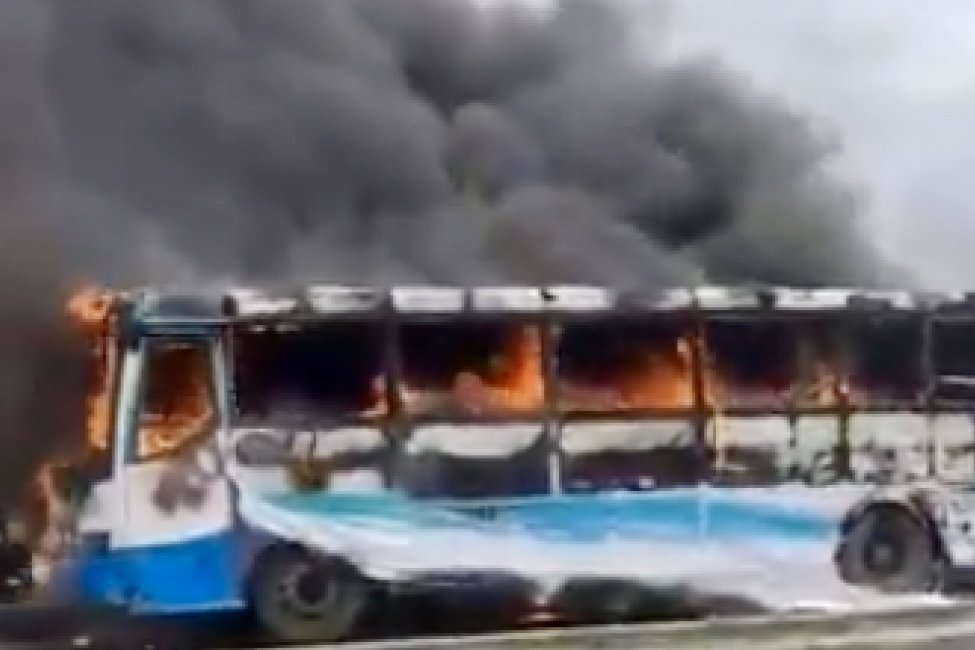
The attack on the Christ Apostolic Church at Oke Isegun in Eruku, Ekiti local government area of Kwara State, is an ugly echo of an ethno-religious crisis that has hardened into a criminal economy.
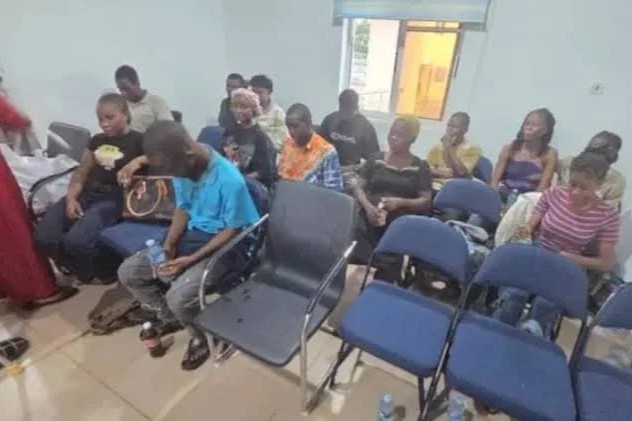
Local church officials and community leaders say scores of worshippers were seized during the evening service and that the captors have begun to call families from phones taken from the victims, demanding N100 million for every person in some of the groups.
Eyewitnesses and town elders say the abductors separated the captives into clusters and contacted relatives in stages. The secretary of the church described groups of victims being assigned individual ransom tallies.
The Olori Eta of Eruku told reporters he escaped through a window but that several members of his extended family were taken. Those family accounts align with local media reporting which puts the number of abducted worshippers at between 35 and 38 and confirms at least two fatalities during the raid.
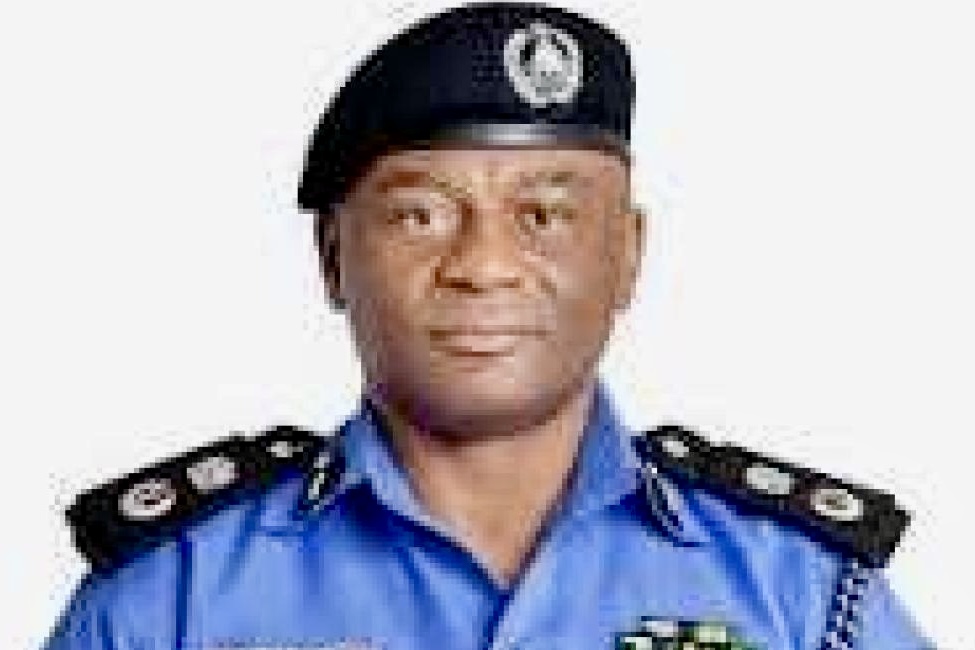
Security forces have reportedly been mobilised to the area and soldiers deployed after the governor visited the scene. Police spokespeople insist investigations and rescue operations are under way, though the state police command initially said it had not received a formal ransom report even as families confirmed calls.
The Kwara government closed schools in several districts as a precautionary measure following the attack and other recent incidents on the Kwara–Kogi axis. Such temporary measures are necessary but insufficient if the goal is to dismantle organised gangs that now treat mass abduction as a revenue stream.
To understand why an N100 million demand can even be contemplated, one must accept that kidnapping in Nigeria has reached industrial scale.
A recent SBM Intelligence study recorded 4,722 kidnapping victims across 997 incidents between July 2024 and June 2025 and noted ransom demands totalling about N48 billion while families paid roughly N2.57 billion.
That pattern underlines how profitable abduction has become for organised criminal/terror groups and how weakened enforcement and local protection have been exploited by these networks.
History shows the violence follows predictable phases. Kidnapping for ransom expanded in the northwest and central regions in the last half decade, then spread along transport corridors and border towns where policing is thin.
The Eruku attack falls into that pattern. It also illustrates the strategic choice by criminals to target soft civilian venues, notably places of worship, where congregations are predictable and often lightly guarded. The use of victims’ phones to call relatives is a familiar tactic designed to sow panic and extract rapid payments.
Policy responses must be clear and immediate. Tactical deployments and intelligence led rescues can save lives in the short term, but a long term strategy must be layered.
It should include sustained investment in community policing, forensic and telecom intelligence to trace ransom calls, financial disruption of the kidnap economy, and a political will to prosecute the organisers rather than only the foot soldiers.
The state and federal authorities also need to coordinate devolved assets along vulnerable borders and highway corridors. The present pattern shows ad hoc responses and short term closures do not deter the gangs.
For the families of those taken the immediate priority is recovery and safe return. For the nation the priority must be to ensure this does not become normalised.
When abductors can place an arbitrary N100 million price on a human life and expect calls to be answered, the state’s monopoly on legitimate use of force is being contested in the worst possible terms.
The authorities must sharpen intelligence, accelerate rescue operations and show the decisive leadership a crisis of this scale now requires.
Additional reporting by Suleiman Adamu
Follow us on our broadcast channels today!
- WhatsApp: https://whatsapp.com/channel/0029VawZ8TbDDmFT1a1Syg46
- Telegram: https://t.me/atlanticpostchannel
- Facebook: https://www.messenger.com/channel/atlanticpostng