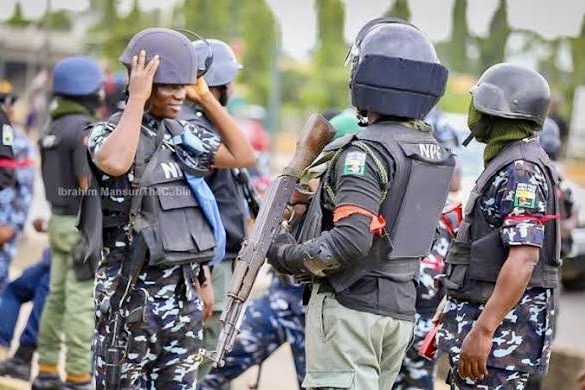
The pre-dawn serenity of Kano was shattered on 21 June 2025 when a suspected military‐grade mortar bomb detonated along the city’s Eastern Bypass, claiming five lives and wounding 15 others in a scene of carnage that underscores alarming lapses in the handling of explosive ordnance.
Victims, many of them unsuspecting civilians, were hurled into a desperate scramble for safety as burning debris littered the roadway.
How could a weapon of war be ferried through the heart of Nigeria’s most populous northern state with such devastating consequence?
Commissioner of Police Ibrahim Adamu Bakori concedes that preliminary findings point to a trailer load of military ordnance originating from Yobe State—“possibly carried by contractors or personnel inadequately trained in explosive safety,” he admitted.
Yet the public is left demanding answers: Who authorised this perilous transport, and why was oversight so egregiously lacking?
This tragedy is not an isolated anomaly. In June 2014, a blast ripped through Kano’s School of Hygiene, killing eight and injuring 20, when a militant‐style device exploded near students lining up for screening.
The 2014 attack, attributed to Boko Haram, highlighted the city’s vulnerability to both insurgent terror and accidental detonations.
Today’s mortar mishap reveals a frightening overlap between the chaos of conflict and the negligence of those tasked with securing explosive materials.
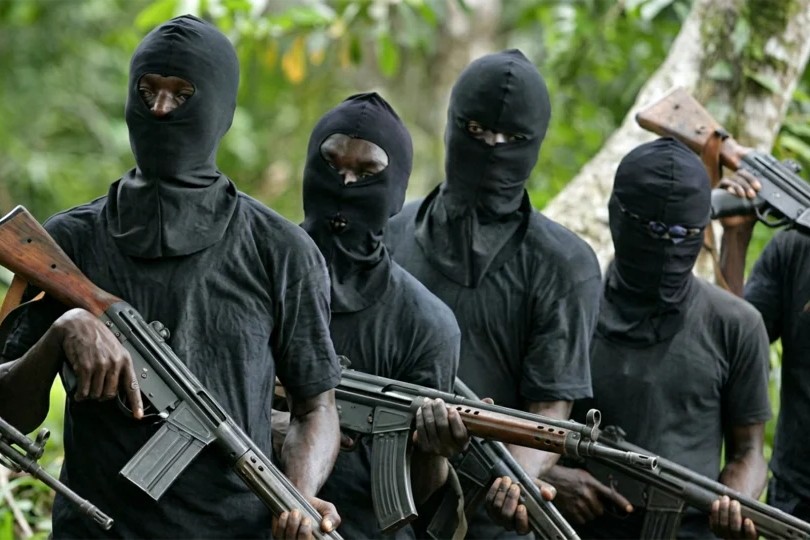
Beyond the human toll, the broader security context in northern Nigeria remains dire. Since 2009, the Boko Haram insurgency has claimed over 35,000 civilian lives and displaced more than two million people across the Lake Chad Basin.
The military’s hard‐fought gains against jihadist strongholds have done little to prevent deadly ordnance from slipping through logistical cracks, placing ordinary Nigerians squarely in the blast radius of both extremist violence and state failure.
What must happen to break this cycle of calamity? First, an immediate, transparent inquiry involving independent arms‐control experts is imperative.
Second, the army and relevant ministries must overhaul their chain of custody for explosives, enforcing strict vetting, real‐time tracking and civilian‐safe corridors.
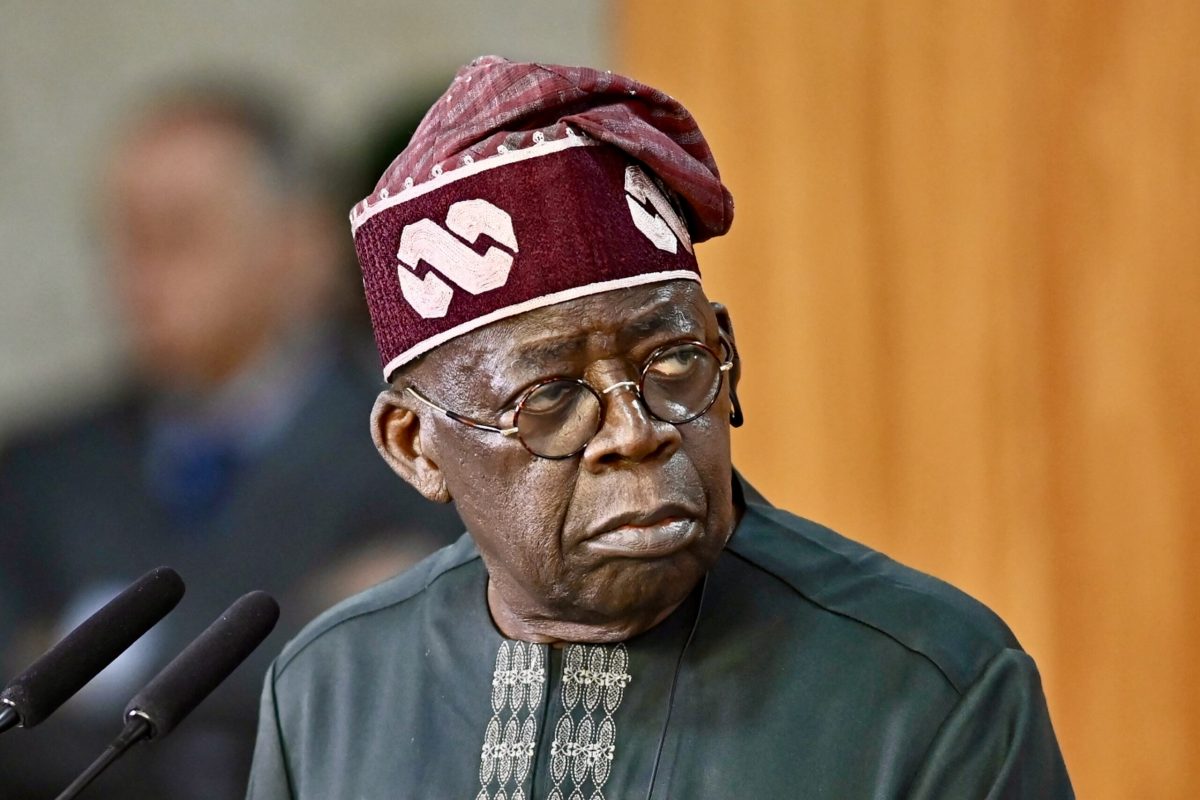
Finally, President Bola Tinubu’s administration must heed public outcry by empowering civilian oversight bodies to audit military logistics—lest more lives be consumed by the very weapons meant to defend them.
In an environment where the next explosion may be just hours away, Kano’s latest bloodshed stands as a clarion call: without urgent reform, Nigeria’s war on terror will be fought not just on distant battlefields, but on the streets where its citizens live and die.