Fintiri Distances Himself From Wike Expulsion as Damagum Faction Defies Court and BoT
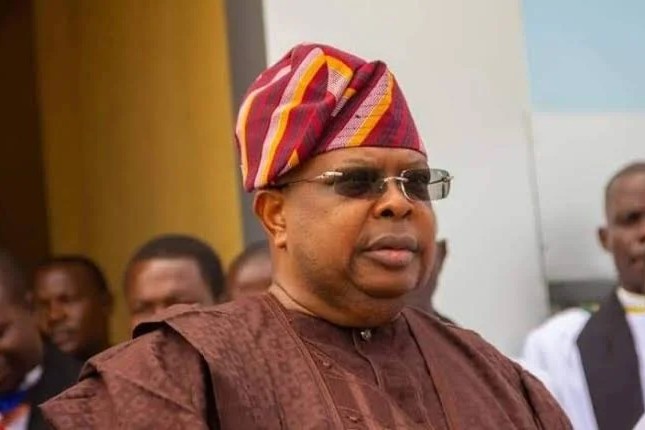
Adamawa State Governor Ahmadu Umaru Fintiri has publicly dissociated himself from the Peoples Democratic Party’s decision to expel the Honourable Minister of the Federal Capital Territory, Nyesom Wike. This development that underlines the widening schism within the opposition party.
The statement, issued through his office, was unequivocal. Governor Fintiri said he would not join any action that deepen the party’s divisions. He stressed his commitment to peace and reconciliation.
The dissociation arrives on the same day the party moved to expel at least 11 members for alleged anti-party activities. This is a punitive step. Some senior figures believe it will harden resistance rather than heal wounds.
Reports of the expulsions were carried widely across national outlets and reflect an escalation from procedural quarrels to membership sanctions.
Complicating the picture further, the Umar Damagum-led National Working Committee has signalled its readiness to proceed with an elective national convention. This decision is made despite competing court orders. They also proceed despite explicit warnings from the PDP Board of Trustees.
Court interventions have sought to restrain certain actions pending adjudication. Yet, the Damagum faction insists the convention will go ahead. Legal analysts say this posture risks contempt proceedings. It deepens institutional confusion inside the party.
The Board of Trustees has itself attempted to mediate the crisis. It recently established a reconciliation panel. This happened even as parts of the party move in opposite directions.
The BoT is concurrently organising a panel. The NWC is publicly disobeying them. This situation highlights a breakdown in the PDP’s internal chain of command. It raises questions over who now speaks for the party.
This pattern of factionalism is not new in the PDP. Observers note parallels with the period around the 2015 elections. At that time, internal disputes arose. The party could not manage elite disagreements. These issues contributed to its loss of the presidency and longer-term organisational decline.
Scholars of Nigerian party politics warn that punitive expulsions can accelerate fragmentation. Unilateral defiance of court orders has historically made this worse rather than produced durable unity.
For Governor Fintiri, the calculus appears straightforward and risk averse. By distancing himself from expulsions he positions himself as a steward of party unity rather than a partisan executioner.
His presence at convention activities aligned with Damagum. This alignment has prompted critics to question the sustainability of such neutrality. Can it be maintained without clearer institutional settlement?
The immediate questions for the PDP are legal and political.
Can a party enforce expulsions when its organs are issuing contradictory directives?
Will courts step in more forcefully to prevent a constitutional free-for-all?
And crucially, can a party that once governed from Aso Rock rebuild internal discipline? Can it do so without alienating the statesmen and governors it needs to stay a credible national alternative?
The coming days will test whether calls for reconciliation such as Fintiri’s translate into meaningful mediation. Alternatively, the current sequence of expulsions, defiance, and rival panels consign the PDP to another round of damaging internecine warfare.
Follow us on our broadcast channels today!
- WhatsApp: https://whatsapp.com/channel/0029VawZ8TbDDmFT1a1Syg46
- Telegram: https://t.me/atlanticpostchannel
- Facebook: https://www.messenger.com/channel/atlanticpostng