Taiwo Adebowale, Senior Business Correspondent
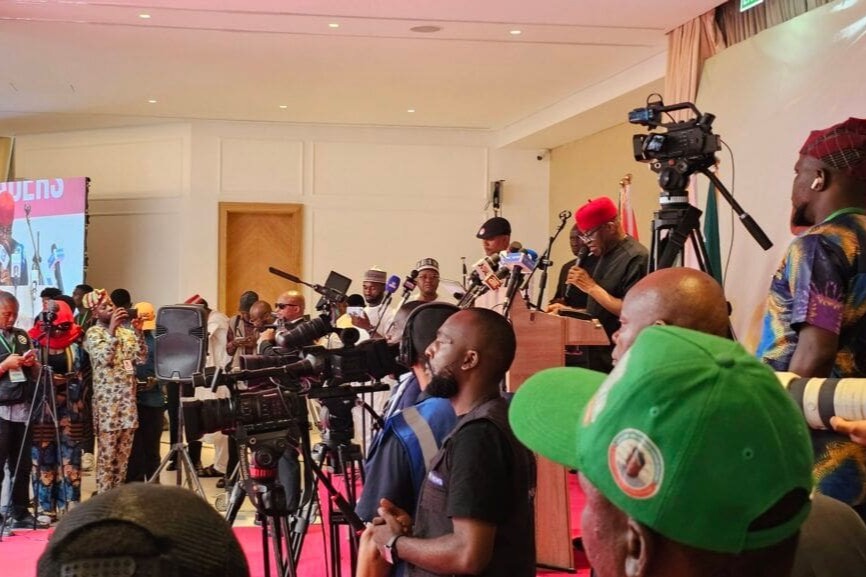
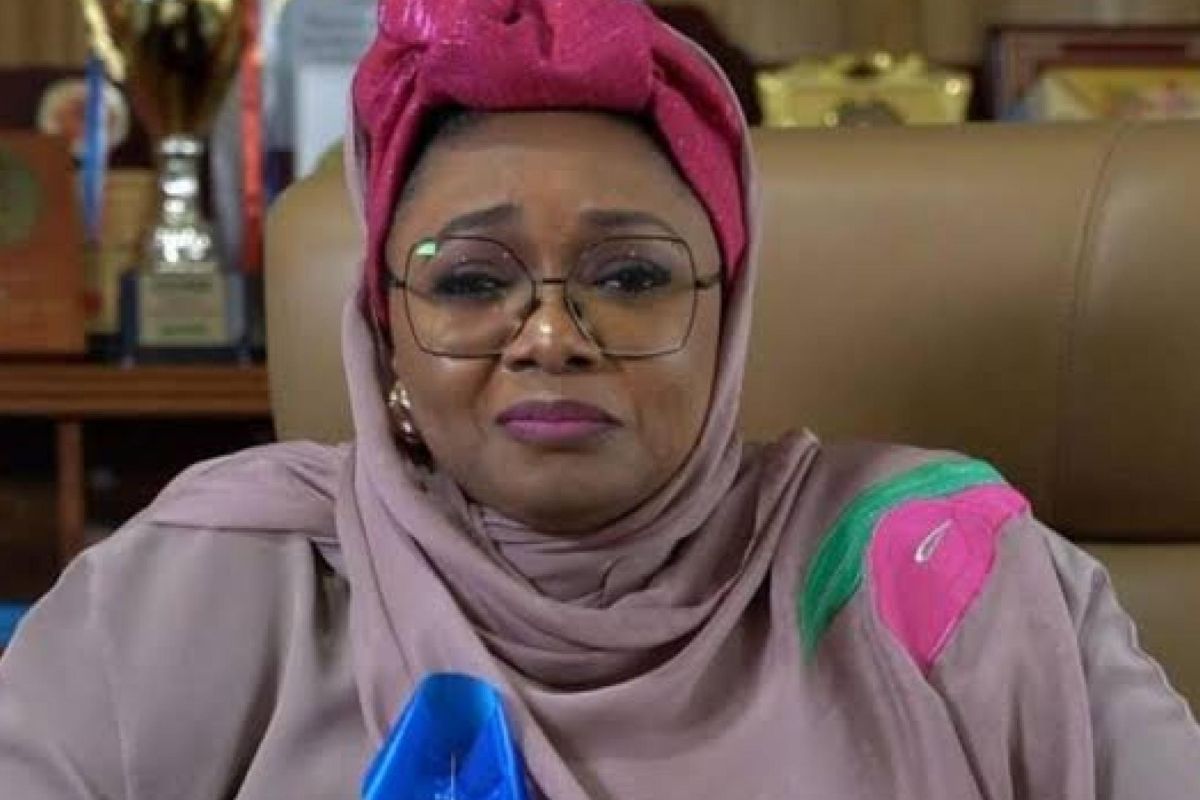
The Federal Government of Nigeria has declared a delay in the release of the highly anticipated N150 billion loan intended for manufacturers and micro, small, and medium-sized companies (MSMEs) at what can only be regarded as a pivotal juncture for the country’s economic destiny. The payment, which was once anticipated to provide the country’s faltering manufacturing sector a big boost, has now been delayed until September, leaving a large shadow on the already precarious economic situation. The announcement, which was verified by Dr. Doris Uzoka-Anite, Minister of Industry, Trade, and Investment, during a meeting with recipients in Calabar, Cross Rivers State, has caused a stir in the public and among industry players.

Nigeria’s Manufacturing and MSME Sector Suffers from the Delayed Disbursement
Considering Nigeria’s current economic struggles, the news of the delay is especially depressing. Numerous problems have been plaguing the nation, such as a high unemployment rate, rising inflation, and an erratic foreign exchange market. These difficulties have been placing a strain on the manufacturing sector, which is predicted to be a major engine of economic expansion and job creation. The N150 billion loan was viewed as a ray of hope and a vital intervention that would support sector stabilisation, encourage expansion, and eventually result in economic recovery.
The payment has now been rescheduled for September, and everyone is wondering if this would make the nation’s economic problems worse. There is uncertainty for manufacturers and MSMEs, many of whom have been operating on the verge of bankruptcy. Further financial strain, including layoffs, and even business closures for some could result from the delay. This might have significant effects on an economy that is largely dependent on the MSME sector, which accounts for roughly 48% of the national GDP.
Examining the Government’s Argument in More Detail: An Example of Misaligned Priorities?
In her speech, Dr. Uzoka-Anite made an effort to present the image of a government dedicated to the economic development of its citizens in Calabar. She gave an overview of the Presidential Loans and Grant Scheme’s accomplishments thus far, pointing out that 660,320 nanobeneficiaries—or more than 60% of the 1 million intended beneficiaries—have already gotten payments from Nigeria’s 774 local governments. She contended that this demonstrated the government’s dedication to reviving hope, mending lives, and restating its social compact with the people of Nigeria.
Although this story of advancement and dedication is admirable, it raises the issue of why the delay? How come the government is delaying a vital financial lifeline that may revolutionise the manufacturing and MSME sectors if it is genuinely dedicated to the economic empowerment of its citizens? It appears that the larger backdrop of Nigeria’s political and economic environment holds the key to the solution.
The mismatched priorities of the government may be the cause of the delay. There has been a discernible change in emphasis in recent months towards politically expedient measures, such grant and palliative distribution, which, while crucial, do not deal with the structural problems besetting the economy. On the other hand, the N150 billion loan is a long-term investment in the nation’s industrial foundation that might have a big impact on poverty, economic growth, and job creation. The government might be putting short-term political benefits ahead of the country’s long-term economic stability by delaying this payment.
The Financial Consequences: A Possible Trigger for Financial Collapse?
There may be major economic repercussions for Nigeria if the N150 billion loan is not disbursed on time. Financial help is desperately needed for the industrial sector, which has been in a state of collapse for some years. The sector shrank by 1.9% in the first quarter of 2024, according to the National Bureau of Statistics (NBS), which is the fifth consecutive quarter of negative growth. The N150 billion loan was expected to give these sectors a much-needed boost, helping to revive the manufacturing industry, stimulate economic activity, and create jobs; however, with the disbursement now delayed, there is a real risk that the economic situation could worsen. Businesses that were counting on the loan to expand their operations, invest in new equipment, or hire more workers may now be forced to scale back their plans, resulting in lower production levels, reduced employment, and slower economic growth.
The MSME sector, which is the backbone of the Nigerian economy, is also facing significant challenges. Many firms are finding it difficult to stay afloat due to a lack of access to finance, high production costs, and a challenging business environment.
Furthermore, the postponement may erode the trust that investors have in the Nigerian economy. The country’s economic diversification policy heavily relies on the manufacturing and MSME sectors, and any indication of instability or uncertainty in these areas may discourage investors from abroad as well as from within. This could therefore negatively affect the nation’s capacity to draw in desperately needed investment, escalating the nation’s economic problems.
The Political Repercussions: An Evaluation of the Credibility of the Tinubu Administration
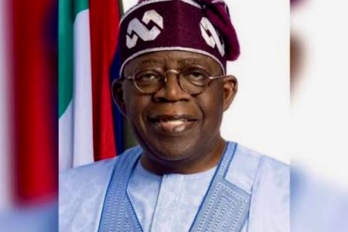
In addition to being a financial problem, the N150 billion loan delay presents a serious political obstacle for the Tinubu administration. President Bola Ahmed Tinubu, who assumed office in May 2023, has made the creation of jobs and economic empowerment the cornerstones of his administration’s agenda. One of the main initiatives of his economic program was the N150 billion loan, which was intended to support manufacturers and MSMEs financially and encourage economic growth.
However, the loan’s delayed disbursement raises questions about the administration’s commitment to its economic agenda and its ability to deliver on its promises, which could have serious political ramifications, especially as the administration comes under increasing pressure to address the nation’s economic challenges. Should the Tinubu administration be perceived as not fulfilling its economic commitments, it may lose the support of important stakeholders, including key stakeholders, such as the business community, labour unions, and the general public, may stop supporting the Tinubu administration if it is perceived as not living up to its economic promises.
Additionally, the postponement may serve to reinforce the notion that the government is incompetent and poorly run. The Nigerian people have grown more dubious of government assurances, especially in regards to economic issues. The N150 billion loan’s delayed disbursement may serve to confirm these opinions and erode public confidence in the government’s capacity to carry out its obligations and manage the economy.
The Function of Accountability and Transparency: A Governance Issue
During her speech, Dr. Uzoka-Anite underscored the government’s dedication to openness and responsibility in managing the Presidential Loans and Grants Scheme. With over 700,000 applications for the MSME loan, there are questions about the government’s ability to manage and distribute such a large amount of money. There’s a chance that the loan disbursement process will be tainted by inefficiencies, delays, or even corruption if proper oversight isn’t in place.
To allay these worries, the government needs to be more open about the reasons behind the delays and the measures it is taking to guarantee that the disbursement process is fair, efficient, and free of corruption. Some of the measures that the government is taking to address these concerns include regular updates on the loan disbursement status, publishing comprehensive reports on the selection and verification process, and interacting with civil society organisations to monitor the program’s implementation.
Second, actions need to be taken by the government to restore faith in its economic plan. This can entail being more open and communicative with stakeholders, giving regular updates on the loan disbursement process, and responding to any issues or critiques brought up by members of the public or industry stakeholders. It is recommended that the government carry out an impartial assessment of the loan disbursement procedure to guarantee that it is being administered effectively and openly.
Thirdly, the manufacturing and MSME sectors have larger structural issues that the government needs to solve. This can entail putting laws into place to lower operating expenses, increase financial accessibility, and foster an atmosphere that is more favourable to investment and expansion. The Nigerian government ought to think about offering targeted assistance to industries like manufacturing, services, and agriculture that have been most severely impacted by the economic crisis.
Nigeria’s Battle for Economic Stability in the Larger Economic Context
It is important to consider the N150 billion loan’s delayed disbursement in the larger context of Nigeria’s continuous fight for economic stability. In recent years, the nation has faced a number of economic difficulties, such as a sluggish economy, high unemployment, growing inflation, and a fluctuating foreign exchange market. External causes, such the COVID-19 pandemic, the global economic slump, and the ongoing conflict in Ukraine, have made these issues worse. These factors have disrupted global supply lines and increased the price of necessities.
In this regard, the N150 billion loan is a vital intervention that may aid in growth stimulation, job creation, and economic stabilisation. But the loan’s delayed disbursement raises concerns about the government’s capacity to run the economy and carry out its economic objectives.
The Tinubu administration has prioritised job creation and economic empowerment, but these efforts may be jeopardised by the loan’s delayed disbursement. The business community, labour unions, and the general public are among the important stakeholders whose support the government may lose if it is unable to fulfil its economic commitments.
Furthermore, the postponement may have wider consequences for the stability of Nigeria’s economy. The country’s economic diversification policy heavily relies on the manufacturing and MSME sectors, and any indication of instability or uncertainty in these areas may discourage investors from abroad as well as from within. This could therefore negatively affect the nation’s capacity to draw in desperately needed investment, escalating the nation’s economic problems.
Nigeria’s Economic Future is at a Critical Crossroads
A crucial turning point for Nigeria’s economic future is the N150 billion loan for manufacturers and MSMEs’ delayed disbursement. The loan is a vital part of the Tinubu administration’s economic program, a lifeline for the nation’s faltering industrial sector, and a possible engine for economic growth. But the delay begs grave questions about the government’s resolve to pursue its economic strategy, its competence to keep its word, and its ability to oversee the economy. The manufacturing and MSME sectors, investor confidence, and the nation’s overall economic stability may all be significantly impacted by the delay.
The administration needs to take action to allay these worries, regain public confidence in its economic program, and guarantee that the loan has the desired effect as it gets ready to transfer the funds in September. The government, business partners, and civil society organisations will need to work together on this.
Nigeria’s economy is at a turning point, and the choices taken in the upcoming months will have a significant effect on the destiny of the nation. The N150 billion loan offers a chance to boost growth, stabilise the economy, and generate employment. But the loan’s delayed delivery serves as a sobering reminder of the nation’s problems and the urgency of taking immediate action to solve them. The Tinubu administration needs to step up, give priority to the loan’s prompt and effective release, and start addressing the larger structural issues the economy is currently experiencing. It is essential to Nigeria’s economic future.