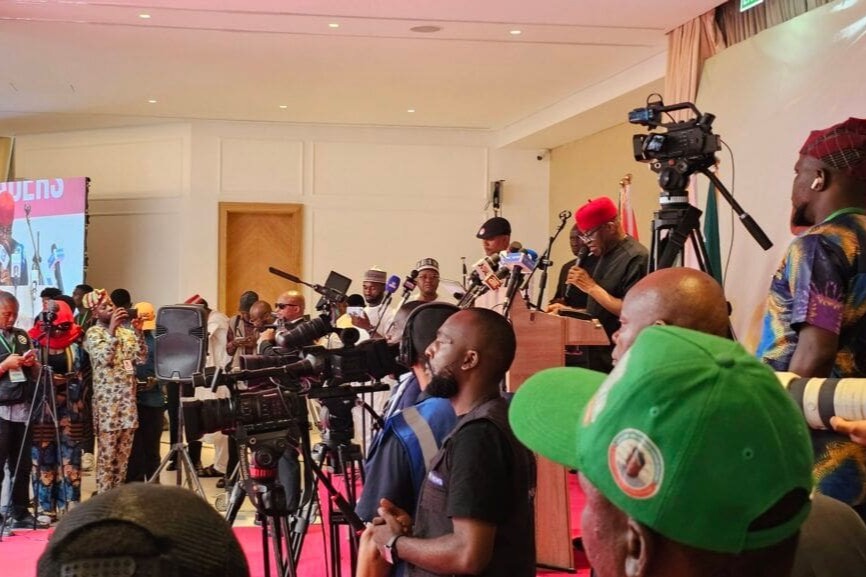
In a dramatic revelation during Civil Service Week in Abuja, the Federal Government, through the Office of the Head of Civil Service of the Federation (OHCSF), conceded that Nigeria’s existing healthcare policy for civil servants is “outdated” and urgently in need of a strategic overhaul.
Head of Service Didi Walson‑Jack underscored the necessity of regular medical screening—an initiative that exposed glaring weaknesses in the National Health Insurance Authority (NHIA) framework and ballooning drug costs that have left many public officers under‑insured and at risk of catastrophic health expenses.
The NHIA scheme, introduced to shelter Nigerians from crippling out‑of‑pocket payments, currently enrols fewer than 5 per cent of the population, with the vast majority of civil servants still financing care independently.
This paltry coverage persists despite government spending on health amounting to just 0.72 per cent of GDP in 2017—far below the World Health Organisation’s recommended minimum of 5 per cent.
Such neglect has translated into routine delays in drug availability, substandard clinic visits and, alarmingly, undiagnosed conditions among those who serve the nation.
During the free medical screening exercise, overseen by Permanent Secretary Patience Oyekunle, numerous cases of high blood pressure, hepatitis and typhoid emerged—conditions that civil servants had unknowingly harboured for months.
“Health is wealth,” Oyekunle proclaimed, lamenting that “our current policy framework was conceived in a different era; it no longer reflects the realities of skyrocketing pharmaceutical prices and stretched service delivery.”
Her blunt assessment revealed that many tests and treatments under the NHIA umbrella are now largely inaccessible to staff, forcing them to incur out‑of‑pocket expenses that erode morale and productivity.
Beneficiaries were vocal in their praise and concern. “I discovered my hypertension only because of this exercise,” admitted Eneh Benedict, who has since commenced medication with noticeable improvement.
Meanwhile, Azeez Champion lamented past irregular check‑ups that “claimed colleagues through preventable illnesses” and urged his peers to seize every opportunity for screening before it is too late.
Medical experts at the OHCSF Wellness Centre, led by Dr Longbap Dinfa, processed thousands of tests for malaria, diabetes and peptic ulcers in a single weekend.
Yet, the stark reality is that more complex cases are promptly shunted to the National Hospital—a costly referral route that the NHIA is ill‑equipped to subsidise.
With federal civil servants constituting the backbone of public administration, proponents argue that a reconfigured health policy must feature tiered benefit packages, subsidised drug procurement and a robust digital claims platform to eliminate bureaucratic bottlenecks.
As Didi Walson‑Jack prepares to convene policymakers and private sector partners, the clarion call is clear: without a bold, comprehensive review, Nigeria’s civil service risks being crippled by preventable ill‑health and systemic inefficiency.
The government’s next move will determine whether this exercise is a one‑off goodwill gesture—or the catalyst for a sweeping transformation of civil service healthcare in Nigeria.