The EFCC is investigating former Minister Uju Kennedy Ohanenye for allegedly misappropriating ₦138 million intended for women’s initiatives. Her questioning highlights broader issues of corruption in Nigeria’s governance. This scandal follows a ministerial reshuffle aimed at restoring public confidence and accountability, raising critical questions about government financial management.
ABUJA, Nigeria — In a scandal that has rocked Nigeria’s political and financial landscapes, the Economic and Financial Crimes Commission (EFCC) is grilling former Minister of Women Affairs, Uju Kennedy Ohanenye, over allegations of misappropriating and diverting public funds to the tune of ₦138,413,253.89.
The allegations centre on the 2023 budgeted allocation for the ministry, which, according to sources, was earmarked for developmental initiatives yet was allegedly misused for personal gain.
A Dazzling Display of Political Turbulence
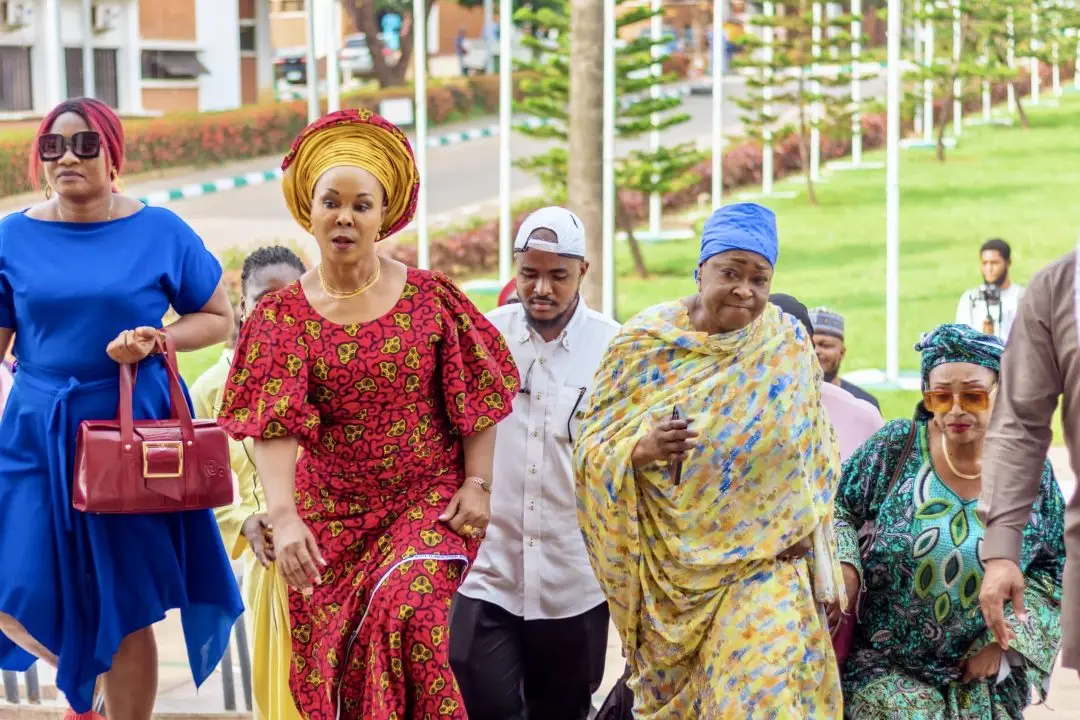
Eyewitnesses and informed insiders report that Ohanenye arrived at the EFCC headquarters at around 11 a.m. on Thursday, where she has since been subjected to intensive questioning by EFCC operatives.
The focus of the investigation is on serious breaches of procurement processes and a purported diversion of funds originally donated for the P-Bat Cares for Women Initiative—a project designed to bolster the welfare of Nigerian women through targeted developmental programmes.
The gravity of the case is underscored by the staggering sum involved, which not only implicates high-level government mismanagement but also highlights a broader issue of corruption that has long plagued Nigerian governance.
The Investigation Unfolds
A top source within the commission revealed to our correspondent, “Investigators are questioning former Minister Uju Kennedy Ohanenye over her alleged role in the misappropriation of ₦138m, where funds meant for a crucial women’s empowerment initiative were reportedly diverted for her personal enrichment.”
Such revelations have sent shockwaves through the corridors of power and among the public, reigniting debates about the integrity of governmental financial management.
With the EFCC known for its relentless pursuit of corruption, this latest development adds yet another chapter to a long history of financial malfeasance in Nigerian politics.
Political Ramifications and Ministerial Shake-Up
This episode comes on the heels of a dramatic ministerial reshuffle following the 19th Federal Executive Council meeting at the State House in October 2024.
Uju Ohanenye was among five ministers relieved of their duties in a bid by President Bola Tinubu to streamline the government’s portfolio and restore public confidence in state institutions.
In a swift turnaround, the President reappointed Imaan Suleiman-Ibrahim—the former Minister of State for Police Affairs—as the new Minister of Women Affairs, signalling a renewed emphasis on accountability and reform within the ministry.
The appointment of Suleiman-Ibrahim is being viewed as a strategic move by the administration to reinvigorate the Ministry of Women Affairs amid growing concerns over governance and fiscal management.
Critics, however, are quick to point out that the timing of this appointment coincides too neatly with the unfolding corruption probe into the mismanagement of funds, suggesting that the government is keen to distance itself from past failings while embarking on a course correction.
Broader Implications for Nigeria’s War on Corruption
The EFCC’s decision to publicly interrogate a former cabinet minister is emblematic of a broader commitment to the fight against corruption in Nigeria—a campaign that has seen numerous high-profile arrests and prosecutions over the years.
While some observers hail this move as a testament to the EFCC’s unyielding resolve, others warn that such cases may further destabilise public trust in government institutions if not handled with the requisite transparency and impartiality.
For the citizens of Nigeria, who have long borne the brunt of systemic corruption, this case offers a glimmer of hope. It reinforces the notion that no one, regardless of their political stature, is immune from scrutiny. Yet, the controversy also raises pressing questions about the mechanisms of accountability in government spending and the integrity of those entrusted with managing the nation’s resources.
What Lies Ahead?
As the EFCC continues its inquiry, the outcome of this case remains uncertain. The former minister’s legal representatives have yet to issue a statement, and efforts to secure comments from EFCC’s Head of Media and Publicity, Dele Oyewale, have so far proved abortive.
Nonetheless, the unfolding drama promises to be a watershed moment in Nigeria’s ongoing battle against corruption.
Political analysts suggest that the repercussions of this probe could ripple across the nation, potentially prompting further investigations into other ministries and sparking reforms aimed at restoring public trust in government operations.
In conclusion, the interrogation of Uju Kennedy Ohanenye by the EFCC is more than just another headline in Nigeria’s long saga of corruption scandals—it is a potent symbol of the nation’s determined fight to reclaim integrity in public office.
As the story develops, all eyes will be on the judiciary and the EFCC to ensure that justice is served, and that the misappropriated funds are accounted for in the quest to rebuild a system where transparency and accountability are paramount.
Atlantic Post will continue to provide in-depth analysis and up-to-date coverage as events unfold in this critical case of alleged financial malfeasance.