The 43rd Ordinary Meeting of ECOWAS Chiefs of Defence Staff in Abuja proposed creating a dedicated counter-terrorism brigade, driven by a collective commitment to enhance regional security against rising terrorism. This initiative reflects a shift towards integrated defence strategies, highlighting Nigeria’s leadership role and the need for unified efforts to tackle emerging threats effectively.
ABUJA, Nigeria — In a resounding display of unity and strategic foresight, the 43rd Ordinary Meeting of the ECOWAS Chiefs of Defence Staff in Abuja has culminated in a landmark proposal for the establishment of a dedicated ECOWAS counter-terrorism brigade.
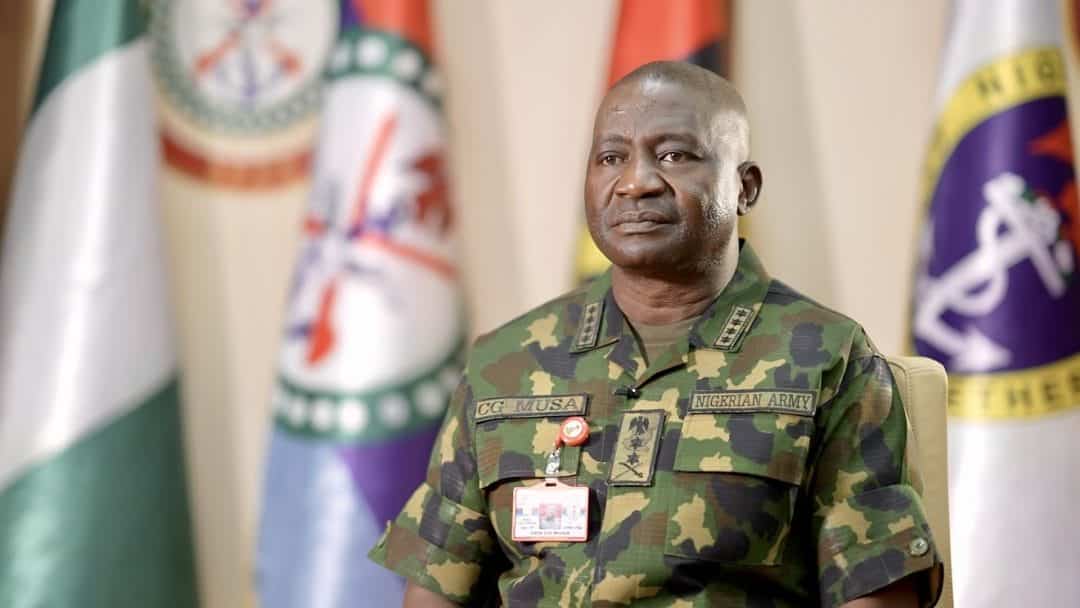
This ambitious plan, articulated by General Christopher Musa during the closing ceremony of the meeting, underscores a heightened urgency among West African nations to confront the escalating threat of terrorism and insecurity across the region.
A Bold Step Towards Collective Security
At the heart of the meeting, General Musa emphasised the critical importance of collective action.
“As we wrap up the 43rd Ordinary Meeting of the ECOWAS Committee of the Chiefs of Defence Staff, I am delighted to note that this meeting has been instrumental in solidifying our commitment to protect our people from harm and insecurity,” Musa declared.
His impassioned speech reflected a resolute determination among the defence leaders to pool resources, intelligence, and operational capabilities to establish a robust regional counter-terrorism force.
This proposed ECOWAS counter-terrorism brigade is not just a military initiative; it represents a strategic pivot towards integrated regional defence.
In a landscape marred by extremist violence, insurgencies, and porous borders, West Africa’s security apparatus is evolving from fragmented national approaches to a unified, community-focused defence strategy.
Musa’s remarks resonated with many delegates who recognised that only through synergistic action can the collective threat be effectively neutralised.
The Daunting Task Ahead
General Musa did not shy away from acknowledging the formidable challenges ahead.
“The task ahead of us is daunting,” he stated, yet he was quick to underline that the resolute commitment of the member states would be pivotal in overcoming these hurdles.
The meeting, attended by top defence officials from various ECOWAS countries and chaired by President Ahmed Bola Tinubu, highlighted a rare unity among nations often divided by political and ethnic differences.
The leaders unanimously agreed that in the face of rising security challenges, national interests must give way to the overarching goal of protecting the region’s populations from harm.
This sentiment is particularly significant for Nigeria, the host of the 43rd Ordinary Meeting in Abuja, which has long been at the frontline of battling terrorism.
Nigeria’s leadership in these discussions is a testament to its pivotal role in the regional security architecture. As the meeting drew to a close, General Musa’s words resonated deeply with participants: “With our collective resolve, we shall overcome.”
The Strategic Importance of a Regional Counter-Terrorism Force
The establishment of an ECOWAS counter-terrorism brigade comes at a time when the security landscape in West Africa is increasingly volatile.
The region has seen a surge in violent extremism, with insurgent groups exploiting porous borders and socioeconomic vulnerabilities.
By creating a unified military front, ECOWAS hopes to deter terrorist networks, disrupt their operations, and enhance rapid response capabilities to emerging threats.
General Musa also outlined the broader strategic initiatives discussed during the meeting. Key topics included:
Logistical Coordination: Presentation on the outcomes of the Governmental Experts Meeting regarding the ECOWAS Logistics Concept and the operational framework for the Logistics Depot in Lungi. This discussion is crucial for streamlining supply chains and ensuring that frontline units have rapid access to essential resources.
Peace Support Operations: The rotation of personnel within Peace Support Operation Divisions and the ECOWAS Standby Force was another pivotal point of discussion. This reorganisation aims to optimize resource allocation and response times during crisis situations.
Enhanced Intergovernmental Collaboration: The meeting reinforced the necessity for closer ties between the military establishments of the ECOWAS nations, recognising that no single state can combat terrorism in isolation.
A Sensational Shift in Regional Dynamics
The decision to propose a unified counter-terrorism brigade signals a sensational shift in the regional security paradigm.
For decades, West Africa has witnessed a fragmented approach to defence, with individual states grappling with their own security challenges.
However, the current administration of President Tinubu and the collective voice of the ECOWAS Chiefs of Defence Staff signify a transformative moment—one where collaboration takes precedence over isolation.
Critics of the current approach have long argued that piecemeal efforts are insufficient to counter the sophisticated, transnational nature of modern terrorism.
The ECOWAS initiative, by contrast, represents an integrated, all-encompassing strategy that not only addresses immediate security concerns but also sets the stage for long-term stability and prosperity in the region.
By consolidating military forces, sharing intelligence, and standardising operating procedures, West African nations are laying the groundwork for a new era of joint counter-terrorism operations.
Implications for Nigeria and Beyond
For Nigeria, the host of the 43rd Ordinary Meeting of the ECOWAS Chiefs of Defence Staff, this development is particularly poignant. The country has borne the brunt of terrorist activities and insurgencies over the past decades.
The move to establish a dedicated counter-terrorism brigade within the ECOWAS framework offers a glimmer of hope—not just for Nigeria but for the entire region grappling with similar challenges.
President Ahmed Bola Tinubu’s role in championing this cause has been instrumental. His leadership is viewed by many as a stabilising force in an increasingly volatile region.
His support underscores the imperative for collective action and signals to potential adversaries that West African states are united in their resolve to safeguard their citizens and territories.
A Future of Uncertain Security
While the proposal for an ECOWAS counter-terrorism brigade marks a significant strategic advancement, it is not without its challenges. The logistics of integrating diverse military doctrines, varying levels of technological advancement, and differing strategic priorities across ECOWAS countries present non-trivial obstacles.
Moreover, the current geopolitical climate, characterised by ever-evolving terror tactics and hybrid warfare, demands that the new brigade remains agile and well-resourced.
Nonetheless, proponents of the initiative argue that the potential benefits far outweigh the hurdles. A unified force could lead to more efficient intelligence sharing, rapid deployment capabilities, and a more formidable deterrent against terrorist factions.
This approach contrasts sharply with the fragmented strategies of the past and signals a bold shift towards proactive, collective security measures in West Africa.
Conclusion
General Musa’s announcement at the ECOWAS Chiefs of Defence Staff meeting heralds a new era in regional security collaboration.
As West African nations grapple with the grim realities of terrorism and unrest, the proposed counter-terrorism brigade stands as a beacon of hope and a decisive move towards uniting the region’s military might.
While the path ahead may be fraught with challenges, the unwavering commitment of ECOWAS leaders, buoyed by Nigeria’s resolute stance against terrorism, suggests that a safer, more secure West Africa could indeed be within reach.
This sensational and strategic initiative not only aims to dismantle extant terrorist networks but also aspires to establish a legacy of unity and resilience in the face of an ever-changing security landscape—a legacy that may well redefine the future of regional defence in West Africa.
- Additional report from Suleiman Adamu, Atlantic Post Senior National Security/Defence Correspondent