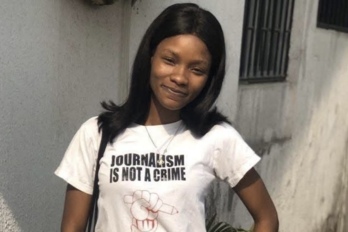
The Department of State Services (DSS) is under mounting criticism after releasing journalist Zainab Sodiq without charge but reportedly retaining four mobile phones, a drone and other electronic equipment used in her work.
The dispute has deepened concerns among press-freedom advocates, who say the case raises questions about due process, proportionality and the state’s treatment of journalists covering politically sensitive issues.
Sodiq’s detention first surfaced on 8 July, when reports said she had been held after travelling to recover a DJI Mavic Air 2 drone linked to Omoyele Sowore, the African Action Congress presidential candidate and rights activist whose activities she had been covering.
The DSS later confirmed holding her over alleged possession of an unauthorised drone, saying she was intercepted at Murtala Muhammed International Airport in Lagos on 6 July and could not produce the End User Certificate required under Nigerian regulations.
By Friday night, she had been freed without any formal charge, according to subsequent reports. Premium Times reported that Sowore said her release came after pressure from Nigerians, civil society groups and lawyers, while SaharaReporters said the DSS still had not returned her phones and other equipment.
According to Sowore, Sodiq was “free from the grip of repression”, a phrase that captured the tone of the wider backlash against the detention.
The continuing seizure of her devices has become the most contentious part of the episode. SaharaReporters said officials told Sodiq the items would not be returned unless she complied with further unspecified procedures, while the agency also claimed the drone had been illegally imported into Nigeria.
That position has not resolved the broader criticism that a journalist has been released, yet still faces what rights advocates describe as ongoing interference with her work.
Press-freedom groups and rights organisations have treated the case as part of a wider pattern. The Committee to Protect Journalists called on Nigerian authorities to stop harassing journalists and said it was “outrageous” that Sodiq had been denied due process, adding that security agencies should focus on “the real criminals”.
Amnesty International Nigeria called for her immediate and unconditional release, describing the detention as “a blatant abuse of power” and warning against the misuse of drone regulations to obstruct legitimate journalism.
The case has also drawn attention because of the broader security meaning of drones in Nigeria. Reuters reported earlier this year that Islamist militants linked to Islamic State West Africa Province (ISWAP) used armed drones in attacks on military targets in Borno State, describing the tactic as a significant escalation in the violence.
Reuters also reported that Nigerian forces have been pushing deeper into insurgent strongholds as part of a renewed offensive.
That security backdrop helps explain why the DSS says it takes drone possession seriously, but it does not resolve the civil-liberties questions now surrounding Sodiq’s case.
The central issue is whether a journalist can be detained, released without charge, and still be left without the tools used to do her job. For press-freedom advocates, that is the line that has been crossed.
Follow us on our broadcast channels today!
- WhatsApp: https://whatsapp.com/channel/0029VawZ8TbDDmFT1a1Syg46
- Telegram: https://t.me/atlanticpostchannel
- Facebook: https://www.messenger.com/channel/atlanticpostng