Uncover the causes, failures, and reforms needed after a tanker explosion kills 77 at Dikko Junction, sparking outrage over road safety in Nigeria.
On January 18, 2025, a catastrophic tanker explosion at Dikko Junction along the Abuja-Kaduna Expressway in Niger State resulted in the tragic loss of over 77 lives, with numerous others sustaining severe injuries. The incident has once again spotlighted the persistent challenges of road safety, regulatory enforcement, and the dire consequences of fuel scooping in Nigeria.

Uncover the causes, failures, and reforms needed after a tanker explosion kills 77 at Dikko Junction, sparking outrage over road safety in Nigeria. 
Uncover the causes, failures, and reforms needed after a tanker explosion kills 77 at Dikko Junction, sparking outrage over road safety in Nigeria. 
Uncover the causes, failures, and reforms needed after a tanker explosion kills 77 at Dikko Junction, sparking outrage over road safety in Nigeria. 
Uncover the causes, failures, and reforms needed after a tanker explosion kills 77 at Dikko Junction, sparking outrage over road safety in Nigeria. 
Uncover the causes, failures, and reforms needed after a tanker explosion kills 77 at Dikko Junction, sparking outrage over road safety in Nigeria.


The Tragic Incident: A Grim Repetition
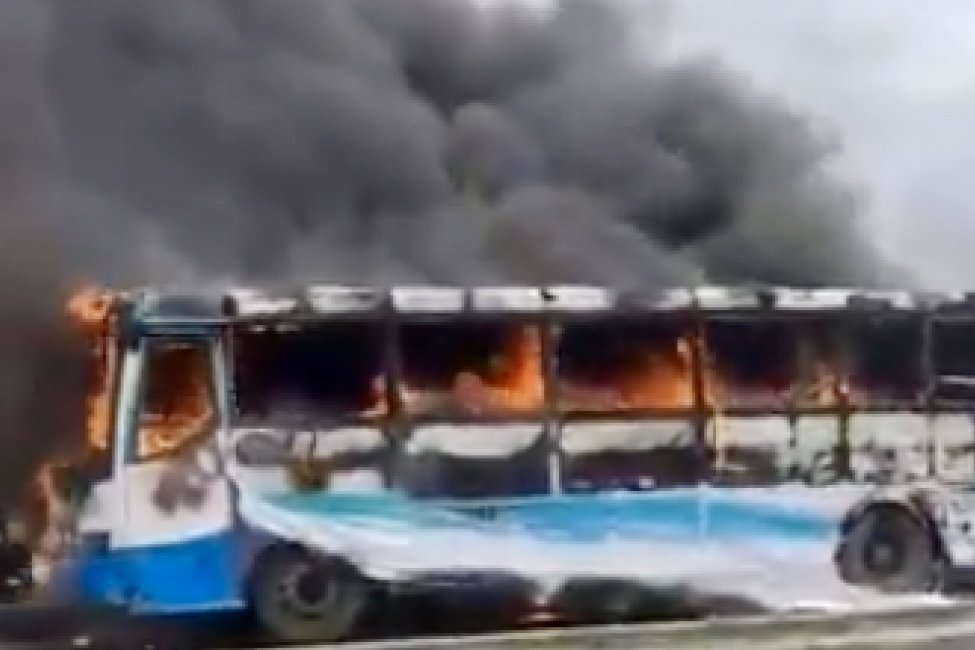
At approximately 10:00 a.m., a fuel tanker transporting approximately 60,000 litres of Premium Motor Spirit (PMS) overturned at Dikko Junction, a critical nexus connecting Nigeria’s federal capital, Abuja, to Kaduna. In the aftermath of the crash, local residents, including children, converged to collect the spilling fuel—a perilous practice that has, regrettably, become all too common in Nigeria. Tragically, the spilled fuel ignited, leading to a massive explosion that claimed at least 77 lives and inflicted injuries on 55 others.
Eyewitness accounts depict a harrowing scene. Ibrahim Suleiman, a resident of Dikko, recounted, “Suddenly, the tanker began to spill fuel and when people saw the fuel, they rushed to the fallen tanker to scoop the fuel. It was then I heard the explosion.” Another witness, Modestus, added, “Many people who came to scoop fuel from the fallen tanker lost their lives; they were more than 80.”
Official Responses: Condolences and Directives
In the wake of the disaster, the Inspector-General of Police (IGP), Kayode Adeolu Egbetokun, extended heartfelt condolences to the government and people of Niger State. Emphasising the critical importance of adhering to safety protocols, the IGP sternly warned against negligence and the blatant disregard for regulations that precipitate such catastrophic events.
IGP Egbetokun directed all State Commissioners of Police to bolster their Motor Traffic Divisions (MTDs) in collaboration with other traffic management agencies to ensure strict compliance with established protocols and traffic regulations on highways. Vehicle owners and drivers were urged to maintain roadworthy vehicles and adhere to traffic rules to avert future tragedies.
Niger State Governor, Mohammed Bago, visited the explosion site, expressing profound sorrow over the loss of lives. He described the incident as “worrisome, heartbreaking and unfortunate,” and announced a ban on heavy-duty trucks from plying the Dikko Bridge.
Vehicles from the Maje axis are now required to pass under the bridge and execute a U-turn. Governor Bago also called on the Federal Government to expedite the completion of the Minna-Suleja road, citing delays as contributory to the continuous loss of lives.
Recurring Tragedies: A National Concern
This incident is not an isolated case. In October 2024, over 170 people perished in a similar tanker explosion in Jigawa State. The Federal Road Safety Corps (FRSC) reported 1,531 fuel tanker accidents in 2020 alone, resulting in over 535 fatalities.
These statistics underscore a distressing pattern of recurrent tragedies linked to fuel transportation in Nigeria.
Root Causes: A Critical Analysis
Several factors contribute to the frequency of such disasters:
Negligence and Risky Behaviours: Despite extensive public sensitisation campaigns, individuals continue to engage in the perilous act of scooping fuel from compromised tankers. The National Emergency Management Agency (NEMA) condemned this behaviour, highlighting the recurrent tragedies associated with such risky actions.
Regulatory Lapses: The enforcement of safety protocols for fuel transportation remains inadequate. The Federal Fire Service has called on fuel station owners and tanker operators to address reckless driving by their drivers, especially on major roads and hazardous bends. Controller-General Abdulganiyu Jaji emphasised the urgent need for stringent safety protocols to prevent such preventable lapses.
Infrastructure Deficiencies: Dilapidated roads and incomplete infrastructure projects, such as the Minna-Suleja road, exacerbate the risk of accidents. Governor Bago’s appeal to the Federal Government to expedite road projects highlights the critical link between infrastructure and safety.
The Way Forward: Recommendations and Reforms
To mitigate the recurrence of such tragedies, a multifaceted approach is imperative:
Public Education: Intensify awareness campaigns to dissuade the public from engaging in fuel scooping. Highlighting the fatal consequences of such actions is crucial.
Regulatory Enforcement: Strengthen the capacity of regulatory bodies like the FRSC and Motor Traffic Divisions to enforce safety standards rigorously. Regular training and strict penalties for violations should be instituted.
Infrastructure Development: Accelerate the completion of critical road projects and maintain existing roads to reduce accident risks. Improved infrastructure will enhance overall safety for all road users.
Stakeholder Collaboration: Foster collaboration among government agencies, transport unions, and the public to cultivate a culture of safety and responsibility. Collective efforts are essential to effect meaningful change.
A Call to Action
The Dikko Junction tragedy serves as a sombre reminder of the urgent need for comprehensive reforms in Nigeria’s approach to fuel transportation and road safety. It is incumbent upon all stakeholders to prioritise safety, enforce regulations, and educate the public to prevent such avoidable losses in the future. The time for decisive action is now, to honour the memories of those lost and to safeguard the lives of all Nigerians.
The Aftermath: Outrage and Accountability
The Dikko Junction explosion has ignited widespread condemnation of systemic failures in Nigeria’s road safety protocols, with public outcry directed at both government agencies and private transport operators. Social media platforms have been flooded with graphic images of the aftermath, showing charred bodies and smouldering remains of vehicles and shops. The hashtag #DikkoTragedy has trended on X (formerly Twitter), with Nigerians demanding accountability and reforms.
Critics argue that the government’s response has been largely reactive, with little evidence of sustained preventive measures despite a history of similar incidents. A prominent road safety advocate, Maryam Bello, lamented, “For how long will Nigerians continue to die avoidable deaths due to negligence? This is not just a tragedy; it is a national failure.”
Fault Lines in Nigeria’s Energy Security
The explosion also highlights deeper issues within Nigeria’s energy supply chain. The country’s reliance on road transport for fuel distribution exacerbates the risks of such accidents. With pipelines frequently sabotaged or in disrepair, fuel tankers have become the primary means of moving petroleum products across the nation. This overreliance has turned highways into ticking time bombs, with tankers posing a dual threat to lives and infrastructure.
The National Union of Petroleum and Natural Gas Workers (NUPENG) has repeatedly warned against the dangers of using poorly maintained tankers and untrained drivers. However, enforcement remains weak, and profit motives often overshadow safety concerns.
A Systemic Problem: The Role of Corruption and Negligence
Road accidents involving fuel tankers are often linked to corruption and regulatory loopholes. Many tankers on Nigerian roads do not meet minimum safety standards, yet they continue to operate unchecked. Allegations of bribery within regulatory agencies, including the Federal Road Safety Corps (FRSC) and the Department of Petroleum Resources (DPR), have further undermined efforts to ensure compliance.
“There is no excuse for these tankers to be on the road without meeting safety requirements,” said road safety expert Dr. Femi Adegbite. “This is not just about negligence; it is about systemic corruption that prioritizes profits over human lives.”
Human Cost of Neglect: Stories of Loss and Grief
Among the victims of the Dikko Junction explosion was 12-year-old Musa Abdullahi, who had gone out to buy sweets when the tanker overturned. His mother, Halima, wept uncontrollably as she recounted how she had warned him to stay away from the scene. “I told him not to go, but he didn’t listen. Now I have lost my only child,” she said, her voice breaking.
Survivors described the explosion as a scene from hell. “I saw people running, screaming, and burning. It was like a horror movie,” said Yusuf Adamu, who escaped with minor burns.
The Role of Leadership: IGP Egbetokun’s Directives
Inspector-General of Police Kayode Egbetokun’s directive to strengthen Motor Traffic Divisions (MTDs) reflects an acknowledgment of the urgent need for reform. However, critics argue that similar directives in the past have yielded little tangible progress.
“It’s not enough to issue statements; we need action,” said human rights lawyer Aisha Salisu. “The IGP must ensure that his directives are followed through with measurable outcomes. Otherwise, this will be just another empty promise.”
Infrastructure and Policy Failures
The state of Nigeria’s roads remains a significant contributor to such tragedies. The Abuja-Kaduna Expressway, where the explosion occurred, has long been plagued by potholes, poor signage, and inadequate lighting. Efforts to rehabilitate the Minna-Suleja road, a critical alternative route, have been delayed for years, compounding the problem.
Experts argue that the government must prioritise the development of alternative fuel distribution methods, such as rail and pipelines, to reduce the reliance on road transport.
Global Comparisons: Lessons from Other Nations
Countries like Kenya and South Africa have implemented stricter regulations for fuel transportation, significantly reducing the frequency of tanker-related accidents.
Nigeria can learn from these examples by enforcing higher safety standards, mandating regular vehicle inspections, and imposing severe penalties for non-compliance.
The Need for Public Accountability
The Dikko Junction explosion underscores the need for public accountability. Citizens must demand transparency and hold both government officials and private operators responsible for lapses in safety.
Civil society organisations and the media have a critical role to play in driving this accountability.
Conclusion: A Defining Moment for Nigeria
The tanker explosion at Dikko Junction should serve as a wake-up call for Nigeria to address the systemic issues plaguing its road safety and energy distribution systems. This tragedy is not just a statistic; it is a stark reminder of the human cost of negligence and corruption.
The time for half-measures has passed. Nigeria must act decisively to prevent further loss of life and restore public confidence in its ability to protect its citizens. The memories of those lost at Dikko Junction demand nothing less.
Additional reports by Suleiman Adamu and Peter Jene
Atlantic Post Senior National Security and National Affairs Correspondents, respectively.