Boko Haram’s Dumba massacre exposes Nigeria’s governance and security failures. Explore the crisis, its root causes, and the urgent need for global action.
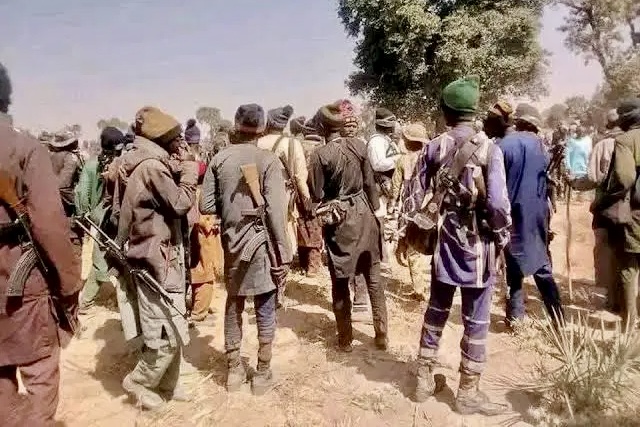
MAIDUGURI, Nigeria — In a harrowing incident that underscores the persistent threat of insurgency in Nigeria’s northeast, over 40 farmers and fishermen were brutally murdered by Boko Haram militants in Dumba community, near Baga, Borno State, on January 12, 2025. This atrocity has drawn widespread condemnation and highlights the urgent need for enhanced security measures and accountability.
The Dumba Massacre: A Grim Account
According to Amnesty International Nigeria, the assailants systematically rounded up the victims, segregated the men, and executed them at close range. Those who attempted to escape were relentlessly pursued and killed, leaving dozens injured. The search for bodies continues, with plans underway for a mass burial to honour the deceased.
This attack is not an isolated incident but part of a disturbing pattern of violence targeting civilians in the region. Since 2020, Boko Haram has intensified assaults on farmers and fishermen around Lake Chad, exacerbating the humanitarian crisis in northeast Nigeria. The United Nations reports that the ongoing conflict has displaced over 2 million people, creating a dire situation that demands immediate attention.
Official Responses and Condemnations
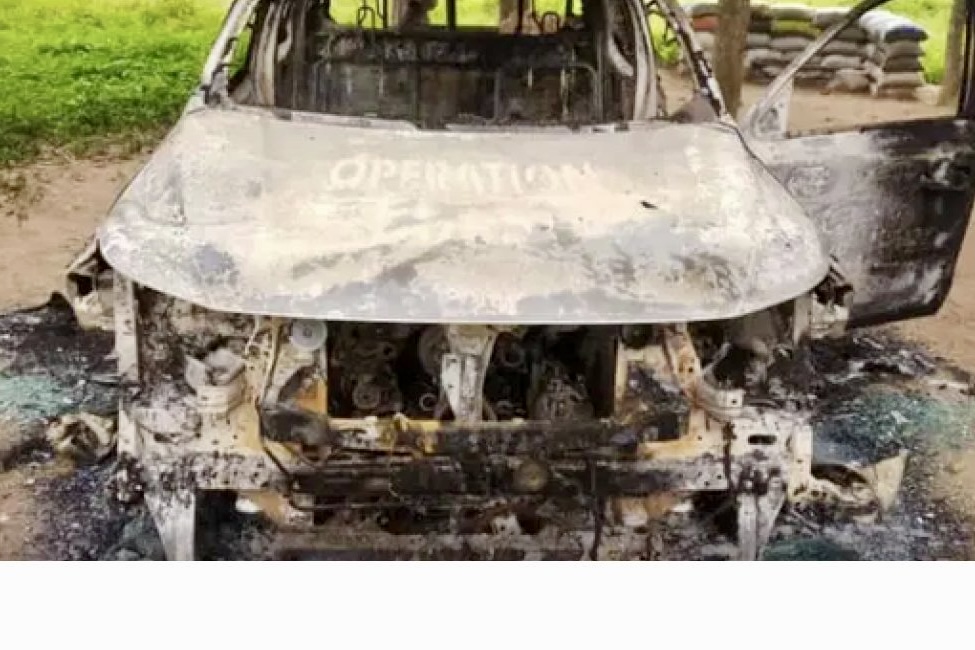
Borno State Governor, Professor Babagana Umara Zulum, expressed profound sorrow over the attack, extending condolences to the victims’ families. He emphasised the necessity for a thorough investigation and called upon the Nigerian military to intensify efforts under Operation Hadin Kai to track down and neutralise the insurgents operating in the Lake Chad region.
Governor Zulum also urged civilians to adhere to designated “safe zones” established by the government and security agencies to prevent further tragedies. He highlighted that venturing beyond these demarcated areas exposes individuals to potential terrorist attacks and landmines, underscoring the importance of remaining within secured perimeters for safety.
Amnesty International’s Stance
Isa Sanusi, Director of Amnesty International Nigeria, strongly condemned the executions, stating that they “once again show Boko Haram’s utter disregard for the sanctity of human life and for rules of international humanitarian law.” He asserted that Boko Haram must be held accountable for its years of atrocities, including war crimes, and called for enhanced protection of civilians and justice for the victims’ families.
The Broader Implications
The Dumba massacre is a stark reminder of the ongoing security challenges in Nigeria’s northeast. Despite efforts by the Nigerian military, including recent operations resulting in the elimination of 76 militants from Boko Haram and the Islamic State West Africa Province (ISWAP) in Borno State, the insurgency persists. Major-General Edward Buba reported that between January 7th and 13th, 2025, troops killed 24 fighters in Damboa, Bama, and Chibok areas, arrested 72 suspects, and rescued eight hostages. Weapons, including AK-47 rifles, grenades, and improvised explosive devices, were also recovered.
However, the continued attacks on civilians indicate that more comprehensive strategies are needed to address the root causes of the insurgency, protect vulnerable populations, and ensure that perpetrators are brought to justice. The international community’s support and a multifaceted approach involving military, socio-economic, and political solutions are crucial to achieving lasting peace in the region.
A Call to Action
The tragic events in Dumba community serve as a somber call to action for Nigerian authorities and the global community. It is imperative to strengthen security measures, uphold human rights, and implement sustainable solutions to end the cycle of violence perpetrated by Boko Haram and similar groups. Only through concerted efforts can the region hope to overcome the scourge of terrorism and rebuild the lives of those affected by this prolonged conflict.
This report is part of a three-batch series providing an in-depth analysis of the recent Boko Haram attack in Borno State. Stay tuned for the subsequent batches, which will delve deeper into the socio-political ramifications and potential solutions to this pressing issue.
In-Depth Analysis and Critique of Structural and Policy Issues
The massacre of over 40 farmers and fishermen in Dumba community by Boko Haram is not just a tragic episode but a glaring reflection of Nigeria’s broader challenges in governance, security, and human rights. This analysis delves into the structural and policy inadequacies that perpetuate the crisis, offering a critical lens on the socio-political and economic dynamics of northeast Nigeria.
The Persistent Failure of Counterinsurgency Strategies
Despite Nigeria’s years-long counterinsurgency efforts, exemplified by Operation Hadin Kai, Boko Haram remains a formidable threat. While the military often publicises tactical victories, such as the recent elimination of 76 militants, these successes are overshadowed by recurring attacks on civilians. The Dumba massacre underscores the inability of security forces to secure rural communities and prevent insurgent raids.
One critical flaw lies in the reactive nature of military operations. The Nigerian Armed Forces, despite their commendable efforts, are often more focused on retaliation than prevention. This approach leaves vast rural areas, like those around Lake Chad, vulnerable to insurgent attacks. The terrain itself—remote, porous, and difficult to patrol—compounds the problem. However, the absence of proactive intelligence gathering and community-based security frameworks exacerbates the crisis.
Governance Deficits and Local Vulnerabilities
At the heart of the crisis is a governance vacuum in Nigeria’s northeast. Decades of neglect, corruption, and underdevelopment have created a fertile ground for insurgency. Communities like Dumba are left to fend for themselves, with little to no infrastructure, healthcare, or economic opportunities. This neglect fuels resentment and alienation, conditions that extremist groups like Boko Haram exploit to recruit fighters and maintain influence.
The failure of local governance structures to provide basic services or engage with these communities has allowed Boko Haram to present itself as an alternative authority. Reports from defectors and survivors indicate that the group often coerces or entices locals into cooperation, using a mix of fear, propaganda, and promises of protection.
The Economic Angle: Why Farmers and Fishermen Are Targeted
Boko Haram’s repeated attacks on farmers and fishermen around Lake Chad highlight the economic dimensions of the insurgency. Agriculture and fishing are lifelines for millions in the region, and targeting these sectors cripples local economies and exacerbates food insecurity. By attacking farmers, Boko Haram disrupts food supply chains, undermines livelihoods, and deepens dependence on humanitarian aid.
Moreover, the Lake Chad Basin, once a thriving hub of economic activity, has been devastated by environmental degradation and conflict. The shrinking of Lake Chad has displaced thousands, forcing them into precarious livelihoods that make them easy targets for insurgents. Boko Haram’s strategy is clear: control these vulnerable populations by destroying their means of subsistence and leveraging their desperation for recruitment or forced labor.
Humanitarian Implications: A Cycle of Displacement and Suffering
The attack in Dumba is part of a broader humanitarian catastrophe that has displaced over 2 million people, according to the United Nations. Internally Displaced Persons (IDP) camps in Borno State are overcrowded, underfunded, and often unsafe. Amnesty International has documented cases where IDPs face sexual violence, extortion, and even attacks by insurgents.
The Nigerian government’s inability to provide adequate protection and support for these displaced populations is a glaring failure. Many IDPs remain trapped in a cycle of dependency, unable to return to their communities due to ongoing insecurity. This situation not only prolongs their suffering but also creates conditions for the perpetuation of violence and instability.
The Role of the International Community
While the Nigerian government bears primary responsibility for addressing the insurgency, the international community’s role cannot be overlooked. Over the years, donor countries and organisations have provided financial and logistical support, including training for Nigerian forces and humanitarian aid for affected populations. However, the lack of a coordinated and sustained approach has limited the impact of these efforts.
The global response to Boko Haram has often been reactive and fragmented, focusing on immediate relief rather than long-term solutions. For example, the Multinational Joint Task Force (MNJTF), comprising troops from Nigeria, Chad, Cameroon, and Niger, has achieved some successes but remains hampered by inadequate funding, poor coordination, and competing national interests.
Justice and Accountability: A Missing Element
One of the most damning aspects of the Boko Haram crisis is the lack of accountability for atrocities committed by all parties involved. Amnesty International has repeatedly highlighted war crimes and human rights violations not only by Boko Haram but also by the Nigerian military. Reports of extrajudicial killings, arbitrary detentions, and sexual violence by security forces undermine public trust and fuel grievances.
The absence of justice mechanisms for victims further compounds the problem. Families of those killed in attacks like the Dumba massacre rarely receive reparations or meaningful support. This lack of accountability creates a culture of impunity, where perpetrators—whether insurgents or state actors—operate without fear of consequences.
The Political Dimension: Leadership and Policy Failures
President Bola Ahmed Tinubu’s administration faces mounting pressure to address the security crisis in northeast Nigeria. While the president has made commitments to strengthen the military and address economic challenges, his government has yet to articulate a comprehensive strategy for tackling Boko Haram. Critics argue that the administration’s focus on macroeconomic reforms has diverted attention from urgent security needs.
Furthermore, local political dynamics in Borno State complicate efforts to combat insurgency. Allegations of corruption, political patronage, and the mismanagement of security funds have undermined trust in the government’s ability to protect its citizens. These issues highlight the need for a transparent, accountable, and inclusive approach to governance in the region.
A Call for Holistic Solutions
To break the cycle of violence, Nigeria must adopt a multifaceted approach that goes beyond military solutions. This includes investing in education, healthcare, and infrastructure in affected regions, as well as addressing the root causes of insurgency, such as poverty, inequality, and political exclusion. International partners must also play their part by supporting these initiatives and holding the Nigerian government accountable for its commitments.
The Dumba massacre is not just a tragedy but a wake-up call for Nigeria and the world. It is a stark reminder that the human cost of inaction is too high and that urgent, coordinated efforts are needed to end the scourge of Boko Haram and rebuild the lives of those affected by its reign of terror.
Pathways to Peace and Lessons from Global Conflict Zones

Strengthening Community Resilience
Rebuilding communities affected by Boko Haram’s reign of terror requires more than military intervention. Civil society organisations and local leaders must play a pivotal role in fostering trust and rebuilding social cohesion. Programs aimed at providing psychosocial support to survivors, such as trauma counselling and community dialogues, can help heal deep-seated wounds and mitigate the risk of radicalisation.
Additionally, empowering communities through education and economic opportunities is essential. Schools must be rebuilt, with a focus on providing security for both students and teachers. Agricultural projects, microfinance initiatives, and vocational training programs can help restore livelihoods and reduce dependency on humanitarian aid.
Reinventing Counterinsurgency: Lessons from Other Regions
Nigeria can draw valuable lessons from other countries that have faced insurgencies. For instance, Colombia’s peace process with FARC insurgents emphasised reintegration programs for former combatants, rural development, and truth commissions to address historical grievances. Similarly, the Philippines’ resolution of its conflict with the Moro Islamic Liberation Front involved granting significant political autonomy and economic incentives to affected regions.
Adopting these approaches in Nigeria requires political will and an understanding that military might alone cannot eliminate the root causes of insurgency. A national dialogue involving all stakeholders—communities, civil society, and even rehabilitated members of Boko Haram—could pave the way for sustainable peace.
The Role of Technology in Combating Insurgency
Leveraging technology can also bolster Nigeria’s efforts against Boko Haram. Drones, satellite imagery, and artificial intelligence-powered analytics can improve surveillance and intelligence gathering. Social media platforms can be used to counter extremist propaganda and promote narratives of peace and unity.
However, the government must ensure that these tools are used responsibly and do not lead to human rights violations, such as unlawful surveillance or censorship. Transparency and accountability are key to maintaining public trust in the use of technology for counterinsurgency.
International Collaboration and Advocacy
The international community must adopt a proactive stance in addressing the crisis in northeast Nigeria. This includes not only providing financial and logistical support but also pressuring the Nigerian government to uphold human rights and accountability. Regional cooperation through bodies like the African Union (AU) and the Economic Community of West African States (ECOWAS) should also be prioritised.
Furthermore, global campaigns led by organisations such as Amnesty International can amplify the voices of victims and survivors, ensuring their experiences are not overlooked. Advocacy efforts must highlight the urgent need for reparations and justice for affected families.
A Vision for Lasting Peace
Ending the insurgency in northeast Nigeria requires a holistic approach that combines military action, socio-economic development, and justice for victims. The Dumba massacre serves as a grim reminder that inaction is not an option. A united effort by the government, civil society, and international partners can break the cycle of violence, providing a glimmer of hope for communities devastated by years of conflict.
As Amnesty International’s Director Isa Sanusi aptly stated, Boko Haram’s atrocities reflect utter disregard for human life and international humanitarian law. It is now up to Nigeria and the global community to ensure that such tragedies are consigned to history.
Additional reports by: Suleiman Adamu and Peter Jene
Atlantic Post Senior National Security and National Affairs Correspondents, respectively.