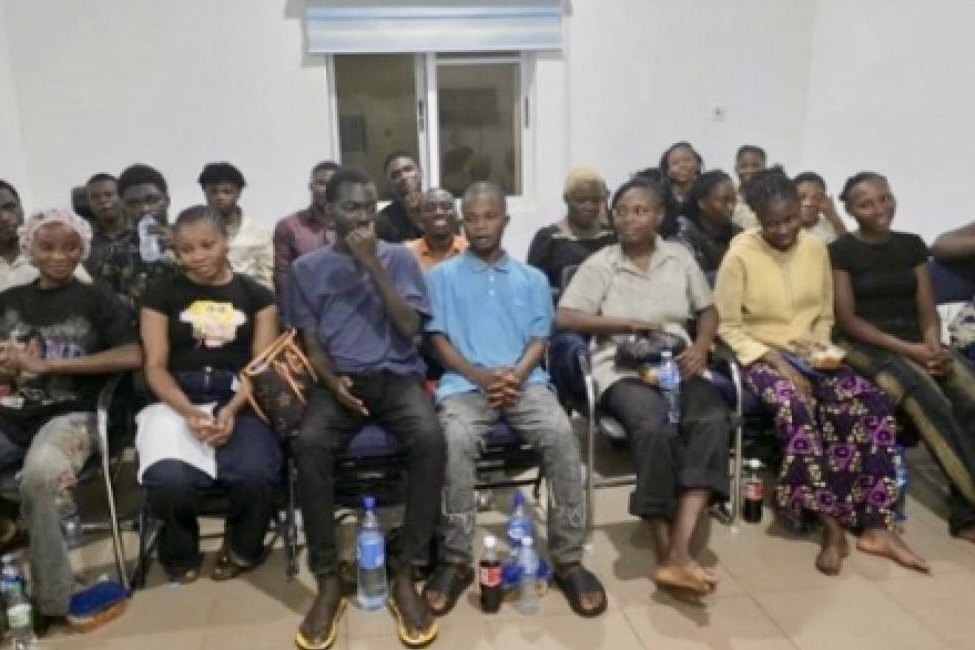
A farmer was beheaded on his own land in Okporojo Idima Oso Edda on Tuesday August 26 in an attack residents blame on fighters from neighbouring Amasiri.
Witness accounts say the assailants removed the victim’s head as a trophy in a brutal escalation that has reopened deep wounds from renewed hostilities earlier this year.
The killing comes only months after a wave of violence in April when at least four people including a pregnant woman and her 12 year old son were killed and homes and assets worth millions of naira razed.
The April assaults shattered the fragile mobility of locals who began avoiding the Amasiri road and routing journeys through Afikpo to stay safe.
Locals say successive administrations produced committees and even a white paper to settle the contested boundary but implementation stalled, leaving grievances to calcify into vigilante action.
Community leaders now view the state government peace initiative as undercut by the failure to demobilise armed groups and enforce rulings on land tenure.
This pattern fits a wider Nigerian trend where boundary and farmland disputes escalate when land records are unclear and poverty sharpens incentives for violent appropriation.
Studies of communal violence show that where formal dispute resolution stalls the risk of cyclical reprisals rises sharply.
The Okporojo case underlines how failure to implement committee recommendations converts legal remedies into rhetorical gestures.
Security responses so far have been reactive. Local officials confirm deployment of security operatives after the April attacks but residents complain patrols are intermittent and that armed groups still move with impunity between bush paths linking Amasiri and Oso Edda.
Without sustained intelligence led operations and community based reconciliation the risk is clear the violence will metastasise.
What must happen now? A credible, time bound implementation of the earlier committee white paper backed by properly resourced local peace teams and a combined security presence.
State actors must pair enforcement with land title clarification and rapid compensation for victims to undercut the grievance economy that feeds militia recruitment.
Regional partners and civil society should monitor delivery to ensure promises translate into protection not mere pronouncements.
As investigators, we will continue to gather names witnesses and any available forensic evidence and to press for official comment from the Ministry of Border Peace and Conflict Resolution and the Ebonyi State Government.
The people of Oso Edda deserve more than condolences. They need a plan that ends cycles of revenge and restores safe access to their farms.
Follow us on our broadcast channels today!
- WhatsApp: https://whatsapp.com/channel/0029VawZ8TbDDmFT1a1Syg46
- Telegram: https://t.me/atlanticpostchannel
- Facebook: https://www.messenger.com/channel/atlanticpostng