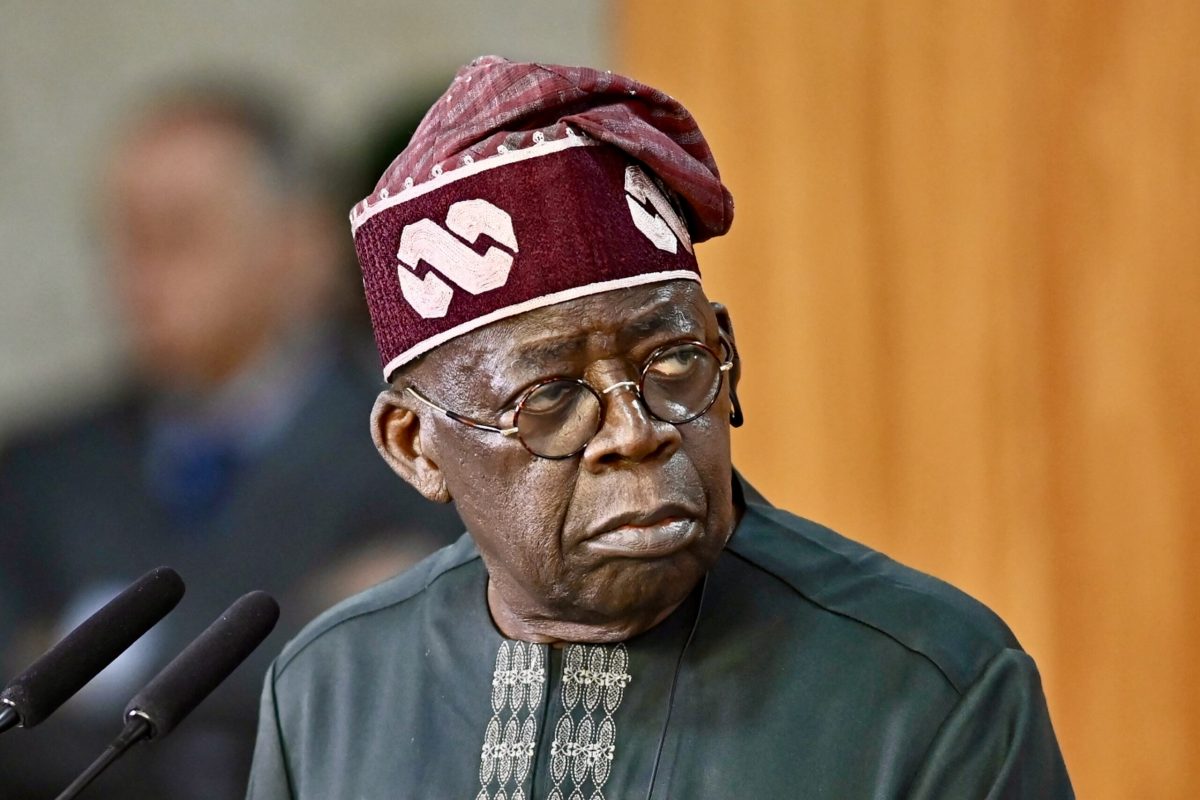
In a fiery exchange of words, Mazi Paul Ibe, Media Adviser to former Vice President Atiku Abubakar, took aim at the Presidency’s defence of President Bola Tinubu’s economic policies.
In a statement he issued on Tuesday to counter the Presidency’s response to his principal, Mazi Ibe offered a point-by-point rebuttal in which he accused the administration of failure. The scathing critique unfolds below:
Key Points:
Better Policy Options:
Ibe asserted that Atiku provided superior policy alternatives in his presidential bid, citing the comprehensive document, “My Covenant With Nigerians,” which outlines a roadmap for socio-political and economic transformation.
Economic Stimulus Fund:
Atiku’s foresight, according to Ibe, led to the pledge of a $10 billion Economic Stimulus Fund to support MSMEs, anticipating the fallout from subsidy withdrawal. In contrast, Tinubu’s N125 billion offer is criticized.
Social Investment Programs:
Ibe accuses Tinubu’s officials of misappropriating funds allocated for Conditional Cash Transfers (CCTs), while Atiku pledged a robust social investment program targeting the poor and vulnerable.
Private Sector Challenges:
The exit of major companies from Nigeria, including Unilever, GSK, and others, is attributed to Tinubu’s failure to address foreign exchange complexities and security concerns.
Intensified Cost of Living:
Official statistics from the National Bureau of Statistics are cited to counter Bayo Onanuga’s denial of intensified cost-of-living pressures, highlighting soaring inflation rates and citizens blocking roads in protest.
Presidency’s Blame Game:
Ibe accuses the Presidency of engaging in a familiar blame game, pointing fingers at the opposition and external factors for Nigeria’s economic woes. Tinubu’s leadership failures are cited as a significant factor in the country’s challenges.
Unprepared Leadership:
Tinubu is labeled as unprepared, slow to react, and accused of lacking foresight. Ibe argues that the government’s failure is evident in economic, social, political, and security challenges that continue to worsen.
The verbal clash reveals the intensity of the political disagreement between the top two political figures in Nigeria, with accusations of economic mismanagement and leadership failures at the forefront. As the political rhetoric over economic management and leadership intensifies further, Nigerians are left to grapple with the impact on their daily lives.