Youth, Anger and the Missing Seats — How Nigeria’s Youngest Generation Was Heard and Then Shut Out
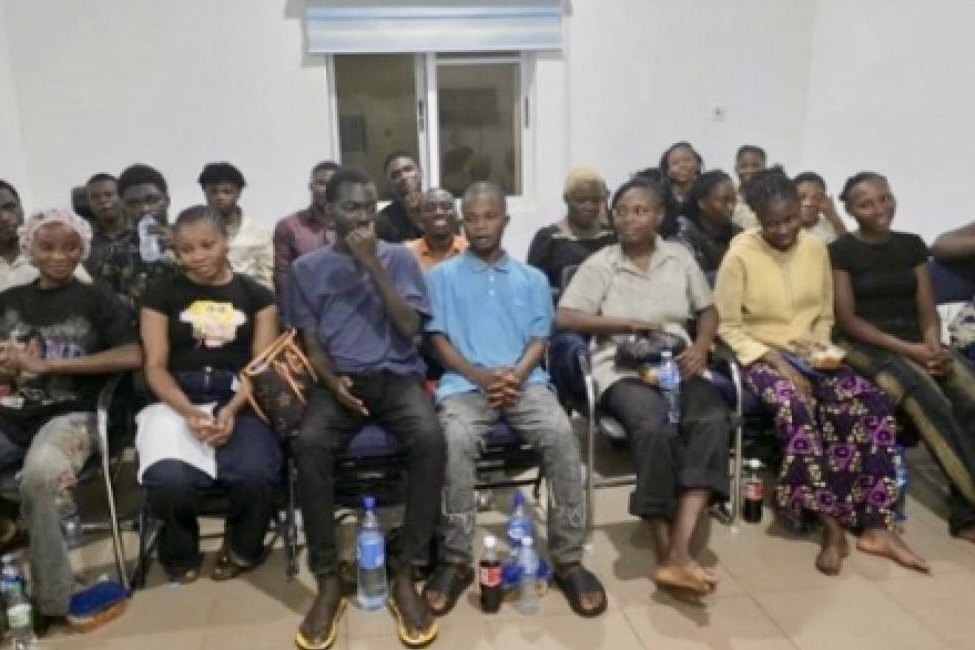
Ken Henshaw laid it out in Port Harcourt. At a community engagement on governance and human rights he argued that Nigeria carries a youth majority yet continues to run gerontocratic politics. The speech read like an inventory of broken promises and blocked pathways. Youths flood the streets and fill timelines but they are largely absent from the halls of power. Henshaw warned that unless parties, the state and civic actors change course the gulf will widen and instability will follow.
Nigeria’s demographic reality is stark. Gen Z and Millennials together now constitute more than half of the population while Gen Alpha alone is reported as the single largest generational cohort. That bulge is not a cultural talking point. It is an economic and political fact. If institutions adapted, it would reconfigure power relations across the federation.
Yet visibility has not translated into seats. Independent National Electoral Commission figures showed a record registration of roughly 37 million voters aged 18 to 34 for the 2023 cycle. That should have created leverage for younger candidates. Instead entrenched party finance, opaque candidate selection and patronage networks have filtered youth energy out of legislative chambers. Henshaw emphasised that youth is not a monolith. Differences of class, gender, ethnicity and region shape who can access space and authority.
Not Too Young To Run changed the law but not the system. The 2018 reform lowered formal age limits for many offices, a legislative victory long celebrated by campaigners. The problem since has been the political economy of nomination. Party bosses prefer financiers and elders who can mobilise resources. Nomination fees and campaign costs effectively set candidacy as a commodity. Until finance and internal party democracy are reformed the lower age thresholds will remain symbolic.
The 2020 #EndSARS uprising made the stakes visible. What began as a hashtag and local protests over police extortion and brutality grew into a nationwide movement demanding systemic change. The most searing moment was the shooting of peaceful protesters at the Lekki Toll Gate on 20 October 2020. Rights organisations and international investigators documented the killing of protesters and the subsequent attempts to silence testimony. The protests underlined two truths. Young people can organise fast and at scale. The state and security apparatus retain coercive tools to blunt that power.
Named interviews
Ken Henshaw Executive Director, We The People
“Henshaw told the Port Harcourt audience that youth identity is diverse and that development programmes must be place based. He called on political parties to stop treating young people as foot soldiers and to start building ladders — financing windows, training, and guaranteed spaces on lists. ‘If you want youth to govern you must give them ladders not slogans,’ he said.”
Aisha Yesufu Activist and public figure
Aisha Yesufu has been an unmistakable voice during and after #EndSARS. In public remarks she reminded Nigerians that the movement was about survival and accountability not a passing trend. ‘We are citizens, we are not slaves,’ she told supporters while reflecting on the Lekki events and the wider struggle for police reform. Her continuing calls for accountability highlight the emotional and moral gravity of the protests.
Rinu Oduala Youth organiser and former #EndSARS convener
Rinu Oduala emerged as a frontline organiser in 2020. In interviews at the time she defended the legitimacy of the protests and spoke about the challenges organisers faced including surveillance and harassment. Her on-the-ground testimony illustrates that the movement was led by ordinary young Nigerians who mobilised resources and volunteers at short notice.
Professor Ifeanyi Okoye Political sociologist
“Professor Okoye told this paper that the mismatch between demographic weight and political representation is a structural problem. He pointed to party finance, clientelism and weak civic education as the chief barriers. ‘Law alone does not dismantle patronage networks,’ he said. ‘You change incentives and you change outcomes.’”
Why the law failed to deliver
The Not Too Young To Run Act removed formal age thresholds but did not dismantle the gatekeepers that matter most. Party elites use nomination rules, indirect costs and informal sanctions to favour established operators. Henshaw and others argue for three practical fixes. First, cap or subsidise nomination and primary costs so aspiring candidates with demonstrated community support are not priced out. Second, legislate internal party democracy including transparent primaries and enforceable quotas for youth and women. Third, invest in civic infrastructure that teaches not just how to vote but how to run, govern and be accountable.
The policing question
#EndSARS began as a demand to end policing predatory practices. SARS had been formed in 1992 to fight violent crime but evolved into a unit accused of extortion, torture, arbitrary arrest and extrajudicial killings. Despite repeated promises to reform, the protests exposed deep institutional rot. Investigations and panels across states produced findings but few prosecutions and little systemic reform. Without meaningful accountability the security sector remains a hazard to civic life and to the trust that would underpin democratic renewal.
Digital organising and digital repression
Social media created new organising possibilities. The decentralised structure of #EndSARS was partly possible because activists used Twitter, Instagram and encrypted channels to coordinate. That visibility alarmed the state. In June 2021 the government suspended Twitter operations in Nigeria and broadcasters were instructed to sever ties with the platform. The suspension, and earlier freezes of protest organisers’ bank accounts, showed that digital mobilisation can be countered by a mix of regulation and economic pressure. Protecting civic space online must be part of any youth engagement strategy.
Port Harcourt as a case study
Rivers State is a microcosm of the paradox Henshaw described. Oil wealth sits beside urban poverty. Youth unemployment and frustration are visible on every street. Henshaw argued that local interventions — vocational training, micro financing, targeted civic education and police oversight — can have outsized impact when they are place based and led by local actors. National programmes must complement not replace community level work.
A path to inclusion
Henshaw’s prescription is pragmatic. Lower formal barriers to candidacy further by guaranteeing funded youth slots on party lists. Enforce internal party primaries and financial transparency. Create state supported incubators for young candidates that offer training, seed campaign funds and mentoring by former MPs who meet strict accountability standards. Strengthen judicial follow through on police abuses so victims see justice not just reports. Protect digital organising and roll back censorship that seeks to convert civic debate into criminality.
Timeline of #EndSARS for CMS
• 2017 — Early activism and hashtags calling attention to police abuses traceable to SARS. Social media begins to document cases of extortion and brutality.
• 7 October 2020 — Renewed nationwide protests begin after viral accounts of police abuses. Young organisers, largely decentralised, lead local sit-outs.
• 10–20 October 2020 — Protests spread to major cities including Lagos, Abuja, Port Harcourt and Owerri. Women’s groups and feminist coalitions play major roles in logistics and fundraising.
• 20 October 2020 — Security forces open fire on peaceful protesters at the Lekki Toll Gate in Lagos. International rights groups document killings and call for investigations.
• Late October–December 2020 — State judicial panels established across many states to investigate abuses and recommend reparations. Prosecutions are limited and many activists report harassment.
• June 2021 — Federal government suspends Twitter operations in Nigeria amid tensions over online criticism and platform moderation. The move is widely condemned as censorship.
Suggested pull quotes
• “If you want youth to govern you must give them ladders not slogans.” — Ken Henshaw.
• “We are citizens, we are not slaves.” — Aisha Yesufu.
• “Not Too Young To Run changed the law but not the gatekeepers.” — Professor Ifeanyi Okoye.
• “Digital power without legal protection is fragile.” — Port Harcourt youth organiser.
Closing note
Ken Henshaw left Port Harcourt with a simple demand. Treat youth as stakeholders not as instruments. The law can open doors but power will not yield until the economics and culture of parties change. Convert the energy of Gen Z and millennials into sustainable representation and Nigeria will gain not only new leaders but stability and renewed public trust. Fail to do so and the risk is clear — a demographic majority that feels permanently excluded will look for other outlets to be heard.
Follow us on our broadcast channels today!
- WhatsApp: https://whatsapp.com/channel/0029VawZ8TbDDmFT1a1Syg46
- Telegram: https://t.me/atlanticpostchannel
- Facebook: https://www.messenger.com/channel/atlanticpostng