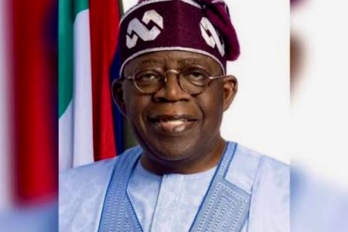
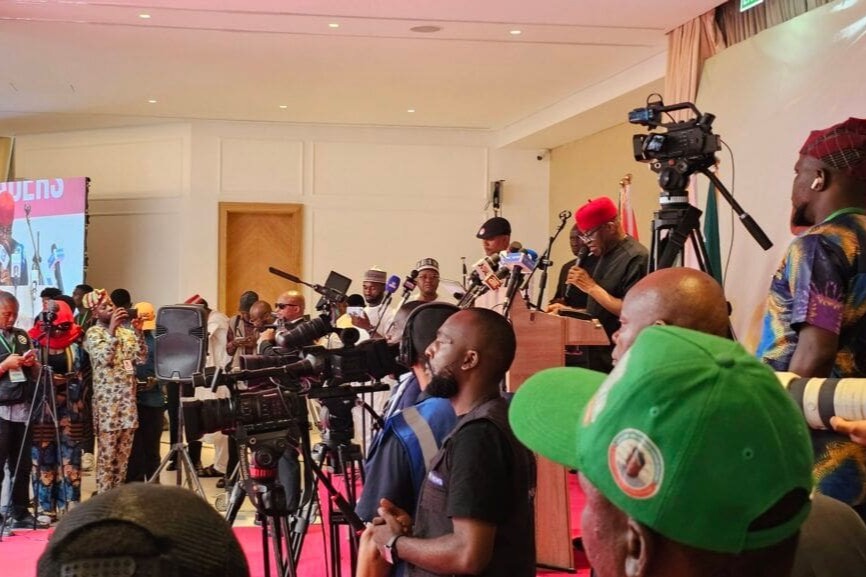
Nyesom Wike, the Minister of the Federal Capital Territory, has told journalists that he will appear in court to give evidence in the trial of Indigenous People of Biafra leader Nnamdi Kanu if and when a court formally subpoenas him.
Wike commented during his monthly media chat. He spoke after learning that Kanu had listed him among 23 proposed defence witnesses. Wike stressed that he has not been served with any court papers. Being named in a newspaper does not make one a witness.
Kanu filed a motion with the Federal High Court in Abuja. He informed the court that he would open his defence. He also intended to call 23 witnesses. The list named several high profile figures including former service chiefs and sitting governors. The move followed a court ruling allowing Kanu to begin his defence after the prosecution had closed its case.
The wider context sharpens the stakes. Kanu faces terrorism and related charges. These charges date back to his disappearance from Nigeria in 2017. He later reappeared and was arrested in Kenya. Then, he was returned to Nigeria.
The case has faced questions about the circumstances of his rendition. It has also faced prolonged legal battles over jurisdiction and bail. The matter has attracted sustained national attention because of its political sensitivity and potential to inflame tensions in the southeast.
Wike’s public refusal to be drawn by press reports reflects a cautious posture that balances ministerial duty and legal compulsion. By law a subpoena compels attendance and refusal can expose a witness to contempt proceedings.
For a sitting minister overseeing the Federal Capital, an appearance in such a polarising trial would be politically charged. It is likely to be treated as newsworthy in its own right.
Journalists and legal analysts will watch closely. They will observe if the defence seeks formal process to obtain the testimony of senior figures it has nominated.
Beyond personalities the case raises structural questions about evidence and procedure in high profile terrorism trials in Nigeria.
Observers note the judiciary has repeatedly had to mediate medical claims. They have also dealt with procedural delays and jurisdictional challenges. All this occurs while trying to keep public confidence in due process.
The court’s management of witness lists sets precedents. This includes lists that feature active and former national figures. Such actions suggest how politics and high court proceedings intersect in volatile cases.
For now, Wike’s remark narrows to a simple legal point. He will obey a court order. He has not been served, so he is not obliged to respond to press lists alone.
That answer preserves a ministerial neutral stance. It leaves open the real possibility that the court will invite him to testify sooner or later. This depends on whether Kanu proceeds with the witnesses he has named.
Follow us on our broadcast channels today!
- WhatsApp: https://whatsapp.com/channel/0029VawZ8TbDDmFT1a1Syg46
- Telegram: https://t.me/atlanticpostchannel
- Facebook: https://www.messenger.com/channel/atlanticpostng